
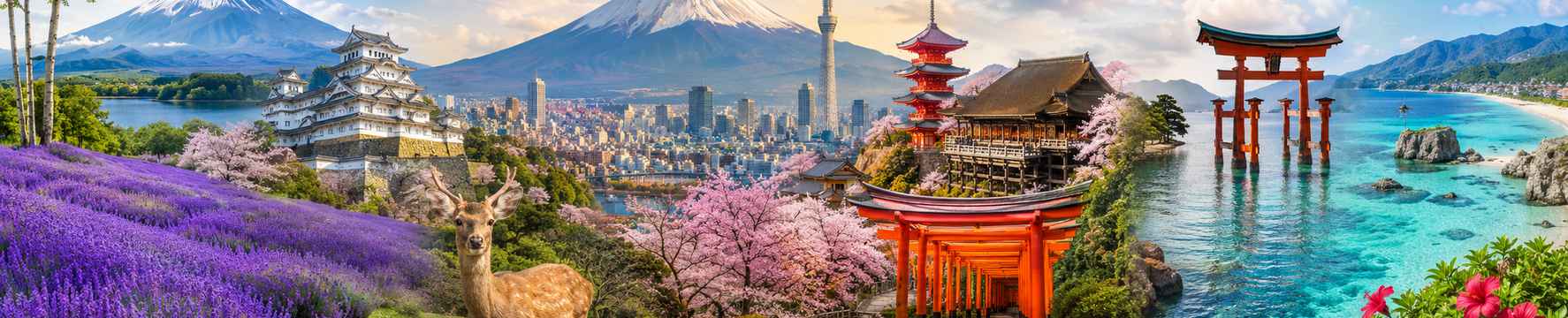
Discover the best ryokans in Japan, where timeless hospitality, regional cuisine and natural hot springs shape one of the country’s most traditional stays. From Kyoto’s temple districts and Hakone’s mountain onsen to Hokkaido’s wild landscapes, Kyushu’s volcanic springs and the quiet valleys of Chubu and Tohoku, ryokans offer very different atmospheres across each region. With excellent rail connections between major cities, countryside towns and historic resort areas, Japan suits travelers seeking private baths, seasonal kaiseki dining, cultural immersion, scenic escapes and a slower, more authentic way to experience the country.
236 ryokan(s) shown out of 1869 in this region.
9.1
2,924 reviews
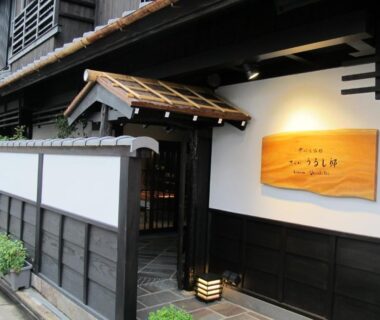
Kyomachiya Ryokan Sakura Urushitei
This Kyoto stay suits travelers who want a central base with a polished machiya-inspired feel rather than a fully traditional luxury ryokan expe…
9.1
3,087 reviews
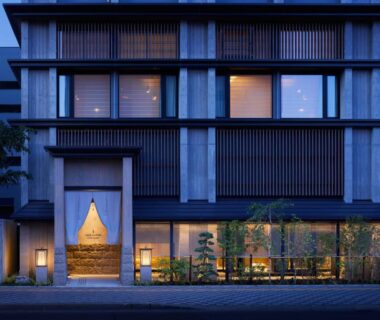
ONSEN RYOKAN Yuen Sapporo
A stylish city ryokan in central Sapporo that stands out for its atmospheric design, Hokkaido-focused dining, and genuine hot spring bath experi…
9.1
270 reviews
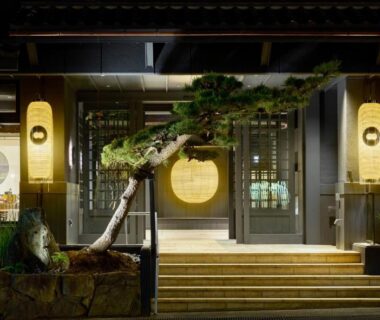
Oyado Kotobuki, Yumura Onsen
A distinctive modernized ryokan in Yumura Onsen that is especially appealing if you value restorative sleep, thoughtful wellness touches, and a…
9.1
125 reviews
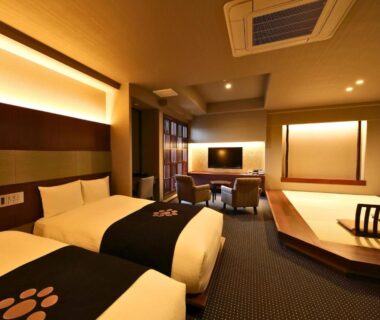
Ryotei Matsuya Honkan Suizenji
A strong pick for travelers who want a traditional-style stay beside Suizenji Garden rather than a generic city hotel. It is better suited to gu…
9.1
14 reviews
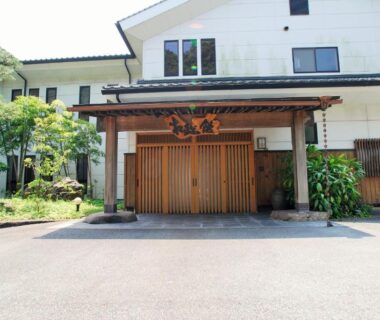
Shokinkan
This is a small seaside ryokan in Matsuai, Uki, focused on fresh local seafood and a quiet stay rather than resort-style facilities. It suits tr…
9.1
55 reviews
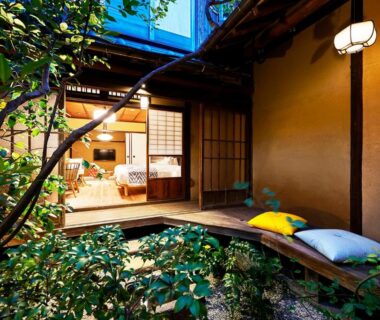
Tomonoura Shiomachi Hotel
A strong pick for travelers who want a character-rich stay inside Tomonoura rather than a standard hotel room. It suits guests who value heritag…
9.1
574 reviews
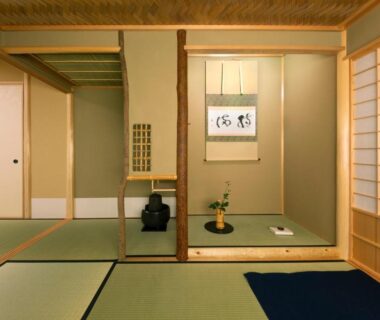
Towa Ryokan
A well-located Kyoto ryokan near Kyoto Station that offers a more traditional stay with strong food options and cultural touches. It suits trave…
9.1
4 reviews
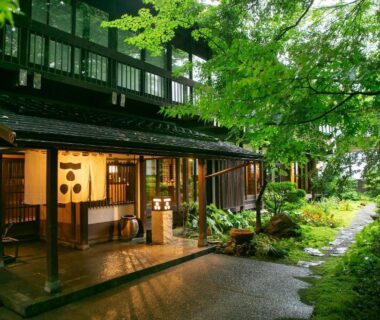
Wadaya, cuisine de poissons de rivière et plantes de montagne
Wadaya is a small culinary ryokan in Sannomiyamachi, Hakusan, best suited to travelers who want a quiet, food-centered stay beside a major shrin…
9.1
1,439 reviews
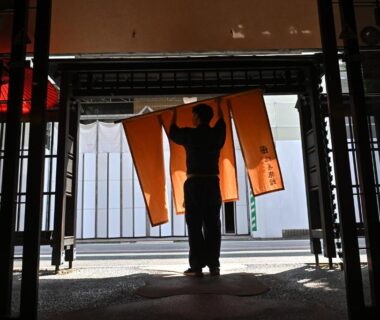
Watazen Ryokan – Established in 1830
A long-running Kyoto ryokan in a very practical downtown location, Watazen suits travelers who want traditional tatami lodging without giving up…
9.1
132 reviews
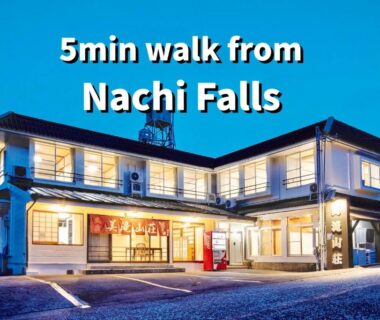
民宿美滝山荘 Mitaki Sanso Traditional Minshuku near the Kumano Kodo, just 5 Minutes from Nachi Falls and Nachi Taisha Shrine
A very strategic pick for travelers who want to experience Nachi Falls and Kumano Nachi Taisha at dawn or after day-trippers leave. It suits hik…
9.1
760 reviews
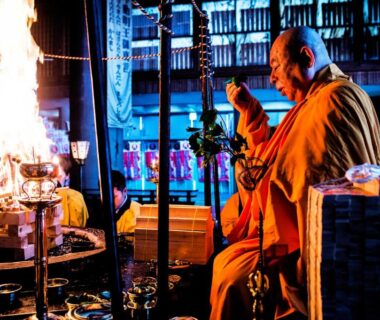
清浄心院 -Shojo Shin-in-
A strong pick for travelers who want a temple stay in Koyasan with real spiritual atmosphere, daily rituals, and a more historically distinguish…
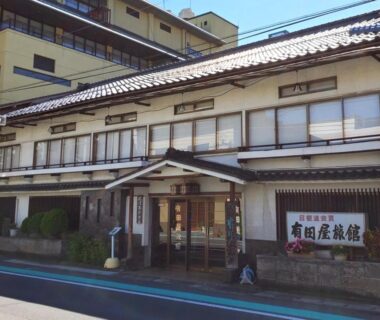
9.0
41 reviews
Aritaya Ryokan
This is a small, traditional ryokan in Kamiyamada Onsen, Chikuma, suited to travelers who want a quiet local onsen stay rather than a polished l…
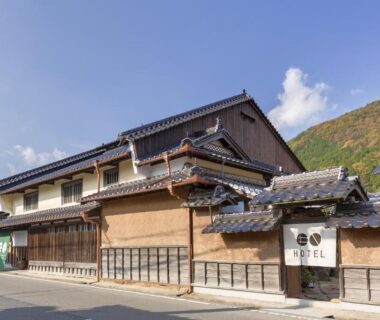
9.0
156 reviews
EN Takeda Castle Town Hotel
A distinctive heritage stay in Asago that stands out for its restored sake-brewery setting, atmospheric design, and easy access to Takeda Castle…
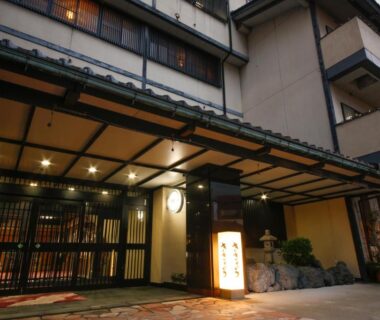
9.0
21 reviews
Hokuriku Yamashiro Onsen Hotel Kikyou
This is a small onsen ryokan in Yamashiro Onsen, Kaga, best suited to travelers who value kaiseki-style dining, a traditional tatami stay, and a…
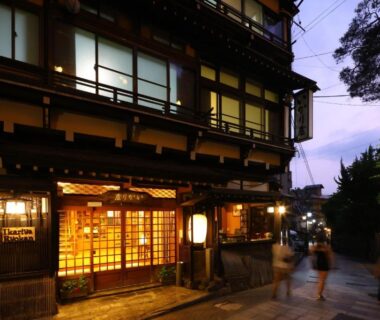
9.0
259 reviews
Ikariya Ryokan
A good fit for travelers who want a classic Shibu Onsen stay in the heart of the old hot-spring street rather than a polished luxury ryokan. It…
9.0
243 reviews
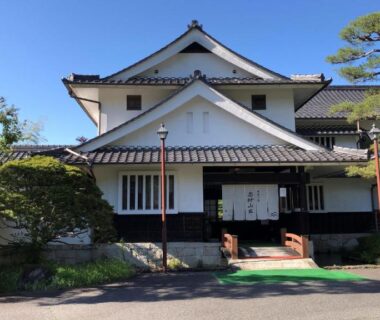
Iwamura Sanso
Iwamura Sanso is a small traditional inn in Iwamura, Ena, Gifu, best suited to travelers who want local food, castle-town atmosphere, and a rust…
9.0
301 reviews
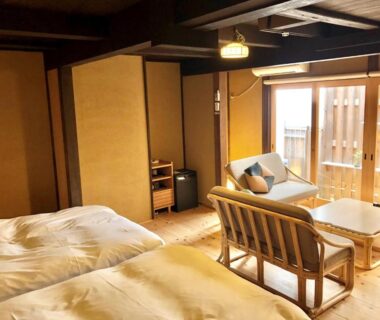
Kariya Ryokan Q
A characterful five-room machiya-style ryokan in Ako’s old castle-town area, best for travelers who value atmosphere, history, and a quieter loc…
9.0
169 reviews
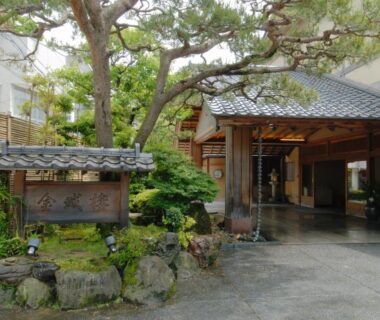
Kinjohro
Kinjohro is a small, prestigious traditional ryokan in Hashibacho, Kanazawa, known for refined Kaga-style cuisine and a historic atmosphere. It…
9.0
1,301 reviews
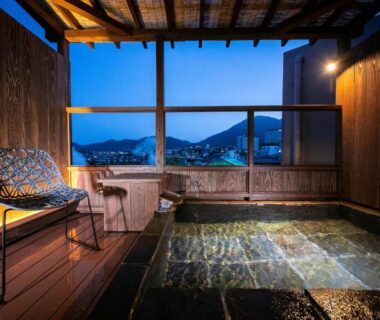
Kunisakisou
This is a well-located Kannawa onsen ryokan in Beppu that stands out for its hot-spring experience, traditional atmosphere, and consistently str…
9.0
686 reviews
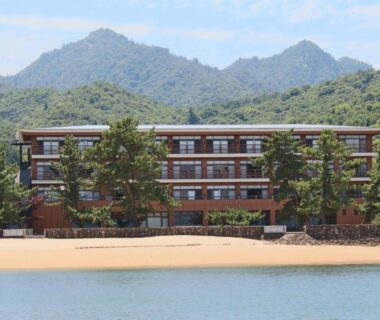
Miyajima Seaside Hotel
This is a solid choice for travelers who want a quieter Miyajima stay with sea views, traditional-style rooms, and convenient port transfers. It…
9.0
204 reviews
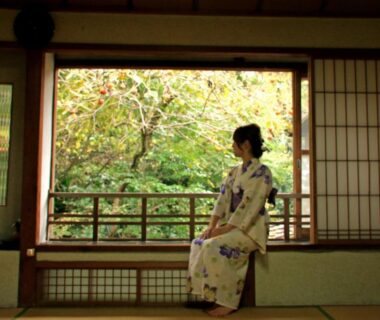
Ougiya Ryokan
A simple, traditional ryokan in the center of Kinosaki Onsen that suits travelers who want atmosphere, convenience, and good value over luxury.…
9.0
168 reviews
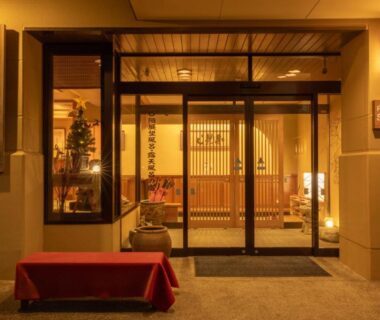
Suminoyu
A well-located Shibu Onsen ryokan that stands out for its elevated bath views, intimate scale, and classic onsen-town atmosphere. It suits trave…
9.0
136 reviews
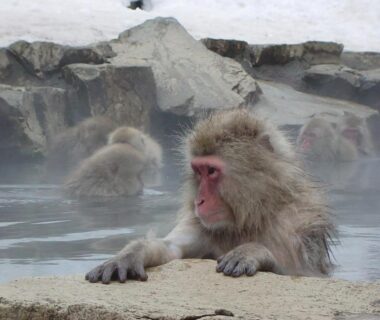
Yudanaka Yumoto
A solid pick for travelers who want a traditional onsen stay in the Yudanaka hot spring area without paying for a flashy luxury property. It sui…
9.0
109 reviews
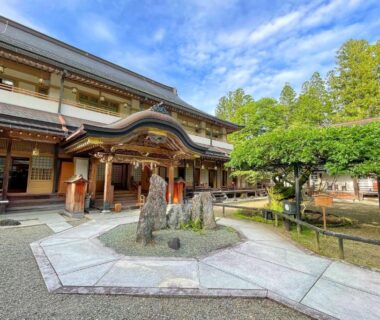
高野山 宿坊 総持院 -Koyasan Shukubo Sojiin-
A strong pick for travelers who want a polished temple-stay in a prime Koyasan location without giving up too much comfort. It suits guests who…
8.9
6 reviews
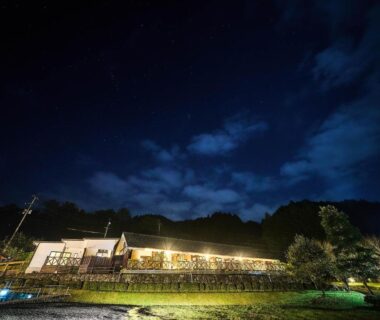
Chalet de montagne Hibari d’Asagiri
Asagiri Sanso Hibari appears to be a countryside lodge-style ryokan in Asagiri, Kumamoto, best suited to travelers who want quiet, space, wood-b…
8.9
604 reviews
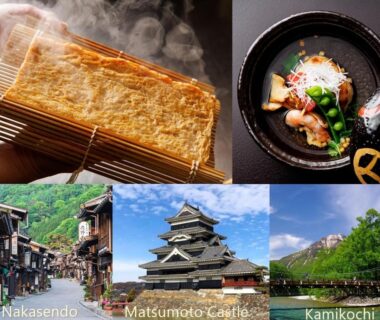
Fukashiso
Folkcraft Ryokan Fukashiso is a characterful, food-focused stay in Matsumoto that suits travelers who value traditional atmosphere, thoughtful m…
8.9
98 reviews
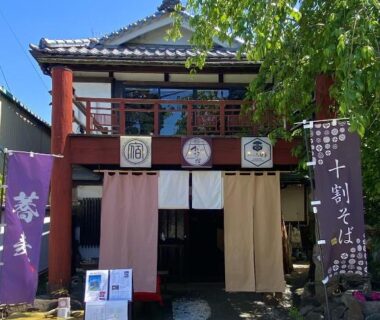
Monzen Okagero
A distinctive stay for travelers who want temple-approach atmosphere, heritage character, and broad views over Ikoma and the Nara plain. It suit…
8.9
876 reviews
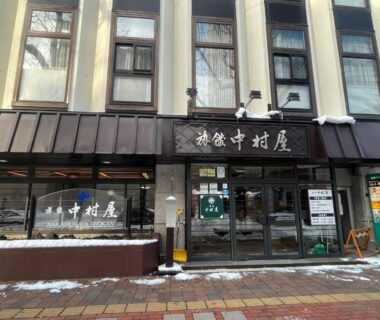
Nakamuraya Ryokan
This is a long-running traditional ryokan in central Sapporo that suits travelers who want Japanese-style lodging with warm service rather than…
8.9
6 reviews
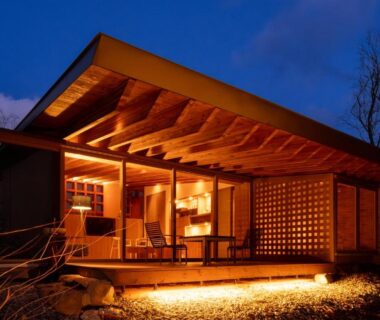
Nasu Muku no Ne
A design-led countryside stay in Nasu that stands out for its iconic Water Garden, private villa-style lodging, and strong food focus. It is bes…
8.9
673 reviews
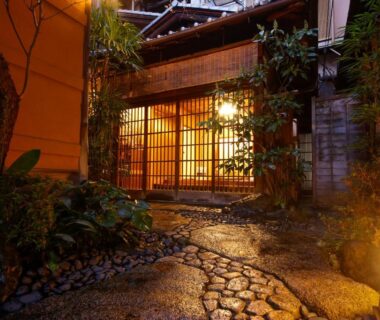
Ryokan Sanga
This is a well-located traditional ryokan in central Kyoto that works especially well for travelers who want tatami-room charm near Nishiki Mark…
8.9
9 reviews
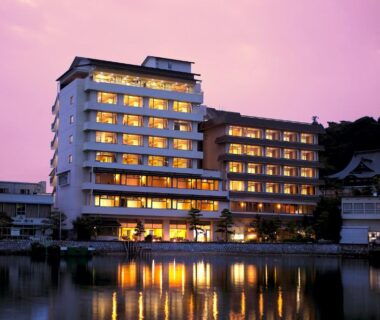
Sansuikan Kinryu
A solid choice for travelers who want a classic lakeside onsen stay in Kanzanji with strong local cuisine and beautiful views. It suits guests w…
8.9
473 reviews
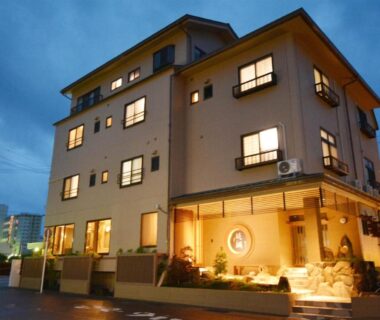
Shirahama no Yado Daigo
This is a compact ryokan in Shirahama, Wakayama, well placed for travelers who want to stay near the beach and central sightseeing spots. It sui…
8.9
1,248 reviews
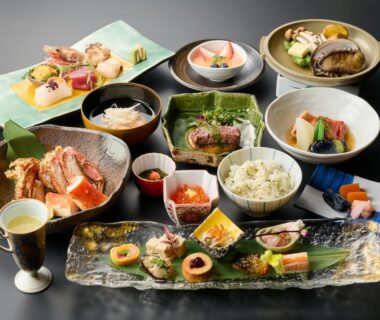
Tabist Chikuba Shinyotei Hakodate Yunokawaonsen
This is a traditional Hakodate ryokan best suited to travelers who want a classic Japanese inn atmosphere, hot-spring bathing, and a quieter sta…
8.9
93 reviews
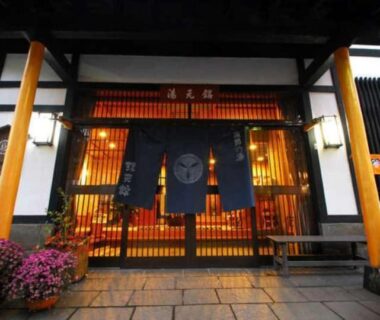
Yakushi no Yu Yumotokan
A small traditional ryokan in Kusatsu Onsen, this property suits travelers who want a quiet stay very close to Yubatake and enjoy a more old-fas…
8.9
127 reviews
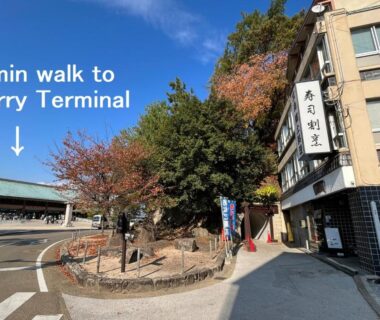
Yamaichi Bekkan
A very small ryokan by Miyajima’s ferry terminal, Yamaichi Bekkan is best for travelers who value convenience and food options over resort-style…
8.9
161 reviews
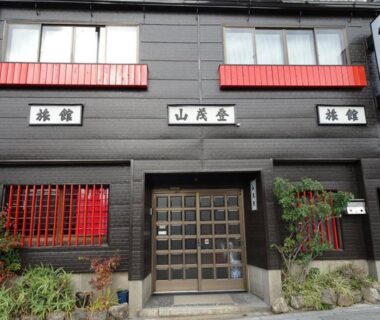
Yamamoto Ryokan
This is a traditional Kyoto ryokan in Higashiyama that stands out most for its convenient sightseeing location and strong focus on Kyoto-style m…
8.9
1,452 reviews
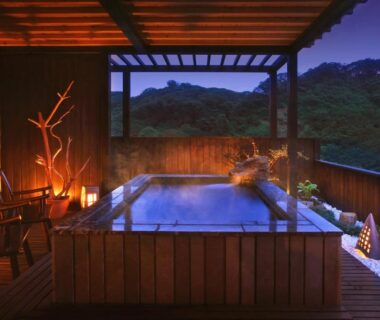
旅館かわな -Ryokan Kawana-
This Kimitsu ryokan is a strong fit if you want a traditional stay focused on standout meals, private open-air bathing, and a quieter setting ou…
8.8
409 reviews
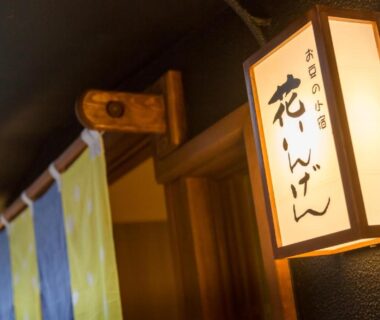
Hanaingen
A well-located small ryokan in central Kusatsu that suits travelers who want easy access to Yubatake and private hot spring baths without a larg…
8.8
173 reviews
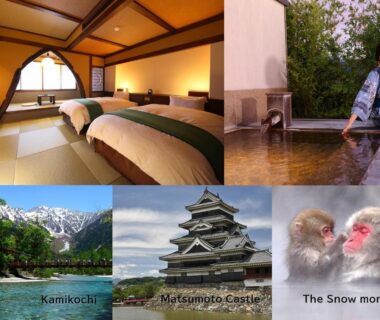
Hotel Tamanoyu
This is a distinctive Asama Onsen ryokan in Matsumoto that stands out most for its barrier-free design, private baths, and warm traditional atmo…
8.8
480 reviews
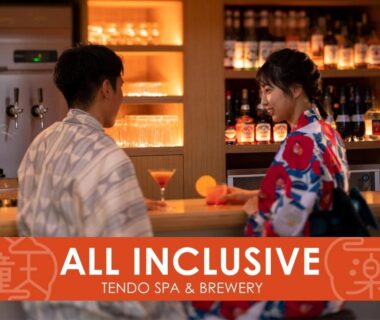
Ichiraku tendo spa & brewery
A distinctive onsen stay in Tendo that stands out for its in-house brewery, all-inclusive style, and renovated kura spaces. It is especially app…
Top 10 ryokans in Japan
Ranking based on overall rating and review volume. Includes this category and its subcategories.
-
🥇 1Sui Suwako10.0/10 · 636 reviews
-
🥈 2Toshiharu Ryokan9.9/10 · 563 reviews
-
🥉 3Ryokan Mugen (Adult Only)9.9/10 · 359 reviews
-
4Sakaeya Hotel10.0/10 · 118 reviews
-
5Kinosaki onsen Tokitotoki9.9/10 · 206 reviews
-
6Yatsusankan-Children 6 years and older only9.8/10 · 733 reviews
-
7Ryokan Tori9.8/10 · 604 reviews
-
8Shinwaen10.0/10 · 102 reviews
-
9Yoyokaku9.8/10 · 374 reviews
-
10Yoshimatsu9.7/10 · 2,260 reviews
Traveler itineraries including Japan
Ryokans from Japan appear in 106 public itineraries.
5 days – Mie > Hyogo > Kyoto > Tochigi
3 stops3 days – Fukushima > Wakayama > Nagano
3 stops5 days – Mie > Hyogo > Kyoto > Tochigi
5 stops5 days – Hokkaido > Kumamoto > Shizuoka > Kyoto
5 stops5 days – Mie > Nagano > Ishikawa > Saga
5 stops5 days – Kanagawa > Hyogo > Shizuoka
5 stops5 days – Gunma > Hokkaido > Oita > Kyoto
5 stops5 days – Ishikawa > Miyagi > Niigata > Kyoto
5 stops4 days – Mie > Nagano > Shizuoka > Kanagawa
4 stops4 days – Oita > Shizuoka
4 stopsBest time to visit Japan
Autumn and spring are generally easiest for weather, scenery, and ryokan travel, but Japan’s climate varies greatly from Hokkaido to Okinawa.
-
JanuaryGood7/10WeatherMidwinter; cold nationwide, snowy in northern and mountain regions, milder in the south.TemperatureDay 2°C - Night -4°CCold Snow In North Dry AirGood forExcellent onsen and snow scenery.Watch outCold weather limits rural sightseeing.SeasonNew Year season, ski peak, early plum blossoms south.TipBook resort trains and hot-spring inns early around New Year holidays.Moderate crowds
-
FebruaryGood7/10WeatherStill cold and dry; best snow conditions in Hokkaido and the Japanese Alps.TemperatureDay 3°C - Night -3°CCold Snow In North Dry AirGood forGreat powder snow and fewer tourists.Watch outSome areas feel bleak and cold.SeasonSapporo Snow Festival, plum blossoms begin in warmer regions.TipIdeal for snow country ryokan, especially with private baths.Moderate crowds
-
MarchGood8/10WeatherEarly spring; cool days, lingering snow north, blossoms start in south and central Japan late month.TemperatureDay 8°C - Night 0°CCool Spring Flowers Late Snow NorthGood forEarly spring scenery starts nationwide.Watch outBloom timing varies by region.SeasonCherry blossoms start southward; Hina Matsuri on March 3.TipUse flexible dates if planning around sakura.Busy
-
AprilExcellent10/10WeatherOne of the most comfortable months; mild temperatures across much of Japan.TemperatureDay 14°C - Night 6°CMild Cherry Blossoms PleasantGood forBest mix of weather and blossoms.Watch outPopular spots become very crowded.SeasonPeak cherry blossom season; Takayama Spring Festival; Miyako Odori.TipReserve ryokan months ahead, especially Kyoto and Hakone.Very busy
-
May Current monthExcellent9/10WeatherWarm, fresh, and often sunny after blossoms; excellent for gardens, walks, and countryside.TemperatureDay 19°C - Night 11°CWarm Fresh Greenery Generally DryGood forComfortable weather and fresh greenery.Watch outGolden Week brings heavy domestic travel.SeasonGolden Week; Sanja Matsuri; late blossoms in Hokkaido.TipAvoid Golden Week dates for smoother transport and rates.Busy
-
JuneMixed5/10WeatherRainy season begins in much of Japan, though Hokkaido is usually less affected.TemperatureDay 22°C - Night 16°CRainy Season Humid Lush GreeneryGood forHydrangeas and lush garden scenery.Watch outRain and humidity increase.SeasonRainy season, hydrangeas, some rice-planting landscapes.TipChoose ryokan towns with museums, baths, and indoor dining.Moderate crowds
-
JulyMixed5/10WeatherHot and humid in many regions; rainy season lingers early, then summer heat intensifies.TemperatureDay 27°C - Night 21°CHot Humid Rain Early MonthGood forMajor festival season begins.Watch outHeat and humidity are draining.SeasonGion Matsuri, Tanabata, mountain escapes become attractive.TipPrioritize higher elevations or coastal breezes where possible.Busy
-
AugustMixed5/10WeatherPeak summer heat; very humid in cities, cooler in mountains and Hokkaido.TemperatureDay 28°C - Night 22°CVery Hot Humid Typhoon RiskGood forFireworks and summer festivals nationwide.Watch outStrong heat and Obon crowds.SeasonObon travel peak, fireworks, Awa Odori, Nebuta festivals.TipBook transport and ryokan early for Obon week.Very busy
-
SeptemberMixed6/10WeatherLate summer warmth continues; humidity eases gradually, but typhoon risk remains.TemperatureDay 24°C - Night 18°CWarm Humid Early Typhoon RiskGood forSlightly fewer crowds after Obon.Watch outTyphoons can disrupt plans.SeasonTyphoon season, harvest period, some autumn festivals begin.TipKeep itineraries flexible and monitor transport updates closely.Moderate crowds
-
OctoberExcellent9/10WeatherComfortable, drier weather in most of Japan; autumn color starts in higher elevations and north.TemperatureDay 18°C - Night 10°CComfortable Drier Autumn Colors BeginGood forComfortable sightseeing and early foliage.Watch outPopular autumn weekends fill quickly.SeasonAutumn leaves begin north and mountains; Jidai Matsuri.TipExcellent month for scenic ryokan stays with kaiseki.Busy
-
NovemberExcellent10/10WeatherCool, crisp, and ideal in much of Japan; peak foliage for many famous destinations.TemperatureDay 12°C - Night 5°CCool Crisp Peak FoliageGood forPeak autumn foliage and clear weather.Watch outTop foliage spots are crowded.SeasonPeak koyo in many regions; Shichi-Go-San season.TipBest nationwide month for classic ryokan scenery.Very busy
-
DecemberGood7/10WeatherEarly winter; cold grows stronger, snow starts in northern and mountain areas, air often clear.TemperatureDay 6°C - Night 0°CCold Clear Air Snow StartsGood forClear views, illuminations, winter onsen.Watch outYear-end closures and holiday travel.SeasonIlluminations, ski season starts, Oshogatsu travel builds.TipConfirm holiday opening days for museums and restaurants.Moderate crowds
How long to stay in Japan
Japan works for short first trips or long rail journeys, but climate and transfer times reward a measured pace.
A week covers one main region well; 10 to 14 nights allows cities, countryside ryokan stays, and seasonal detours without rushing.
Quick first trip
5 to 7 nightsTokyo-Kyoto-Osaka or one-region focus
Best for travelers who want classic highlights and one ryokan stay.
Avoid trying to cover the whole country.
Balanced classic journey
10 to 14 nightsFirst-time visitors mixing cities and ryokan
Allows a smoother route, seasonal sightseeing, and two to four bases.
Best overall stay length for most travelers.
Season-focused trip
7 to 10 nightsSakura, foliage, snow, or festival travel
Works well if you target one seasonal window and one broad region.
Stay flexible because timing shifts by region and year.
Deep multi-region trip
15 to 21 nightsRepeat visitors and rail travelers
Lets you combine major cities with rural onsen towns, islands, or Hokkaido/Kyushu.
Worth it if you want slower pacing and regional variety.
- Japan is large, so transfer time can consume more days than expected.
- For ryokan trips, one-night stays are possible but two nights feel far less rushed.
- Spring and autumn need earlier booking, especially for Kyoto, Hakone, Nikko, and popular onsen towns.
- In winter, allow extra buffer time for snow regions and weather-related delays.
Seasonal events across Japan
These are widely recognized recurring events around Japan; exact dates and nearby relevance vary by region.
Oshogatsu
Nationwide
Japan’s New Year period brings shrine visits, holiday foods, and a traditional atmosphere.
Excellent for cultural atmosphere, but expect some closures.
Toka Ebisu
Osaka
Busy shrine festival praying for prosperous business in the new year.
Good if your route includes Kansai.
Nationwide New Year travel affects transport and business hours.
Sapporo Snow Festival
Sapporo, Hokkaido
Japan’s best-known snow festival with large snow and ice sculptures.
Top winter event if visiting Hokkaido.
Plum blossom season
Various regions
Plum blossoms begin before sakura in many warmer parts of Japan.
Useful early-spring alternative to cherry blossoms.
Best month for iconic snow festivals and early blossoms.
Hina Matsuri
Nationwide
Girls’ Day displays ornamental dolls and seasonal sweets.
A cultural bonus rather than a major travel driver.
Cherry blossom season begins
South and central Japan
Sakura starts spreading northward as spring travel demand rises.
Excellent if your dates are flexible.
Bloom timing varies yearly and shifts north later.
Takayama Spring Festival
Takayama, Gifu
One of Japan’s most famous festivals, known for ornate floats.
Excellent if combining Alps and ryokan travel.
Miyako Odori
Kyoto
Traditional spring dance performances by Kyoto geiko and maiko.
Strong cultural choice for Kyoto itineraries.
April is one of Japan’s busiest cultural travel months.
Golden Week
Nationwide
Major holiday period with heavy domestic travel across Japan.
Avoid for easier logistics unless booked well ahead.
Sanja Matsuri
Tokyo
Lively major shrine festival centered on Asakusa.
Great urban festival atmosphere if in Tokyo.
Crowding and accommodation pressure are significant during Golden Week.
Hydrangea season
Various regions
Temple gardens and rainy-season landscapes are especially photogenic.
Best for slower scenic trips rather than broad touring.
Named nationwide highlights are fewer; seasonality matters more than festivals.
Gion Matsuri
Kyoto
Kyoto’s most famous festival, with processions and month-long observances.
Outstanding if you can handle heat and crowds.
Tanabata
Various regions
Star Festival decorations appear in cities and shopping streets.
A pleasant seasonal addition, especially in urban stops.
Summer festival season starts strongly despite heat and humidity.
Awa Odori
Tokushima
Japan’s most famous dance festival fills the city with performances.
Excellent for Shikoku-focused travel.
Aomori Nebuta Festival
Aomori
Illuminated floats and lively parades make it a major summer event.
One of Japan’s standout summer festivals.
Obon also drives one of the year’s biggest domestic travel peaks.
Gujo Odori
Gujo, Gifu
Long-running summer dance festival extending into early autumn.
Appealing for regional culture if nearby.
Harvest and early autumn festivals
Various regions
Local shrine festivals begin as heat gradually eases.
Good bonus if weather stays stable.
Typhoon risk can affect outdoor plans and transport.
Jidai Matsuri
Kyoto
Historic costume procession marking Kyoto’s past eras.
Excellent for autumn Kansai trips.
Autumn leaves begin
Hokkaido and higher elevations
Koyo starts earliest in the north and mountain areas.
Great for scenic onsen and hiking routes.
A strong month for culture, landscapes, and comfortable weather.
Shichi-Go-San
Nationwide
Families visit shrines to celebrate children’s milestones.
A gentle cultural sight during shrine visits.
Peak autumn foliage season
Many parts of Japan
Many famous temple, garden, and onsen areas reach peak color.
One of the best seasonal reasons to visit Japan.
Top foliage destinations can be extremely busy.
Winter illuminations
Major cities nationwide
Large-scale light displays brighten urban districts and parks.
Good for city breaks and early winter evenings.
Namahage Sedo Festival season
Oga, Akita
A famous northern folk tradition associated with winter and New Year season.
Region-specific, but culturally distinctive.
Year-end travel and holiday schedules shape late-December planning.
Practical Japan Ryokan FAQ: How to Choose the Right Stay
Which ryokan in Japan is best for a private in-room onsen stay for couples?
Sui Suwako is the clearest fit if private soaking is your priority. Every room has its own open-air bath facing Lake Suwa, and the eight-room scale keeps the mood quiet and couples-focused. As an alternative, Oyado Den Rikyu is stronger if you want Yufuin and both indoor and open-air baths in each room. Choose Sui Suwako for lake views and intimacy; choose Den Rikyu for a classic private Yufuin onsen rhythm.
Pick Sui Suwako for a shorter, more intimate lakeside stay; pick Oyado Den Rikyu for a more classic private-bath Yufuin experience.
Where should I stay in Japan for a classic public onsen ryokan experience instead of a private-bath stay?
Yatsusankan is a strong traditional choice if you want communal baths, a historic ryokan atmosphere, and private-room kaiseki in a quieter old town. Yoshimatsu is the better alternative if you want Hakone and Lake Ashi access with more classic Hakone onsen appeal. Choose Yatsusankan for Hida Furukawa character and easier station access; choose Yoshimatsu for a more destination-style Hakone stay with stronger sightseeing around the lake.
Choose Yatsusankan for heritage and walkability in town; choose Yoshimatsu for Hakone scenery and a more classic onsen-trip setting.
What is the best ryokan in Japan near Kinosaki Onsen for easy bath-hopping on foot?
Tsutaya Ryokan is the more practical pick if your goal is classic Kinosaki bath-hopping in an old wooden ryokan right inside the onsen town. It is especially good for travelers who plan to use the town baths more than the inn bath. Kinosaki onsen Tokitotoki is a better alternative if you want a smaller boutique feel and adults-only calm. The main tradeoff is style: Tsutaya feels more traditional, while Tokitotoki feels more intimate and modern.
Book Tsutaya for classic town-bath atmosphere; book Tokitotoki for a quieter boutique stay with more adult-focused privacy.
Which Japan ryokan is best near Lake Ashi in Hakone?
Yoshimatsu is the strongest choice near Lake Ashi if you want a classic Hakone ryokan with kaiseki meals, open-air baths, and easy access to Hakone-machi and Moto-Hakone transport points. It suits travelers who want the lake area more than station convenience. There is no equally direct Lake Ashi alternative in the available data, so if rail convenience matters more than Hakone atmosphere, this answer is limited by the current ryokan details.
Choose Yoshimatsu if Lake Ashi sightseeing matters more than easy rail access.
Which ryokan in Japan is best near Amanohashidate or Ine for a quiet coastal retreat?
HOSHINO-OTO is the clearest fit if you want a quiet upscale stay near Amanohashidate with sea-facing rooms and private in-room hot spring comfort. It also works for side trips toward Ine no Funaya. The tradeoff is access: it is outside central Miyazu, so planning a shuttle or car helps. If you want a town-center sightseeing base, this style may feel too secluded.
Pick HOSHINO-OTO when privacy, sea views, and a retreat feel matter more than walkable town access.
What is the best Japan ryokan for Kyoto if I want traditional machiya atmosphere over onsen?
Toshiharu Ryokan is the most balanced choice if you want a preserved Kyoto machiya feel, central access, and a highly rated Kyoto-style breakfast. It suits travelers who want heritage and easy city sightseeing more than resort facilities. Ryokan Mugen is the better alternative if you prefer a quieter adult-only atmosphere in residential Kyoto. Choose Toshiharu for convenience and classic machiya character; choose Mugen for calm and more personal hosting.
Choose Toshiharu for central practicality; choose Mugen for a quieter adults-only Kyoto stay.
Which ryokan in Japan is best for Kanazawa sightseeing without giving up a ryokan feel?
Tsurukō is the strongest choice if you want central Kanazawa access with a luxury ryokan feel, oversized suites, and in-room kaiseki dining. It works especially well for couples who want to walk to major city sights. TAKITEI Riverside Onsen is the better alternative if you prefer a riverside onsen retreat outside the city center. Choose Tsurukō for city sightseeing; choose TAKITEI for hot-spring seclusion near Kanazawa.
Stay at Tsurukō for central Kanazawa days; stay at TAKITEI if onsen time matters more than urban convenience.
Which ryokan in Japan is best for families or small groups who want a private whole-house stay?
Itsumoya is the stronger cultural pick if your group wants a whole traditional townhouse on Miyajima and values island atmosphere after day-trippers leave. Base House Kinosaki is the better alternative if your group wants space, sauna, outdoor activities, and a more casual private-villa setup. The tradeoff is clear: Itsumoya gives heritage and location; Base House gives activity-focused privacy and family flexibility rather than classic ryokan service.
Choose Itsumoya for cultural atmosphere; choose Base House Kinosaki for family space and activity value.
Which Japan ryokan works best without a car?
Sui Suwako is one of the safest car-free choices because JR Kami-Suwa Station is close, there is shuttle support in limited hours, and the stay is built around a short lakeside onsen stop. Yatsusankan is another good option if you want a traditional stay within walking distance of Hida-Furukawa Station. Choose Sui Suwako for easier short-stop access; choose Yatsusankan for a more historic ryokan atmosphere in an old town.
Prioritize Sui Suwako for the easiest car-free onsen break; choose Yatsusankan if you want more heritage and can handle a short walk.
Which ryokan in Japan is best for a food-focused stay?
Tsurukō is the clearest food-led splurge if you want in-room kaiseki dining, very large suites, and a stay built around refined Kanazawa cuisine. Sakaeya Hotel is the better alternative if you want a stronger onsen-town rhythm with multiple dining venues and regional Yamagata specialties at a lower formality level. Choose Tsurukō for exclusive dining and privacy; choose Sakaeya for a more traditional bath-and-meal stay with easier room variety.
Book Tsurukō for an exclusive culinary stay; book Sakaeya Hotel for a more traditional onsen-and-meal balance.