
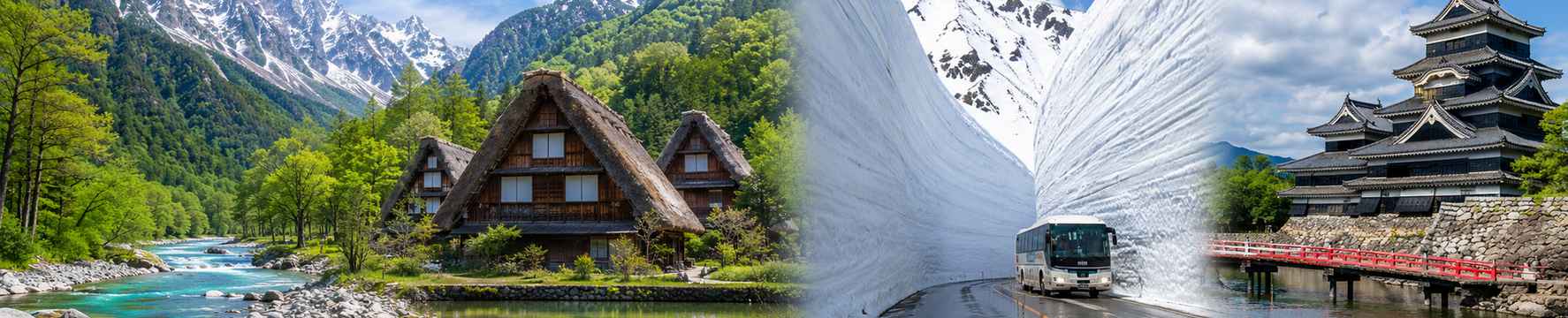
Discover the best ryokans in Gifu, a mountain-rich prefecture in central Japan known for atmospheric hot spring towns, historic streets and quiet countryside stays. Gero Onsen offers classic ryokan hospitality along the Hida River, while Okuhida Onsen-go near Takayama is ideal for open-air baths, alpine scenery and a more secluded retreat. Many travelers pair a ryokan stay with Hida Takayama’s old town, Shirakawa-go, the Nakasendo post towns or seasonal nature in the Japan Alps. Gifu suits couples, families and slow travelers seeking onsen bathing, local cuisine and a traditional Japanese inn experience away from major city crowds.
90 ryokan(s) shown out of 90 in this region.
7.8
252 reviews
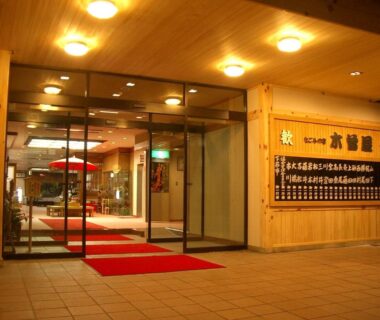
Kisoya
A solid mid-range ryokan in Gero Onsen that focuses on classic hot-spring stays, in-room meals, and a traditional feel rather than luxury polish…
7.8
62 reviews
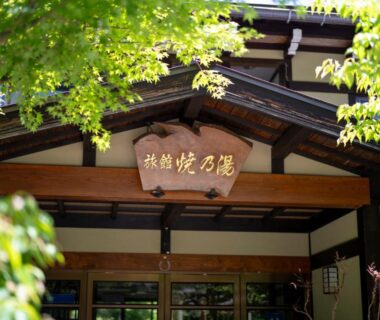
Yakenoyu
This is a traditional Okuhida onsen stay that stands out for private open-air baths, strong mountain scenery, and hearty regional meals. It suit…
7.8
35 reviews
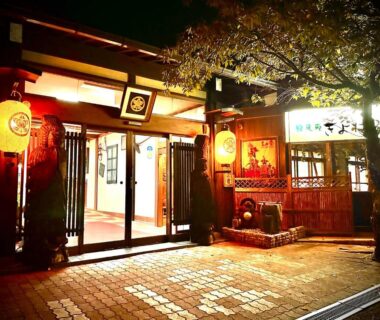
緑風苑 きよはる Ryokufuen Kiyoharu
This is a traditional onsen ryokan in Takayama with a stronger focus on baths, regional cuisine, and a quiet local setting than on luxury polish…
7.5
820 reviews
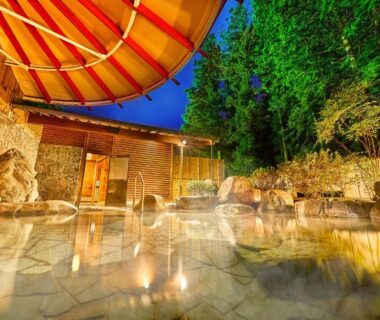
Ooedo Onsen Monogatari Gero Bekkan
A practical hot-spring stay in Gero Onsen that works best for travelers who prioritize good baths, buffet-style meals, and value over polished l…
7.3
42 reviews
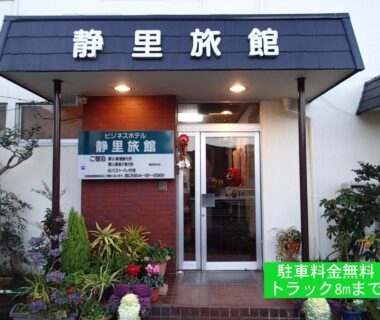
Business Hotel Shizusato Ryokan
This is a very simple budget stay in Ogaki that suits practical travelers more than leisure-focused guests. It stands out for value, parking-fri…
7.0
928 reviews
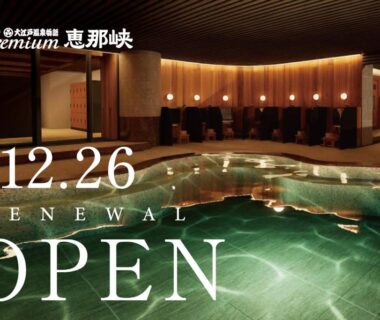
Ooedo Onsen Monogatari Premium Enakyo
This is a large onsen hotel in Ena, Gifu, positioned for scenic stays around Enakyo rather than for a secluded traditional ryokan feel. It suits…
6.6
54 reviews
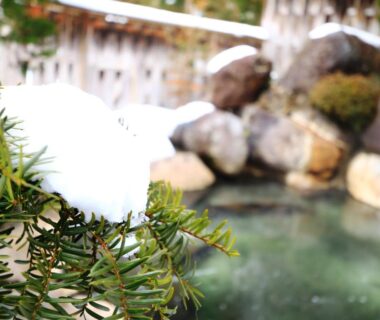
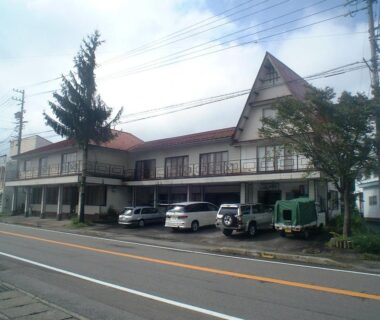
Miyamaso
A good fit for travelers who want a traditional, family-run Okuhida onsen stay with rustic character rather than polished luxury. Choose it for…
6.1
92 reviews
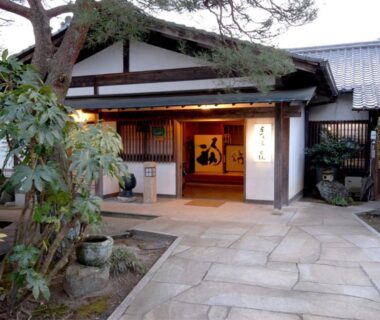
Mizubaso
Mizubaso appears to be a simple, budget-friendly ryokan in the Hirugano area of Gujo, Gifu, best suited to skiers, drivers, and travelers who li…
4.8
318 reviews
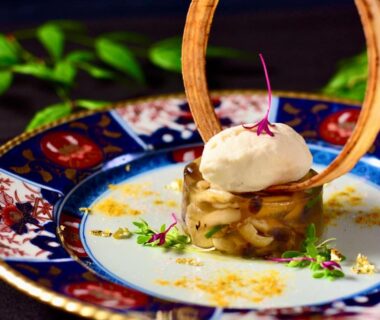
Nagataki
A distinctive countryside ryokan in Nakatsugawa, Gifu, this property stands out for its detached old-house accommodations, wooded grounds, and s…
-
No overall rating yet
The,おこもりの宿 夢流し
A very small, privacy-focused onsen auberge in Okuhida Onsen-go that seems best for couples who want to stay in and enjoy a quiet, premium ryoka…
Top 10 ryokans in Gifu
Ranking based on overall rating and review volume. Includes this category and its subcategories.
-
🥇 1Yatsusankan-Children 6 years and older only9.8/10 · 733 reviews
-
🥈 2まち宿 壱龍 MACHIYADO ICHIRYU9.7/10 · 582 reviews
-
🥉 3Minshuku Takizawa9.7/10 · 128 reviews
-
4Iroriyado Hidaya9.6/10 · 368 reviews
-
5Nakaodaira9.6/10 · 143 reviews
-
6Wanosato9.5/10 · 603 reviews
-
7Tajimaya9.5/10 · 422 reviews
-
8Yamazatonoiori Soene9.5/10 · 228 reviews
-
9Ryokan Asunaro9.4/10 · 1,821 reviews
-
10Sumiyoshi Ryokan9.4/10 · 1,012 reviews
Traveler itineraries including Gifu
Ryokans from Gifu appear in 20 public itineraries.
5 days – Mie > Hyogo > Kyoto > Tochigi
3 stops4 days – Kyoto > Mie > Gifu > Hokkaido
4 stops4 days – Oita > Kyoto > Gunma > Gifu
4 stops6 days – Tochigi > Gifu > Tokyo-to > Nagano
6 stops4 days – Gifu > Kanagawa > Ishikawa > Hyogo
4 stops3 days – Saga > Gifu
3 stops7 days – Shizuoka > Nagano > Kyoto > Gifu
7 stops6 days – Gifu > Fukushima > Oita > Shizuoka
6 stops5 days – Yamagata > Mie > Kyoto > Gifu
5 stops4 days – Oita > Mie > Gifu > Tokyo-to
4 stopsBest time to visit Gifu Prefecture
Autumn and spring are strongest overall, while winter shines in snowy Hida and onsen towns.
-
JanuaryGood7/10WeatherDeep winter; heavy snow in Hida and Shirakawa-go, colder mornings statewide.TemperatureDay 1°C - Night -7°CSnow Cold Mountain Access DelaysGood forBest snow scenery in Shirakawa-go.Watch outSnow can disrupt mountain transport.SeasonShirakawa-go light-up season and deep snow.TipBook Shirakawa-go and Hida ryokan early and check bus conditions.Moderate crowds
-
FebruaryGood7/10WeatherVery cold, with persistent snow in northern mountains and crisp air elsewhere.TemperatureDay 3°C - Night -6°CSnow ColdGood forGreat ryokan and onsen weather.Watch outLimited ease for alpine sightseeing.SeasonTano Kami Festival in Gero; winter snows continue.TipChoose onsen stays and allow extra travel time into Hida.Low crowds
-
MarchMixed6/10WeatherLate winter north, early spring south; temperatures rise but mornings stay cold.TemperatureDay 8°C - Night -2°CLingering Snow Variable TemperaturesGood forQuieter travel before blossom peaks.Watch outScenery can look in-between seasons.SeasonEarly blossoms south; snow may linger in Hida.TipMix southern cities with an onsen base rather than chasing full bloom everywhere.Low crowds
-
AprilExcellent9/10WeatherComfortable spring weather; cherry blossoms move from south to higher elevations.TemperatureDay 15°C - Night 4°CSpring Blooms Cool EveningsGood forTop month for festivals and blossoms.Watch outPopular dates book out fast.SeasonTakayama Spring Festival and Furukawa Festival.TipReserve Takayama-area ryokan far ahead for mid-April.Busy
-
May Current monthExcellent9/10WeatherMild to warm, generally comfortable, with fresh greenery in valleys and mountains.TemperatureDay 20°C - Night 9°CFresh Green Season ComfortableGood forPleasant weather for moving around.Watch outGolden Week can be crowded.SeasonOgaki Festival and fresh mountain greenery.TipAvoid Golden Week dates if you want calmer inns and buses.Busy
-
JuneMixed5/10WeatherEarly summer turns wetter with tsuyu rains, though mountains stay lush.TemperatureDay 23°C - Night 14°CRainy Season HumidGood forLower crowds and vivid greenery.Watch outRain can limit outdoor plans.SeasonHydrangeas and rainy-season greens.TipChoose ryokan with baths and indoor dining for wet days.Low crowds
-
JulyMixed5/10WeatherHotter and humid, especially south; mountain and river areas feel more refreshing.TemperatureDay 27°C - Night 19°CHeat Humidity Rain EasingGood forGood for rivers and mountain escapes.Watch outHeat is tiring in lowlands.SeasonGujo Odori begins in mid-July.TipBase in cooler Hida or combine sightseeing with river and evening activities.Moderate crowds
-
AugustMixed5/10WeatherPeak summer heat and humidity, especially in southern inland plains.TemperatureDay 29°C - Night 20°CHeat Humidity Summer StormsGood forLively festivals and mountain escapes.Watch outHottest month in southern Gifu.SeasonGujo Odori peak nights and Gero Onsen Festival.TipPlan early starts, cool evening activities, and higher-elevation stays.Busy
-
SeptemberGood7/10WeatherStill warm early, then gradually cooler; rainfall risk remains at times.TemperatureDay 24°C - Night 16°CLate Summer Warmth Rain RiskGood forBetter comfort than midsummer.Watch outWeather can stay unsettled.SeasonGujo Odori ends in early September.TipGood month for mixed town, onsen, and countryside itineraries.Moderate crowds
-
OctoberExcellent10/10WeatherCool, dry, and scenic; one of the best months across the prefecture.TemperatureDay 18°C - Night 8°CClear Skies Autumn ColorGood forBest balance of weather and scenery.Watch outPopular weekends fill quickly.SeasonTakayama Autumn Festival and Shirakawa-go Doburoku Festival.TipPair Takayama or Shirakawa-go with a ryokan stay for peak fall atmosphere.Busy
-
NovemberExcellent9/10WeatherCrisp autumn with strong foliage displays; colder nights arrive in the north.TemperatureDay 12°C - Night 2°CFoliage Peak Cool NightsGood forExcellent foliage and onsen season.Watch outChilly nights in Hida.SeasonPeak autumn leaves and temple light-ups in Gero.TipIdeal for foliage drives, town walks, and evening baths.Busy
-
DecemberGood7/10WeatherWinter returns quickly in the north with snow; south turns cold but manageable.TemperatureDay 5°C - Night -3°CCold Early Snow NorthGood forAtmospheric winter ryokan stays.Watch outShort days and colder travel.SeasonSnow season starts in Hida and Shirakawa-go.TipGreat for onsen-focused trips with flexible mountain sightseeing.Moderate crowds
How long to stay in Gifu
Gifu works best as a 2-4 night trip, with more time if you combine Hida, Shirakawa-go, and onsen towns.
Three nights lets you combine Takayama or Shirakawa-go with Gero Onsen or another part of the prefecture at a comfortable pace.
Quick ryokan break
2 nightsTakayama plus Gero Onsen, or Shirakawa-go plus Takayama
Good for one scenic base and one onsen or heritage town.
Best for repeat Japan visitors or short Kansai-Chubu add-ons.
Balanced first trip
3 nightsTakayama, Shirakawa-go, and one onsen town
Enough time for old towns, mountain scenery, and a slow ryokan evening.
Most practical choice for first-time Gifu travelers.
Deeper prefecture trip
4-5 nightsAdding Gujo Hachiman, Magome area access, or southern Gifu
Useful if you want festivals, rural scenery, and multiple bases.
Choose this if you want slower transport days and regional variety.
- Northern Gifu needs extra transit time in winter.
- Festival dates in Takayama and Gujo raise accommodation demand.
- A split stay often works better than day-tripping across the prefecture.
Annual events in Gifu Prefecture
These are major recurring events across Gifu Prefecture; not every event is close to every ryokan.
Shirakawa-go Winter Light-Up
Shirakawa-go
Illuminated gassho-zukuri village under deep snow.
Book lodging or transport arrangements well ahead.
Dates are limited and tightly controlled.
Tano Kami Festival
Gero
Historic flower-hat rite at Mori Mizunashi Hachiman Shrine.
Strong cultural fit for winter onsen stays.
Best combined with Gero Onsen.
Few major named events
Across Gifu
Shoulder month between deep winter and main spring festival season.
Visit for quieter travel rather than event timing.
Seasonal travel value is stronger than event value.
Takayama Spring Festival
Takayama
Famous float festival at Hie Shrine.
One of Gifu's top annual event windows.
Furukawa Festival
Hida Furukawa
Celebrated local festival known for its dynamic atmosphere.
Excellent add-on if staying in Hida.
One of the strongest cultural months in the prefecture.
Ogaki Festival
Ogaki
Traditional festival with ornate floats in western Gifu.
Good reason to explore southern or western Gifu.
May combines festivals with comfortable weather.
Few major named events
Across Gifu
Rainy-season travel emphasizes greenery and ryokan stays.
Best for quieter trips and indoor comforts.
Natural scenery matters more than major festivals.
Gujo Odori
Gujo Hachiman
Long-running public dance festival through summer nights.
Ideal for travelers wanting participatory local culture.
July marks the start of Gifu's best-known summer event.
Gujo Odori Overnight Dancing
Gujo Hachiman
Peak all-night dance period of Gujo Odori.
Book early if timing a summer visit around it.
Gero Onsen Festival
Gero
Hot-spring-town celebrations often paired with fireworks.
Good for lively summer onsen stays.
August is festive but hot.
Gujo Odori Finale
Gujo Hachiman
Closing stretch of the long summer dance season.
A good compromise between festivals and easing heat.
Event timing varies within the month.
Takayama Autumn Festival
Takayama
Major float festival at Sakurayama Hachimangu Shrine.
Top choice for classic autumn festival travel.
Shirakawa-go Doburoku Festival
Shirakawa-go
Harvest rite centered on shrine offerings of doburoku.
Combine with autumn foliage and village stays.
Outstanding month for culture and scenery.
Onsenji Autumn Light-Up
Gero
Evening illumination around Gero's temple foliage.
Best with a Gero ryokan stay.
Foliage is the main draw statewide.
Few major named events
Across Gifu
Early winter travel focuses on snow scenery and onsen stays.
Good for seasonal atmosphere rather than festivals.
Snow appeal increases toward late December, especially in Hida.
Practical Gifu Ryokan FAQ
Which ryokan in Gifu is best for a first stay in Takayama with easy station access and traditional atmosphere?
Ryokan Asunaro is the safest first pick if you want a classic Takayama ryokan without giving up convenience. It is close to Takayama Station and old-town sights, with strong breakfast, communal hot-spring bathing, and a notably historic feel. As an alternative, Oyado Koto No Yume is even closer to the station and adds open-air baths, but its private bath is extra and some room categories vary more.
Choose Asunaro for stronger heritage character and balanced sightseeing convenience; choose Koto No Yume if station access matters most.
Where should couples stay in Gifu for private open-air baths and a quieter adult-oriented ryokan?
Mozumo is the strongest couples choice if privacy is your main priority. It is adults-only, in Hirayu Onsen, and built around private open-air bath time in a calm mountain setting. As an alternative, まち宿 壱龍 MACHIYADO ICHIRYU suits couples who want to stay in central Takayama instead, with a semi-open-air bath in every room, but it feels more like a refined town stay than a remote onsen retreat.
Pick Mozumo for seclusion and adults-only quiet; pick MACHIYADO ICHIRYU for private bath comfort with walkable Takayama sightseeing.
What is the best onsen ryokan in Gifu for a true mountain hot spring stay near Shin-Hotaka or Hirayu?
Hirayunomori Bettei Yuuka Sanzōan is the clearest fit if you want a refined Okuhida onsen stay with private in-room bathing and in-room meals in Hirayu. It works especially well for one or two nights with bus access to alpine areas. As an alternative, Nakaodaira is better if you value multiple truly private baths and a smaller, quieter inn, but access is more involved and rooms are more modest.
Choose Yuuka Sanzōan for a more polished private-bath stay; choose Nakaodaira for a quieter, bath-focused mountain retreat.
Which Gifu ryokan is best near Takayama Old Town and Miyagawa Morning Market?
Sumiyoshi Ryokan is the strongest pick if your goal is to sleep right by Takayama’s old streets and the Miyagawa Morning Market. Its riverside position and Taisho-era atmosphere make early and late walks especially rewarding. Honjin Hiranoya Kofukan is the better alternative if you want a more polished full ryokan stay with easy access to Takayama Jinya and old-town sights, but it feels less intimate than Sumiyoshi.
Choose Sumiyoshi for old-house charm and market proximity; choose Kofukan for a more service-focused ryokan stay in the same sightseeing zone.
Where should I stay in Gifu for the Magome-juku or Nakasendo trail experience?
Tajimaya is the clearest choice for Magome-juku because it sits right in the preserved post-town and works especially well for the Magome–Tsumago walking route. Its appeal is atmosphere, meals, and the chance to enjoy Magome after day-trippers leave. The tradeoff is shared facilities and a traditional minshuku feel rather than a full onsen stay. Data here does not show a close same-area alternative with stronger fit.
Book Tajimaya if you want Magome itself to be part of the stay, not just a daytime stop.
Which Gifu ryokan is best for Hida Furukawa old town and a quieter alternative to Takayama?
Yatsusankan is the strongest Hida Furukawa choice if you want a historic ryokan with onsen, strong regional dining, and easy walking access to the canal-side old town. It is quieter and more atmospheric than staying in busier Takayama. As an alternative, Busuitei suits travelers who care more about small-town heritage and food than onsen facilities, but it is not a true onsen-focused stay.
Choose Yatsusankan for a fuller ryokan-and-bath experience; choose Busuitei for a compact cultural stay centered on town atmosphere and meals.
What is the best luxury ryokan in Gifu for kaiseki, atmosphere, and a special-occasion stay?
Wanosato is the strongest special-occasion pick if you want a destination ryokan feel with deep Hida atmosphere, riverside seclusion, and memorable kaiseki dining. It is better for a slow, one-night luxury stay than for efficient sightseeing. Honjin Hiranoya Kachoan is the better alternative if you want refined service and strong meals while staying right in central Takayama, but it is more town-based than secluded.
Choose Wanosato for countryside immersion; choose Kachoan for upscale comfort with immediate access to Takayama sights.
Which ryokan in Gifu is best if I do not have a car and need the easiest public transport access?
Yatsusankan is one of the easiest traditional ryokans to reach without a car because it is only a short walk from Hida-Furukawa Station and still delivers a refined ryokan stay. For Takayama, Oyado Koto No Yume is even easier from the station, but it feels more like a convenient town ryokan than a destination stay. Some access details elsewhere in Gifu are more bus-dependent and less straightforward.
Choose Yatsusankan for the stronger overall ryokan experience; choose Koto No Yume for the easiest station-based arrival.
Where should food-focused travelers stay in Gifu for standout kaiseki or Hida beef meals?
Kawakamiya Kasuitei is the best fit if dinner is a main reason for your trip. It is a small Gero ryokan where seasonal kaiseki and Hida beef are central to the stay, and the quieter riverside setting supports a slower meal-focused rhythm. As an alternative, MACHIYADO ICHIRYU is stronger for travelers who want Hida beef in central Takayama with private-bath rooms, but it feels more boutique-modern than classic ryokan.
Choose Kasuitei for a more traditional meal-first ryokan stay; choose MACHIYADO ICHIRYU for Hida beef with central Takayama convenience.
Which Gifu ryokan is best for history and atmosphere in Gero Onsen?
Yunoshimakan is the strongest historic choice in Gero because of its 1931 heritage buildings, hillside setting, and broad hot-spring appeal. It feels like a destination ryokan rather than just a place to sleep. As an alternative, Kawakamiya Kasuitei is better if you want a smaller, quieter Gero stay with refined meals and a more intimate scale, but it does not have Yunoshimakan’s landmark status or bath scale.
Choose Yunoshimakan for heritage grandeur and bigger onsen appeal; choose Kasuitei for quieter refinement.