
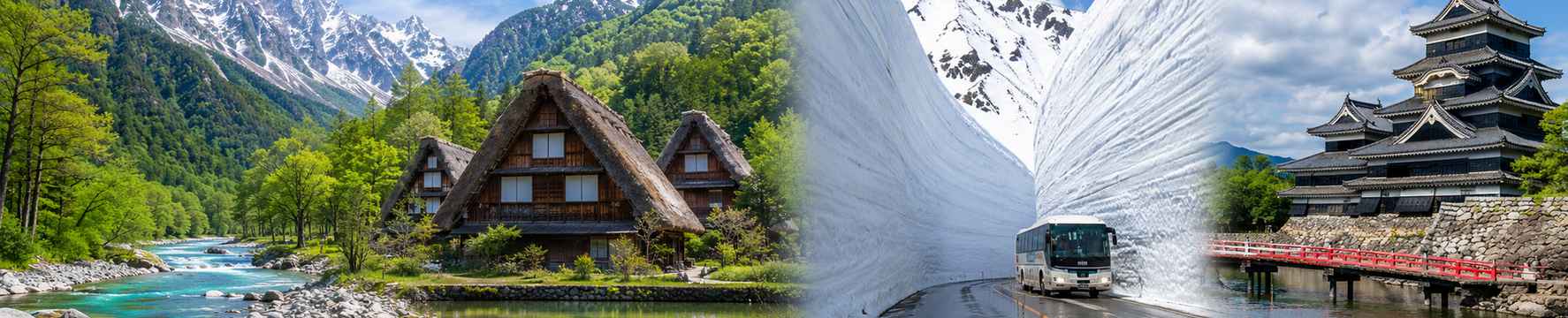
Find the best ryokans in Chūbu, Central Japan’s varied region between Tokyo and Kyoto. This area brings together the Japanese Alps, Mount Fuji views, Izu Peninsula hot springs, Sea of Japan seafood towns, castle cities, and quiet mountain villages. Travelers can choose traditional inns in Nagano and Gifu onsen areas, coastal stays in Shizuoka and Niigata, or cultural bases near Kanazawa, Takayama, Matsumoto, and the Fuji Five Lakes. Chūbu suits guests who want a classic ryokan experience with seasonal scenery, local cuisine, relaxing baths, and easy connections by shinkansen, limited express trains, or scenic mountain routes.
622 ryokan(s) shown out of 622 in this region.
8.1
205 reviews
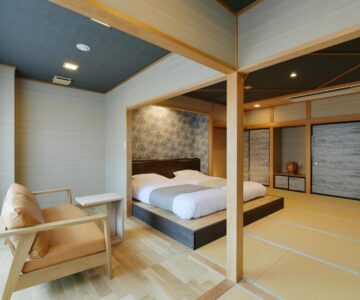
Hanasuishou
This ryokan is a good fit for travelers who want a relaxed Isawa Onsen stay with plenty of included drinks, easy road access, and a softer moder…
8.1
349 reviews
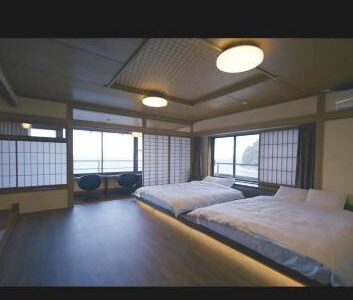
Hokkawa Onsen Hotel
This seaside Higashiizu ryokan offers on-site Japanese set meals centered on fresh local seafood, with a few useful seafood spots nearby.
8.1
2,311 reviews
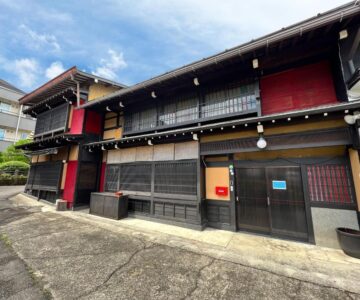
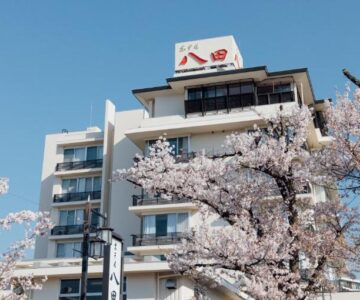
Hostel Murasaki
A characterful budget stay in Takayama set inside a renovated traditional house, with stronger appeal for independent travelers than for guests…
8.1
315 reviews
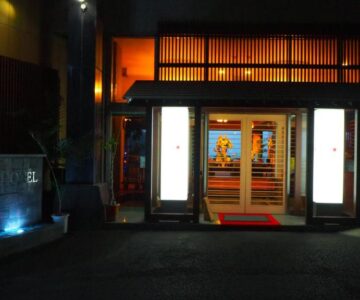
Hotel Hatta
Hotel Hatta is a confirmed Isawa Onsen property in Fuefuki, Yamanashi, and it stands out most for its wine-themed bathing experience and strong…
8.1
81 reviews
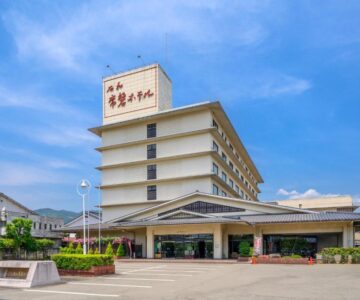
Inatori Akao Hotel
This is a family-friendly oceanfront onsen hotel in Inatori, Higashiizu, Shizuoka, with a strong focus on private baths, sea views, and easygoin…
8.1
718 reviews
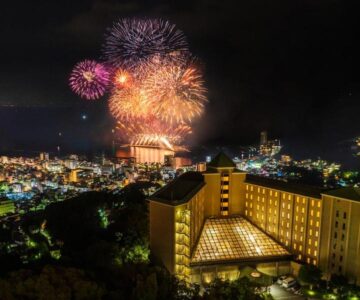
Isawa Tokiwa Hotel
A solid Isawa Onsen stay for travelers who want local Yamanashi food, hot spring bathing, and an easy car-access base rather than a sleek luxury…
8.1
2,656 reviews
KAMENOI HOTEL Atami
A solid Atami onsen resort for travelers who want wide sea-and-city views, family-friendly facilities, and an easy resort-style stay rather than…
8.1
120 reviews
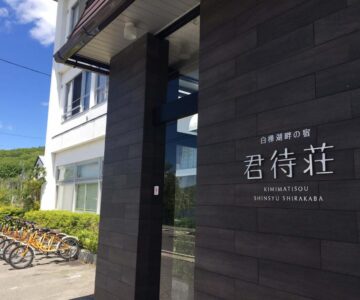
Kimimachisou
A practical lakeside stay by Shirakaba Lake that works well for scenic, budget-conscious trips in the Chino highlands. It is more appealing for…
8.1
162 reviews
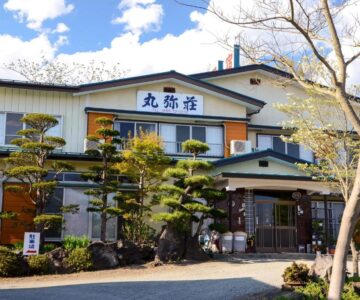
Maruyaso
A budget-friendly, traditional minshuku in Fujikawaguchiko with natural hot-spring baths and possible Mt. Fuji views. It suits travelers who val…
8.1
1,716 reviews
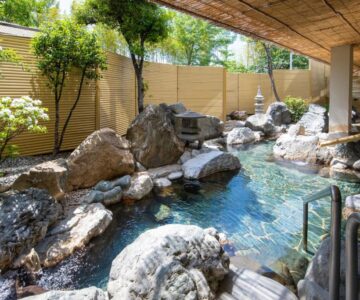
Mt Fuji Hanayagi no Sho Keizan
A sizable onsen ryokan in Isawa Onsen, Hanayagi no Sho Keizan suits travelers who want abundant baths, easy station access, and a full-service t…
8.1
69 reviews
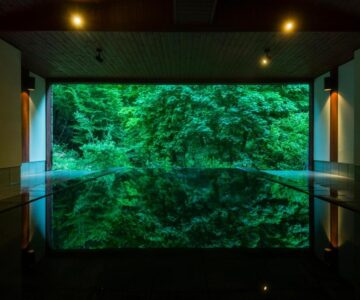
Myojinkan
A high-end forest retreat above Matsumoto, this ryokan stands out for its quiet mountain setting, polished wellness atmosphere, and strong sense…
8.1
60 reviews
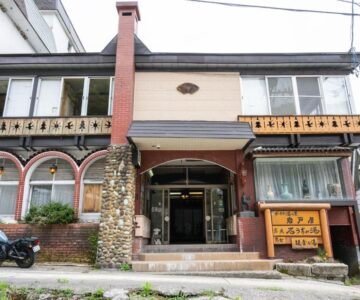
Myoko Tsubame onsen Iwatoya
A strong choice if you want a renovated mountain onsen stay with milky sulfur water and a quiet Tsubame Onsen setting. It is less suitable if yo…
8.1
584 reviews
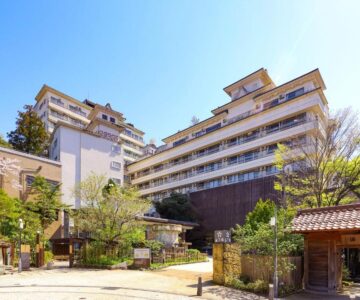
Ooedo Onsen Monogatari Premium Yamashitaya
A good fit for travelers who want a large onsen hotel in Yamashiro Onsen with generous facilities and an easy, low-stress stay. It is less ideal…
8.1
128 reviews
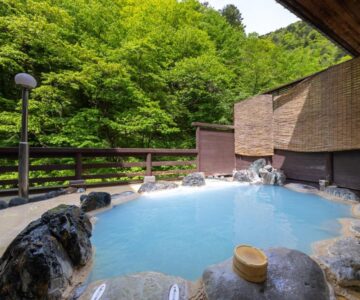
Oyado Tsuruya
A solid pick for travelers who want a traditional stay in Shirahone Onsen with scenic mountain surroundings and easy access to hot-spring bathin…
8.1
212 reviews
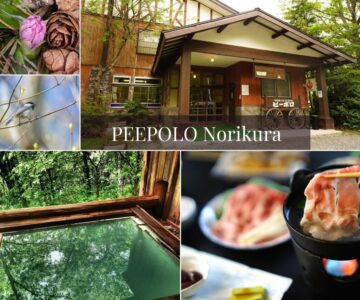
Piporo Norikura
Peeplo Norikura is a nature-focused onsen stay in Norikura Kogen, Matsumoto, best for travelers who want hot-spring bathing, mountain air, and a…
8.1
26 reviews
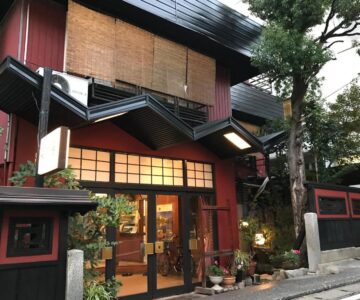
Sakaenoyu Ryokan
This is a small traditional ryokan in Asama Onsen, Matsumoto, best suited to travelers who want an old-school hot spring stay rather than a poli…
8.1
717 reviews
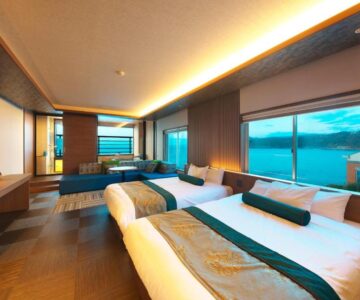
Senoumi
A strong pick if you want an oceanfront Inatori onsen stay with seafood-focused dining and some rooms offering open-air baths. It is less ideal…
8.1
1,198 reviews
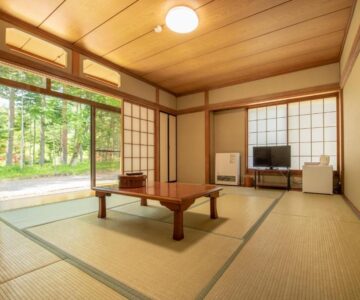
Yamanaka Lake Ryozan
This is a simple lakeside-area ryokan in Yamanakako that suits travelers who want a traditional-style stay with easy car access and a quieter se…
8.1
581 reviews
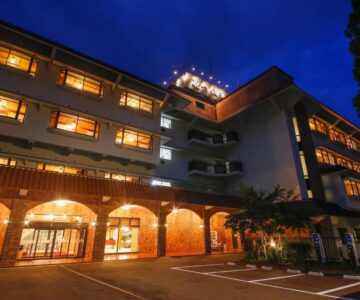
Yamanaka Onsen Hanatsubaki
This is a nature-focused ryokan in Yamanaka Onsen known for its striking multi-bath open-air hot spring area beside the gorge. It suits traveler…
8.0
1 reviews
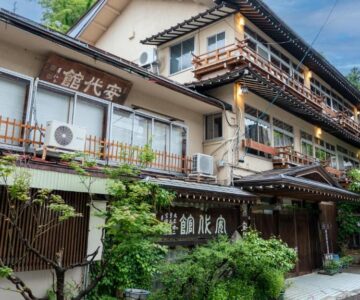
Andaikan
Andaikan is a small traditional hot-spring ryokan in the Yamanouchi onsen area that suits travelers who want a personal, old-school stay with in…

8.0
1,703 reviews
APA Hotel & Resort Kaga Katayamazu Onsen Kasuikyo
A large onsen resort in Katayamazu Onsen, Kaga, that suits travelers who want easy station access, broad facilities, and some lake-view room opt…
8.0
105 reviews
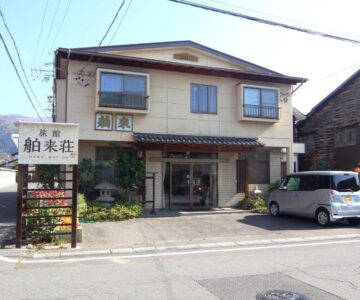
Hakuraiso
Hakuraiso is a simple traditional stay in Matsumoto that looks best for travelers who want a budget-friendly Japanese-style ryokan with warm ser…
8.0
185 reviews
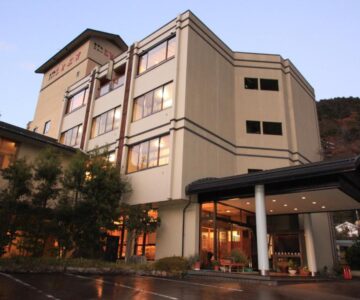
Hotel New Kotobuki
A solid traditional onsen stay in Matsumoto if you want a quieter base with hot-spring bathing and ryokan-style meals rather than a modern city…
8.0
1,207 reviews
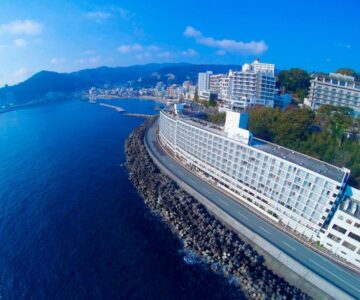
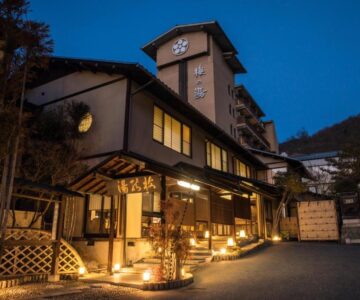
Hotel Resorpia Atami
Hotel Resorpia Atami is a practical seaside onsen stay in Atami with broad bay views and easier station access than many hilltop resorts. It sui…
8.0
18 reviews
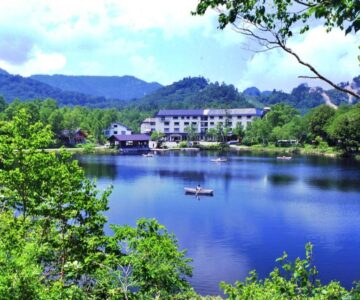
Hotel Umenoyu
A solid traditional onsen stay in Matsumoto’s Asama Onsen, especially if you want a classic ryokan feel without being far from the city’s main s…
8.0
11 reviews
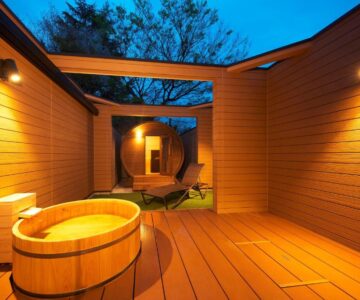
Kidoike Onsen Hotel
A nature-focused onsen hotel in the Kidoike area of Shiga Kogen, best for travelers who want quiet mountain scenery, easy outdoor access, and a…
8.0
638 reviews
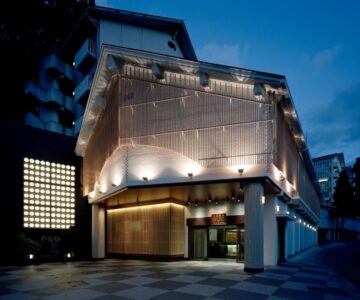
Meitei no Yado Hotel Koshien
A characterful onsen ryokan in Isawa Onsen with a large Japanese garden, notable kaiseki dining, and several bath options. It suits travelers wh…
8.0
32 reviews
Notoya
This is the long-established Notoya in Awazu Onsen, Komatsu, Ishikawa, not another property with the same name elsewhere in Japan. It suits trav…
8.0
1 reviews
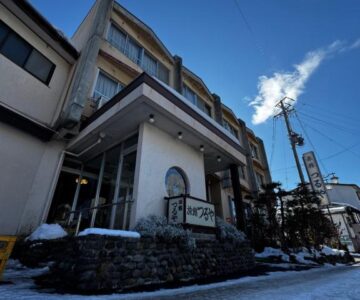
Ryokan Tsuruya
This is a traditional Yudanaka-area ryokan best suited to travelers who want a simple, classic stay centered on authentic hot-spring bathing. It…
8.0
43 reviews
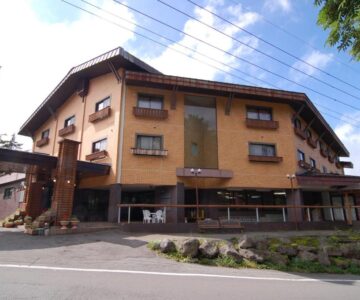
Shiga Ichii Hotel
A practical mountain resort hotel in the Ichinose area of Shiga Kogen, best suited to skiers and outdoor travelers who want easy slope access an…
8.0
1 reviews
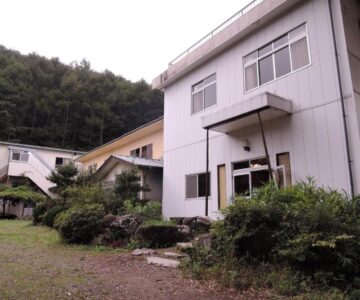
Shintaku Sanso
Shintaku Sanso appears to be a simple minshuku-style stay in Hirasawa, Minamimaki, well placed for the Kiyosato and Yatsugatake highland area. I…
8.0
168 reviews
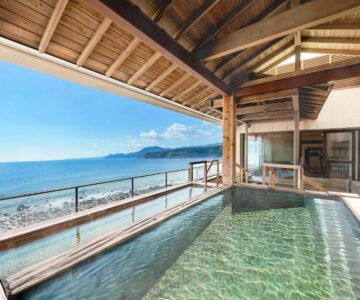
Shinyu no Yado SAZANA
A stylish oceanfront onsen stay in Inatori that feels more modern and resort-like than a classic ryokan. It suits travelers who want sea views,…
8.0
149 reviews
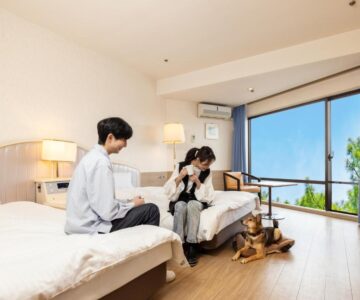
Wan Wan Paradise Izukogen
A practical dog-focused stay in Ito that suits travelers who want easy access to Mt. Omuro area sightseeing and pet-friendly facilities. It is a…
8.0
649 reviews
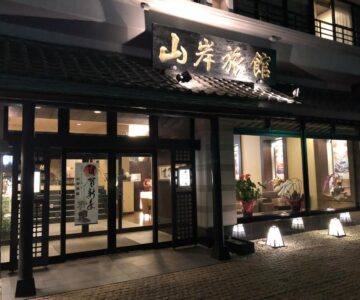
Yamagisi Ryokan
A solid Lake Kawaguchiko ryokan for travelers who want a traditional stay with onsen access and a very convenient sightseeing base. It is more a…
8.0
141 reviews
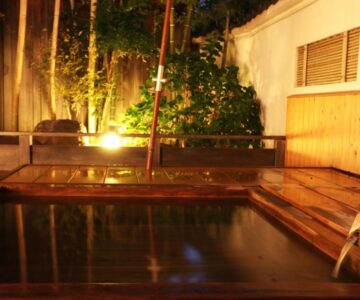
Yanagiya
A traditional onsen ryokan in Kofu’s historic Yumura Onsen, best suited to travelers who want a classic Japanese stay with kaiseki meals and hot…
8.0
112 reviews
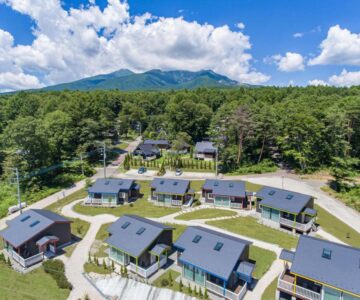
YATSUGATAKE KOGEN RESORT
This is a nature-first cottage resort in Hokuto, Yamanashi, better suited to travelers who want space, self-catering, and a wooded mountain sett…
7.9
44 reviews
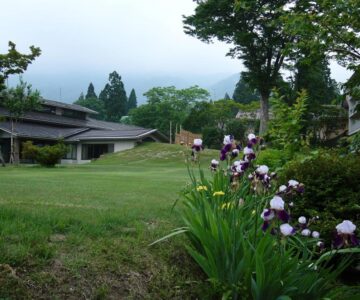
Akakura Hotel
A classic onsen hotel in Akakura Onsen, Myoko, best suited to travelers who value hot springs, ski access, and old-school character over polishe…
7.9
96 reviews
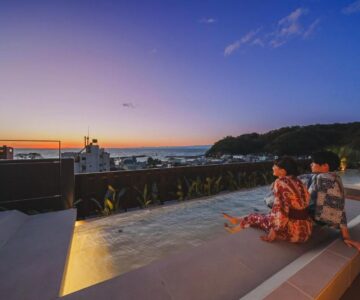
Atarayo Nishiizu Onsen
A stylish Toi Onsen ryokan designed around memorable evenings, with sunset views, in-room hot-spring baths in many categories, and a more modern…
7.9
62 reviews
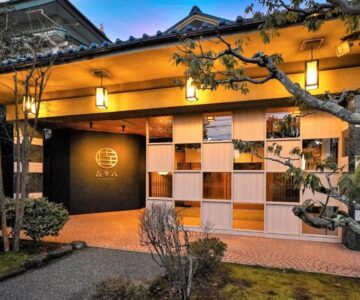
Awazuonsen Kitahachi
A solid pick for travelers who want a traditional Awazu Onsen stay with strong seafood dining and a genuine hot-spring feel. It suits guests see…
7.9
298 reviews
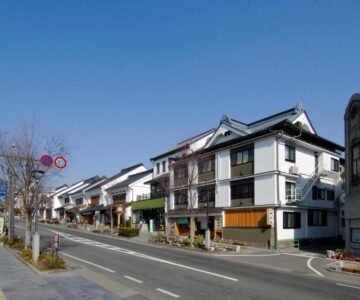
Chuokan Shimizuya Ryokan
A characterful traditional ryokan in Nagano’s Zenkoji area, best for travelers who value atmosphere, history, and walkability over modern hotel…
Top 10 ryokans in Chūbu
Ranking based on overall rating and review volume. Includes this category and its subcategories.
-
🥇 1Sui Suwako10.0/10 · 636 reviews
-
🥈 2Yatsusankan-Children 6 years and older only9.8/10 · 733 reviews
-
🥉 3Kawaguchiko Lakeside Hotel9.7/10 · 1,017 reviews
-
4Sumiyoshiya9.7/10 · 813 reviews
-
5まち宿 壱龍 MACHIYADO ICHIRYU9.7/10 · 582 reviews
-
6黒梅屋 Kurumiya9.7/10 · 510 reviews
-
7Takimi Onsen Inn that only accepts one group per day9.7/10 · 337 reviews
-
8Watei Kazekomichi9.6/10 · 434 reviews
-
9Iroriyado Hidaya9.6/10 · 368 reviews
-
10Yura No Yado Seifuen10.0/10 · 50 reviews
Traveler itineraries including Chūbu
Ryokans from Chūbu appear in 86 public itineraries.
5 days – Mie > Hyogo > Kyoto > Tochigi
3 stops3 days – Fukushima > Wakayama > Nagano
3 stops5 days – Mie > Hyogo > Kyoto > Tochigi
5 stops5 days – Kanagawa > Hyogo > Shizuoka
5 stops5 days – Ishikawa > Miyagi > Niigata > Kyoto
5 stops4 days – Oita > Shizuoka
4 stops5 days – Hokkaido > Kumamoto > Shizuoka > Kyoto
5 stops5 days – Mie > Nagano > Ishikawa > Saga
5 stops4 days – Mie > Nagano > Shizuoka > Kanagawa
4 stops3 days – Ishikawa > Saga > Niigata
3 stopsBest time to visit Chūbu
Chūbu spans snowy Alps, the Sea of Japan coast, and milder Pacific areas, so timing varies by subregion and altitude.
-
JanuaryMixed5/10WeatherDeep winter across the Japan Alps and inland basins; heavy snow in mountain and Sea of Japan areas, colder but generally drier toward the Pacific side.TemperatureDay -2°C - Night -8°CSnow Ice Mountain Access LimitsGood forExcellent onsen and ski season.Watch outSnow can disrupt mountain transport.SeasonSnow season peaks; winter illuminations and ski resorts.TipChoose rail-accessible onsen towns and allow extra time for mountain transfers.Moderate crowds
-
FebruaryMixed5/10WeatherStill very wintry, especially in Nagano, Gifu highlands, and Hokuriku; snow remains abundant in alpine and northern areas.TemperatureDay -1°C - Night -7°CSnow IceGood forReliable snow and cozy ryokan stays.Watch outCold conditions limit sightseeing hours.SeasonWinter festivals and snow scenery continue.TipBest for snow lovers; less ideal for broad regional touring.Moderate crowds
-
MarchGood6/10WeatherA transition month: lowlands begin to soften while mountains stay snowy and some passes remain closed.TemperatureDay 3°C - Night -2°CLate Snow Early BlossomsGood forLower crowds before spring peak.Watch outWeather varies sharply by elevation.SeasonEarly plum blossoms; late ski season in alpine areas.TipMix lowland castle towns with onsen instead of high mountain routes.Moderate crowds
-
AprilExcellent9/10WeatherOne of the best regional months: cherry blossoms spread through lower areas while alpine sites begin reopening.TemperatureDay 10°C - Night 3°CCherry Blossoms Cool NightsGood forBlossoms and fresh spring scenery.Watch outPopular dates book out early.SeasonTakayama Spring Festival; Tateyama Alpine Route opens.TipReserve ryokan early around blossom weekends and festival dates.Busy
-
May Current monthExcellent9/10WeatherComfortable and often clear in many parts of Chūbu; mountain scenery is superb and humidity is still modest.TemperatureDay 15°C - Night 8°CFresh Greenery Snow Walls At AltitudeGood forGreat weather for mixed itineraries.Watch outGolden Week brings major crowds.SeasonGolden Week; Tateyama snow walls; Kamikochi season starts.TipAvoid Golden Week if you want quieter ryokan availability.Busy
-
JuneGood6/10WeatherEarly summer brings greener landscapes, but the rainy season affects many lower and central areas.TemperatureDay 19°C - Night 14°CRainy Season Lush GreeneryGood forGreen landscapes and fewer tourists.Watch outRain can blur mountain views.SeasonHydrangeas and rainy-season greenery.TipGood for onsen and food trips rather than big alpine panoramas.Moderate crowds
-
JulyMixed5/10WeatherWarm to hot and more humid in lowlands; alpine escapes become attractive, but rain and early typhoon influence are possible.TemperatureDay 24°C - Night 19°CHeat Humidity RainGood forHighlands offer cooler escapes.Watch outLowlands can feel hot and humid.SeasonSummer mountain season; some fireworks and local festivals.TipBase in upland resorts or onsen towns to avoid sticky city weather.Busy
-
AugustMixed5/10WeatherHottest month in many lowland parts of Chūbu, while mountain zones remain more pleasant; Obon drives up demand.TemperatureDay 26°C - Night 21°CHeat Humidity Possible TyphoonsGood forBest month for alpine hiking.Watch outHeat, holidays, and higher prices.SeasonObon travel peak; mountain trekking season; fireworks.TipBook far ahead for mountain lodges and ryokan during Obon.Very busy
-
SeptemberGood6/10WeatherLate summer warmth lingers in lower areas, but conditions gradually improve; typhoon risk remains a planning factor.TemperatureDay 22°C - Night 17°CTyphoon Risk Late Summer HeatGood forBetter value after peak holidays.Watch outTyphoons can disrupt plans.SeasonEarly autumn in higher elevations.TipKeep plans flexible if using buses or mountain routes.Moderate crowds
-
OctoberExcellent9/10WeatherA top month across much of Chūbu with crisp air, lower humidity, and strong foliage progression from mountains to towns.TemperatureDay 15°C - Night 8°CAutumn Foliage Clear SkiesGood forSuperb foliage and comfortable weather.Watch outPopular weekends fill quickly.SeasonTakayama Autumn Festival; peak alpine foliage.TipIdeal for scenic ryokan stays, especially in alpine and historic towns.Busy
-
NovemberExcellent8/10WeatherCool, often clear, and highly scenic; autumn colors continue in many lower areas while higher zones turn wintry.TemperatureDay 9°C - Night 2°CLate Foliage Cold Nights Seasonal Closures BeginGood forLate foliage and quieter atmosphere.Watch outSome mountain sites start closing.SeasonLate autumn leaves; Kamikochi closes mid-November.TipBest for lower-elevation foliage, food, and ryokan baths.Moderate crowds
-
DecemberGood6/10WeatherWinter arrives quickly in the Alps and Hokuriku, with snow building, while some Pacific-side cities stay relatively manageable.TemperatureDay 3°C - Night -3°CEarly Snow ColdGood forOnsen season begins beautifully.Watch outShort days and colder travel.SeasonEarly ski openings and winter illuminations.TipGood for hot-spring stays; check seasonal transport before mountain travel.Moderate crowds
How long to stay in Chūbu
Because Chūbu is a large multi-prefecture region, most travelers should focus on one corridor rather than trying to cover everything in one trip.
Five to seven nights lets you combine a historic town or city, one or two ryokan or onsen stays, and either alpine scenery, coast, or cultural stops without rushing.
Short sampler
3 to 4 nightsOne subregion such as Nagano, Takayama area, or Hokuriku
Works best if you stay within one rail or road corridor and include one ryokan night.
Avoid trying to cross the whole region.
Balanced first trip
5 to 7 nightsScenery, ryokan, culture, and food
Enough time for a city gateway, an onsen stay, and either mountain or coastal sightseeing.
Best overall length for most travelers.
Deeper regional trip
8 to 10 nightsMultiple subregions and slower travel
Lets you combine the Alps, historic towns, and a second onsen or coastal base.
Good if you want scenic trains, hikes, and festival timing.
- Prioritize one subregion because travel times across Chūbu can be long.
- Mountain routes and alpine attractions are strongly seasonal.
- Ryokan and resort areas book out early in blossom, foliage, ski, and holiday periods.
- A car helps in rural areas, but rail is better for major corridors and winter conditions.
Annual events in and around Chūbu
As a broad region, Chūbu’s best-known events are spread across multiple prefectures, so monthly examples vary in proximity depending on your base.
Nozawa Fire Festival
Nozawa Onsen, Nagano
A dramatic traditional fire festival and one of Japan’s best-known winter rites.
Excellent if your trip includes northern Nagano in mid-January.
Winter events are concentrated in snowy subregions rather than across all of Chūbu.
Nakao Kamakura Festival
Shinhotaka Onsen, Gifu
Snow huts, folk performances, and winter atmosphere in an onsen setting.
Best for Takayama and Okuhida winter itineraries.
Snow festivals are region-specific and weather-dependent.
Few major region-wide events
Across Chūbu
March is more of a transition season, with local plum and early spring events varying by area.
Choose destinations for scenery and onsen rather than major festivals.
Named events vary greatly by prefecture and are less regionally iconic this month.
Takayama Spring Festival
Takayama, Gifu
One of Japan’s most famous float festivals, marking spring in the old town.
A top cultural reason to visit Chūbu in April.
Tateyama Kurobe Alpine Route opening
Toyama to Nagano
The alpine route reopens with the famous snow corridor season.
Ideal for dramatic late-snow scenery.
Kamikochi opening season
Matsumoto, Nagano
This celebrated alpine valley reopens after winter closure.
Great for fresh spring mountain scenery.
April is one of the strongest months for iconic Chūbu seasonal openings and festivals.
Golden Week travel season
Across Japan and Chūbu
A major domestic holiday period with crowded transport and lodging.
Avoid for quieter ryokan trips unless booked far ahead.
Seasonal openings and natural highlights often matter more than named festivals in May.
Few major seasonal events
Across Chūbu
Rainy-season greenery becomes the main draw in many areas.
Good for quieter onsen stays and hydrangea season.
June is driven more by climate than major flagship festivals at regional level.
Few major seasonal events
Across Chūbu
Summer mountain travel and local fireworks begin, but specifics vary by prefecture.
Prioritize cooler highland bases.
There are many local events, but no single region-defining July event fits all of Chūbu reliably.
Obon travel period
Across Japan and Chūbu
A major holiday season with heavy bookings and crowded transport.
Book early or avoid peak dates.
Summer festivals and fireworks are widespread but very location-specific.
Few major seasonal events
Across Chūbu
Early autumn color starts in higher elevations, but typhoon risk remains.
Good for flexible shoulder-season trips.
Natural season change matters more than a single flagship regional event.
Takayama Autumn Festival
Takayama, Gifu
The autumn counterpart to the spring festival, famous for ornate floats.
One of Chūbu’s strongest autumn cultural events.
October is one of the most rewarding months for both foliage and major festivals.
Kamikochi seasonal closing
Matsumoto, Nagano
The alpine valley closes for winter after the autumn season.
Visit earlier in the month if you want one last mountain stay.
Late foliage remains important, but closures begin in high-altitude areas.
Few major seasonal events
Across Chūbu
Early ski openings and winter illuminations shape travel more than region-wide festivals.
Best for onsen and snow-season starts.
December appeal depends strongly on whether you want snow, skiing, or hot springs.
Practical Chūbu Ryokan FAQ for Choosing the Right Stay
Which ryokan in Chūbu is best for a romantic private onsen stay?
Sui Suwako is the strongest romantic pick if private bathing is the priority. Every room has its own open-air bath facing Lake Suwa, and the inn is tiny, quiet, and clearly couples-focused. As an alternative, Watei Kazekomichi suits couples who want private in-room hot spring baths with Atami bay views, but it is less convenient on foot and has stairs only.
Choose Sui Suwako for lakefront intimacy and easier rail access; choose Watei Kazekomichi for sea-view atmosphere and a more classic Atami retreat feel.
Where should I stay in Chūbu for a traditional onsen ryokan near Jigokudani Snow Monkey Park?
Jinpyōkaku Honten is the clearest fit if the Snow Monkey Park is central to your trip. It is in quiet Kanbayashi Onsen, close to the park approach, and offers a historic small-ryokan atmosphere with true hot spring character. As an alternative, Yura No Yado Seifuen is also a calm Nagano onsen stay, but it is better for Hirugami village downtime than for monkey-park access.
Pick Jinpyōkaku Honten for monkey park access and old-world atmosphere; pick Yura No Yado Seifuen for a quieter mountain-village onsen break with less sightseeing pull.
What is the best Kanazawa ryokan in Chūbu for walking to Omicho Market and the main sights?
Sumiyoshiya is the most practical Kanazawa choice for Omicho Market access. It sits right by the market and keeps you within walking reach of Kanazawa Castle, Kenroku-en, and other central sights. Tsurukō is the better luxury alternative if you want oversized suites, in-room dining, and private baths, but it is much more expensive and more formal in style.
Choose Sumiyoshiya for classic city-ryokan value and walkability; choose Tsurukō for a food-led luxury stay with much more privacy.
Which Chūbu ryokan is best for Takayama old town access without losing ryokan character?
まち宿 壱龍 MACHIYADO ICHIRYU is the strongest Takayama choice if you want both old-town access and a more refined stay. It is walkable from Takayama Station and close to the historic streets, while every room includes a semi-open-air bath. As an alternative, Yatsusankan is better for travelers who want deeper historic atmosphere in Hida Furukawa instead of central Takayama convenience.
Pick ICHIRYU for central Takayama and private bath comfort; pick Yatsusankan for a quieter heritage-town stay with stronger old-ryokan character.
Which ryokan in Chūbu is best for in-room kaiseki dining and a special-occasion stay?
Tsurukō is the clearest special-occasion pick for in-room kaiseki. It has only four suites, each with an open-air hot spring bath, and the stay centers on serious Kanazawa cuisine served privately. Sui Suwako is the more intimate alternative if you prefer private dining with lake views and a smaller-scale couples feel, but it is built more around onsen scenery than city sightseeing.
Choose Tsurukō for a food-led Kanazawa splurge; choose Sui Suwako for private dining plus easier lakeside onsen relaxation.
Which Chūbu ryokan is best for a quiet mountain onsen retreat rather than city sightseeing?
Nakaodaira is the strongest fit if you want a secluded mountain onsen stay. It offers six private baths, forest surroundings, and strong access to the Shinhotaka area, so the stay is about scenery and soaking rather than town life. Keikoku no Yu is the better alternative for travelers who want Shiga Kogen's milky sulfur baths and ski or alpine access, but it is even more remote.
Choose Nakaodaira for private-bath flexibility and owner-run calm; choose Keikoku no Yu for sulfur baths and a stronger ski or highland focus.
Which ryokan in Chūbu works best without a car?
Sumiyoshiya is the safest no-car choice because it is in central Kanazawa, with straightforward access from Kanazawa Station by bus or taxi and excellent walkability once you arrive. Sui Suwako is also car-free friendly thanks to JR Kamisuwa access and a limited shuttle, but it works best as a short lakeside onsen stop rather than a full city sightseeing base. Some rural properties need much more transfer planning.
Pick Sumiyoshiya for the easiest walkable city stay; pick Sui Suwako if you mainly want a short scenic onsen break with manageable rail access.
Which ryokan in Chūbu is best for a luxury small-inn experience with very few rooms?
Tsurukō is the strongest answer if you want true small-inn luxury. It has only four suites, private open-air baths, in-room dining, and a highly exclusive Kanazawa feel. Kanazawa Yuwaku Onsen Kokarian is the better alternative if you want a mountain onsen hideaway with only four rooms and private in-room baths, but it is outside the city and less convenient for sightseeing.
Choose Tsurukō for urban luxury and top-tier dining; choose Kokarian for a quieter adult-style onsen retreat outside central Kanazawa.
What is the best Chūbu ryokan for Mount Fuji views near Lake Yamanaka or Lake Kawaguchi?
Haku Fuji Yamanakako is the strongest pick if your stay is built around Fuji views and a private, design-led experience. It pairs lakefront scenery with private baths and food-focused stays. Kawaguchiko Lakeside Hotel is the more practical alternative if you want easier access to Lake Kawaguchi sightseeing and a simpler onsen stop, but it is less distinctive and more modest overall.
Choose Haku Fuji Yamanakako for a special scenic stay; choose Kawaguchiko Lakeside Hotel for a more straightforward base near popular lake sights.
Which ryokan in Chūbu is best for a quiet historic town atmosphere instead of a big resort?
Yatsusankan is the best match for travelers who want a calm historic-town mood. It sits in Hida Furukawa, has strong heritage character, and is easy to reach from the station while staying quieter than Takayama. Sumiyoshiya is the better alternative if you want a traditional city ryokan in lively Kanazawa near markets and major sights, but it feels less secluded and is not an onsen retreat.
Pick Yatsusankan for heritage-town calm and deeper traditional atmosphere; pick Sumiyoshiya for city convenience with classic ryokan character.