

Explore the best ryokans in Chūgoku, the western Honshu region spanning Hiroshima, Okayama, Shimane, Tottori, and Yamaguchi. This area suits travelers who want classic Japanese hospitality with a quieter, more local atmosphere than Japan’s busiest resort regions. Stay near the Seto Inland Sea for island views and access to Miyajima, Onomichi, and historic port towns, or head to the San’in coast for Tottori Sand Dunes, Matsue, Izumo Taisha, and rugged seaside scenery. Chūgoku also offers respected onsen areas such as Miyahama, Tamatsukuri, Misasa, Yunogo, and Yuda, ideal for slow ryokan stays, regional cuisine, and cultural touring.
45 ryokan(s) shown out of 45 in this region.
 6.8
52 reviews
6.8
52 reviews
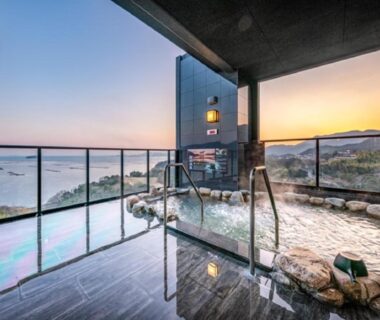
LiVEMAX RESORT Aki Miyahama Onsen
This is a seaside hot-spring resort in Miyahama Onsen, Hatsukaichi, positioned well for travelers who want ocean views and easy access to the Mi…
 6.5
130 reviews
6.5
130 reviews
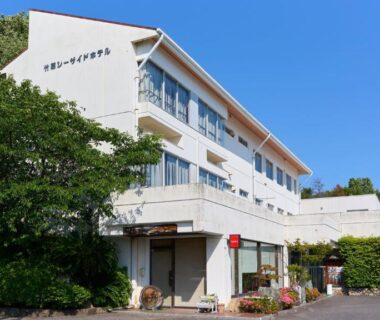
Tabist Setouchinoyado Takehara Seaside
A practical seaside stay in Tadanoumi with broad Seto Inland Sea views and convenient access for Okunoshima visitors. It suits travelers who val…
 4.2
2 reviews
4.2
2 reviews
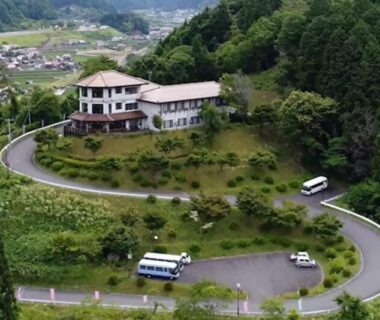
Green Spa Tsutsuga
A countryside onsen stay in Akiota, Hiroshima, Green Spa Tsutsuga suits travelers who want mountain scenery, a soothing bath, and easy car acces…
 -
No overall rating yet
-
No overall rating yet
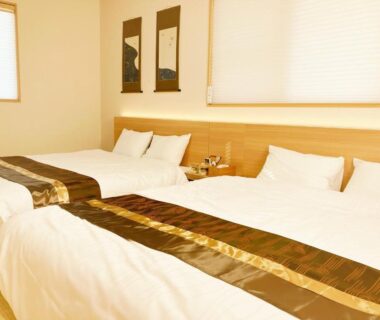
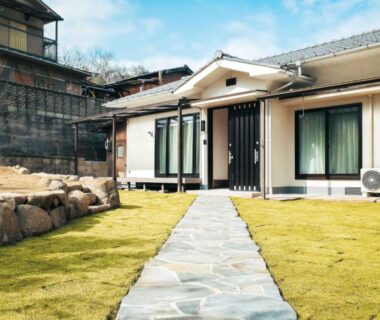
Private stay MIYAJIMA tonbo-AND
This is a private-stay style ryokan on Miyajima with an unusually central location near the island’s main sights and the convenience of a full h…
 -
No overall rating yet
-
No overall rating yet
“ヒトツル”Hitotsuru in Setouchi
This Momojima ryokan appears to offer two-meal stays with a Japanese course dinner or garden barbecue, plus a nearby island art cafe for light d…
Top 10 ryokans in Chūgoku
Ranking based on overall rating and review volume. Includes this category and its subcategories.
-
🥇 1Oyado Tsukiusagi9.8/10 · 210 reviews
-
🥈 2Itsumoya9.9/10 · 79 reviews
-
🥉 3ITSUKUSHIMA IROHA9.5/10 · 512 reviews
-
4Azumi Setoda9.5/10 · 243 reviews
-
5Itsukushimahigashimonzen Kikugawa9.4/10 · 899 reviews
-
6Ryokan Onomichi Nishiyama9.5/10 · 102 reviews
-
7Jukeiso9.3/10 · 1,540 reviews
-
8Iwaso9.3/10 · 1,298 reviews
-
9Onomichi Hansei9.3/10 · 137 reviews
-
10Suminoe Ryokan9.2/10 · 569 reviews
Traveler itineraries including Chūgoku
Ryokans from Chūgoku appear in 10 public itineraries.
4 days – Hyogo > Chiba > Hiroshima > Shizuoka
4 stops3 days – Gunma > Hiroshima > Nagano
3 stops2 days – Hiroshima > Shizuoka
2 stops4 days – Fukushima > Saga > Gunma > Miyajima
4 stops4 days – Kanagawa > Gunma > Miyajima
4 stops2 days – Miyajima > Tokyo-to
2 stops2 days – Miyajima > Shizuoka
2 stops5 days – Shizuoka > Tochigi > Hiroshima > Kumamoto
5 stops4 days – Miyajima > Kyoto > Oita > Nara
4 stops6 days – Nagano > Oita > Hiroshima > Yamanashi
6 stopsBest time to visit Chūgoku
Spring and autumn are the most reliable seasons across this diverse western Honshu region.
-
JanuaryMixed5/10WeatherCold winter across the region; inland mountains and the San'in side can see snow, while the Seto Inland Sea side is generally sunnier and drier.TemperatureDay 3°C - Night -2°CCold Snow Possible Clearer SetouchiGood forGood crab, oysters, and hot-spring stays.Watch outSnow and wind can disrupt northern travel.SeasonWinter crab season; snowy Daisen landscapes.TipChoose ryokan with onsen and focus on Hiroshima, Okayama, or coastal winter food trips.Low crowds
-
FebruaryMixed5/10WeatherStill cold, with snow risk lingering on the Sea of Japan side and in higher elevations; southern urban areas stay easier to tour.TemperatureDay 4°C - Night -1°CCold Snow PossibleGood forSeasonal festivals and onsen weather.Watch outCold limits mountain and coastal sightseeing.SeasonSaidaiji Eyo Hadaka Matsuri in Okayama.TipGreat for a culture-plus-onsen trip, but keep plans flexible if using mountain roads.Moderate crowds
-
MarchGood7/10WeatherEarly spring arrives unevenly; days grow milder, but northern coasts and uplands can still feel wintry at times.TemperatureDay 8°C - Night 1°CCool Early Spring VariableGood forMilder weather and fewer peak-season crowds.Watch outBlossoms and temperatures are not consistent.SeasonEarly spring flowers; cherry blossom season begins late.TipBest for flexible itineraries spanning gardens, castle towns, and ryokan before April crowds.Moderate crowds
-
AprilExcellent9/10WeatherComfortable spring weather across most of Chugoku, with cherry blossoms peaking from late March into April depending on area and elevation.TemperatureDay 13°C - Night 6°CMild Cherry BlossomsGood forBest cherry blossoms and easy sightseeing.Watch outPopular spots book up quickly.SeasonCherry blossoms across castles, gardens, and riverbanks.TipOne of the best months for ryokan stays combining gardens, shrines, and scenic walks.Busy
-
MayExcellent9/10WeatherWarm, pleasant, and relatively comfortable before the rainy season, with good conditions for both city sightseeing and nature outings.TemperatureDay 18°C - Night 11°CWarm ComfortableGood forComfortable weather for gardens and island trips.Watch outGolden Week drives heavy holiday demand.SeasonHiroshima Flower Festival and fresh green scenery.TipGo outside Golden Week for one of the region's easiest all-round travel months.Busy
-
JuneMixed6/10WeatherRainy season usually begins, bringing higher humidity and more overcast days, though lush greenery becomes especially vivid.TemperatureDay 22°C - Night 16°CRainy Season Humid Lush GreeneryGood forHydrangeas and greener landscapes.Watch outRain can blur views and outdoor plans.SeasonRainy season greenery; hydrangea displays.TipChoose ryokan with strong indoor appeal, onsen, and flexible day plans.Low crowds
-
JulyMixed6/10WeatherHotter and more humid as the rainy season tapers off; conditions vary, but heat becomes a major factor across much of the region.TemperatureDay 26°C - Night 21°CHot Humid Rainy Early MonthGood forLively summer festivals and coastal scenery.Watch outHeat and humidity can be tiring.SeasonMiyajima Kangen-sai and summer festival season.TipBase near water or higher ground and schedule sightseeing early or late in the day.Moderate crowds
-
August Current monthLess ideal4/10WeatherHottest month, often humid and stormy at times, with Obon travel peaks and possible typhoon impacts later in the month.TemperatureDay 28°C - Night 23°CVery Hot Humid Typhoon RiskGood forBig festivals and beach weather.Watch outObon crowds, heat, and typhoon risk.SeasonHiroshima Peace Memorial Ceremony; Tottori Shanshan Festival.TipBook well ahead for Obon and keep transport plans flexible for weather changes.Very busy
-
SeptemberMixed6/10WeatherStill warm and humid early on, then gradually more comfortable; typhoon risk remains, especially during the first half of the month.TemperatureDay 24°C - Night 19°CWarm Humid Early Typhoon RiskGood forSlightly calmer after peak summer.Watch outTyphoons can affect trains and ferries.SeasonEarly autumn transition; some local lantern events.TipA reasonable value month if you can accept weather uncertainty.Moderate crowds
-
OctoberExcellent9/10WeatherOne of the most comfortable months, with lower humidity, clearer skies, and early autumn color starting in higher elevations.TemperatureDay 18°C - Night 11°CComfortable Drier Early FoliageGood forComfortable weather for broad regional travel.Watch outAutumn weekends can be busy.SeasonMatsue Suitoro lantern season; early foliage on Daisen.TipExcellent for combining San'in culture, Setouchi scenery, and ryokan stays in one trip.Busy
-
NovemberExcellent9/10WeatherCool, crisp, and scenic, with autumn leaves at many famous sites and seasonal seafood improving as temperatures drop.TemperatureDay 12°C - Night 5°CCool Autumn Foliage ClearGood forPeak autumn foliage and seasonal food.Watch outPopular leaf spots can get crowded.SeasonHagi Jidai Matsuri and peak autumn colors.TipA top month for temple walks, garden views, and ryokan dinners featuring regional seafood.Busy
-
DecemberGood7/10WeatherLate autumn gives way to winter; the north and mountains turn colder quickly, while southern cities remain manageable for sightseeing.TemperatureDay 7°C - Night 1°CCold Winter StartGood forWinter seafood and quieter sightseeing.Watch outShort days and colder northern weather.SeasonSnow crab, oysters, and winter illuminations.TipGood for quieter onsen and food-focused trips, especially before year-end transport rush.Moderate crowds
How long to stay in Chūgoku
Because Chūgoku spans five prefectures and two very different coasts, the right stay depends heavily on pace and transport.
Five to seven nights works best for most ryokan travelers, giving enough time for Hiroshima or Okayama plus at least one San'in or onsen stay.
Quick sampler
3 to 4 nightsFirst-time visitors focusing on one hub and one ryokan stay
Best if you center on Hiroshima, Okayama, or Matsue and avoid trying to cover the whole region.
Choose one main city plus Miyajima, Kurashiki, or an onsen town.
Balanced regional trip
5 to 7 nightsMost travelers wanting culture, scenery, food, and ryokan
This length allows two or three bases and a realistic mix of Setouchi and San'in experiences.
Combine Hiroshima or Okayama with Miyajima, Kurashiki, Matsue, Izumo, or Daisen-area onsen.
Deep exploration
8 to 10 nightsRepeat visitors, drivers, and slower travelers
Useful for including Yamaguchi, Tottori, mountain areas, islands, and multiple ryokan nights without rushing.
Consider a rail-and-car mix for better access to rural inns and coastal areas.
- The region is broad, so avoid changing hotels every night.
- Rail access is strongest on the Sanyo corridor; rural San'in travel is slower.
- A car helps for mountain ryokan, onsen towns, and scenic coast routes.
- If traveling in winter or typhoon season, leave buffer time for weather disruption.
Annual events in and around Chūgoku
These are recurring named events in the wider Chūgoku region; exact annual dates can vary.
Few major regional events
Across Chūgoku
January is more notable for New Year shrine visits, winter seafood, and onsen travel than for one dominant region-wide festival.
Best for food and ryokan stays rather than event chasing.
Winter conditions vary widely between San'in and Setouchi.
Saidaiji Eyo Hadaka Matsuri
Okayama City, Okayama
A famous temple festival in which participants compete for sacred sticks believed to bring good fortune.
One of Chūgoku's standout winter festivals; book early if staying nearby.
Exact yearly scheduling should always be rechecked.
Few major regional events
Across Chūgoku
March is better known for the early spring travel season and the approach of cherry blossom viewing.
Prioritize gardens, castle towns, and seasonal landscapes.
March event prominence is lower than the flower season itself.
Cherry blossom season
Across Chūgoku
Castles, riversides, and gardens across the region draw visitors for spring blossoms.
Ideal for scenic ryokan trips, though bloom timing shifts yearly.
Seasonal rather than single-event focused month.
Hiroshima Flower Festival
Hiroshima City, Hiroshima
A major Golden Week festival with parades and many performances in central Hiroshima.
Excellent if you want a lively city festival, but reserve accommodation early.
Golden Week raises prices and crowd levels across parts of the region.
Few major regional events
Across Chūgoku
June is usually shaped more by the rainy season and hydrangeas than by major widely known regional festivals.
Choose destinations with strong indoor culture and onsen appeal.
Rain may affect outdoor sightseeing.
Miyajima Kangen-sai
Miyajima, Hiroshima
A traditional ritual performance associated with Itsukushima Shrine, held on the water and shore around Miyajima.
A strong choice for travelers combining Hiroshima with a cultural island stay.
The date follows the lunar calendar tradition and shifts by year.
Hiroshima Peace Memorial Ceremony
Hiroshima City, Hiroshima
A solemn annual ceremony honoring the atomic bomb victims and praying for peace.
Important and moving, but expect crowds and a reflective atmosphere.
Tottori Shanshan Festival
Tottori City, Tottori
A colorful Obon-period festival known for umbrella dances and the sound of ringing bells.
Great for travelers exploring the San'in side in summer.
Obon makes transport and lodging busier across the region.
Matsue Suitoro
Matsue, Shimane
Lantern-lit evenings around Matsue's historic districts create a memorable autumn atmosphere.
Pair with a Matsue or Tamatsukuri Onsen ryokan stay.
Start timing varies by year.
Matsue Suitoro
Matsue, Shimane
Historic streets and waterways are illuminated with lanterns during this atmospheric seasonal event.
Excellent for castle-town evenings and slow ryokan travel.
A strong autumn culture month, especially in Shimane.
Hagi Jidai Matsuri
Hagi, Yamaguchi
A historical festival with a procession celebrating Hagi's samurai-era heritage.
Well suited to autumn travelers interested in castle towns and history.
November is also prime foliage season across much of Chūgoku.
Few major regional events
Across Chūgoku
December travel is more about winter food, onsen, and quieter end-of-year sightseeing than headline festivals.
Go for relaxed ryokan stays and seasonal seafood.
Late December can become busy around holiday travel dates.
Practical ryokan FAQs for choosing where to stay in Chūgoku
Which ryokan in Chūgoku is best for a classic Miyajima island overnight with shrine access and a real ryokan feel?
Kinsuikan is the strongest fit if you want a classic Miyajima ryokan stay with on-site hot spring baths, strong dining, and easy walking access to the shrine area. It suits travelers who want island atmosphere after day-trippers leave. As an alternative, Iwaso is better if you care more about historic character and the Momijidani setting, but the walk from the pier is less convenient and it is usually more of a splurge.
Choose Kinsuikan for easier shrine-area convenience; choose Iwaso for heritage atmosphere and a more secluded setting.
Where should I stay in Chūgoku for a private in-room onsen near Miyajima rather than on the island itself?
Miyajima Hanare no Yado IBUKU is the clearest choice if your priority is a private hot spring bath in the room. It is on the mainland in Miyahama Onsen, so it works well for couples who want a quiet adults-leaning stay and can visit Miyajima as a side trip. As an alternative, Sekitei is more exclusive and garden-focused, but it is pricier and not every room has the same sea-view payoff.
Pick IBUKU for in-room onsen value and calm; pick Sekitei for a higher-end garden retreat near Miyajima.
Which Chūgoku ryokan is best for hot spring baths with the easiest access to the Miyajima ferry?
Ryokan with natural hot springs and okonomiyaki Miyajima-an Hiroshima is the most practical if you want a mainland hot spring stay close to the ferry side. It is in Miyajimaguchi, so you avoid island luggage logistics while staying near the gateway to Miyajima. Miyahama Grand Hotel is the better alternative if you want broader bath facilities and more of a traditional onsen-hotel feel, but it is less convenient by public transport.
Choose Miyajima-an for ferry convenience; choose Miyahama Grand Hotel for a fuller onsen stay with more resort-style features.
What is the best ryokan in Chūgoku near Itsukushima Shrine on Miyajima?
Itsukushima Iroha is a strong pick if you want to stay very close to Itsukushima Shrine while keeping a refined ryokan atmosphere, sea-facing appeal, and strong dining. It is especially good for travelers who want a polished one-night island stay. Jukeiso is the better alternative if your priority is shrine-and-torii views from a more traditional hillside inn, but the uphill location is less convenient with luggage.
Go with Iroha for boutique polish and easier access; choose Jukeiso for memorable views and a more classic island-ryokan mood.
Which ryokan in Chūgoku is best near Hiroshima Peace Memorial Park or the Atomic Bomb Dome?
Hiroshima no Yado Aioi is the clearest choice if your trip centers on Peace Memorial Park and the Atomic Bomb Dome. Its location is the main advantage, and some rooms even face the Dome area. It suits travelers who want a traditional Japanese-style city stay rather than a resort. As an alternative, Kabukiya is better for whole-house privacy near Hiroshima Station, but it is not as strong for immediate memorial-site access.
Choose Aioi for Peace Park location; choose Kabukiya if station access and private-use space matter more.
Which Chūgoku ryokan is best for Setoda and the Shimanami Kaido: Azumi Setoda or Suminoe Ryokan?
Azumi Setoda is the better fit if you want a design-led luxury stay in central Setoda with refined dining and a polished base for the Shimanami Kaido. Suminoe Ryokan is the better choice if you want a more traditional, lower-key Setoda stay with strong local seafood character and easier value for cyclists or slower island travel. The key limitation is that neither is a classic onsen-resort stay.
Book Azumi for upscale design and comfort; book Suminoe for traditional character and a more relaxed, practical stopover.
Where should couples stay in Chūgoku for a romantic ryokan with privacy and atmosphere?
Sekitei is the strongest couples’ choice if you want privacy, detached rooms, garden scenery, and a more exclusive luxury-ryokan mood near Miyajima. It is best for travelers who plan to slow down and enjoy the stay itself. As an alternative, Miyajima Hanare no Yado IBUKU works well for couples who specifically want a private in-room hot spring bath, but it is less of a grand occasion property than Sekitei.
Choose Sekitei for a premium romantic retreat; choose IBUKU for private in-room bathing and a quieter mainland base.
Which ryokan in Chūgoku is easiest without a car, especially for a short Miyajima stay?
Oyado Tsukiusagi is the easiest choice without a car if you want a very short Miyajima stay. It is right by the ferry area, so arrival and departure are unusually simple. The tradeoff is that it is a small, limited-service stay and not an onsen-focused ryokan. Sakuraya is the better alternative if you want a little more flexibility and still want easy pier access, but dining is limited and room types vary more.
Pick Tsukiusagi for the shortest, simplest arrival; pick Sakuraya if you want a practical pier-side base with a bit more room choice.
What is the best Chūgoku ryokan for food lovers who care most about dinner and local specialties?
Ryokan Onomichi Nishiyama is the strongest food-led choice if dinner is central to your stay. It stands out for refined Setouchi-focused cuisine in a heritage setting and works best as a one- or two-night retreat. As an alternative, Kinsuikan is better if you want strong cuisine combined with a classic Miyajima island ryokan experience and hot spring baths. Pricing can be a limitation for both, especially on peak dates.
Choose Onomichi Nishiyama for a dining-first retreat; choose Kinsuikan if you want food plus a fuller Miyajima ryokan experience.
Which ryokan in Chūgoku is best for a distinctive historic-town stay outside Miyajima?
NIPPONIA HOTEL Takehara Saltworks Town is the best fit if you want to sleep inside a preserved historic district and care more about architecture, atmosphere, and a polished heritage stay than about onsen. It works especially well for one night in Takehara. Tomonoura Shiomachi Hotel is the better alternative if you prefer a preserved port-town setting with more sea-town character, but its split-site logistics are less straightforward.
Pick NIPPONIA for a quiet merchant-town heritage stay; choose Tomonoura Shiomachi Hotel for harbor atmosphere and a more coastal old-town mood.