
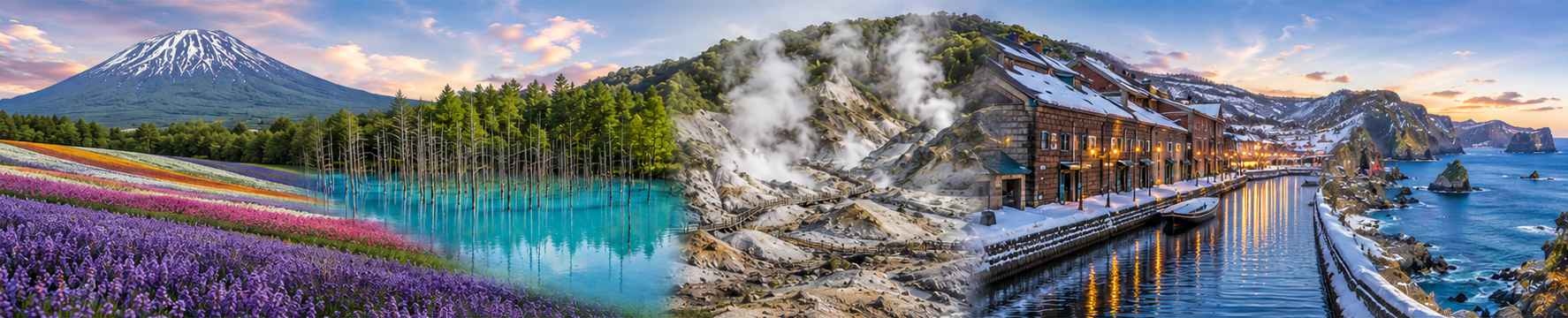
Discover ryokans in Hokkaidō, Japan’s northern island of wide skies, volcanic hot springs, lakes, coastlines, and deep winter scenery. Stays range from convenient onsen inns near Sapporo’s Jōzankei and Hakodate’s Yunokawa to quieter retreats around Lake Shikotsu, Otaru’s Asarigawa Onsen, Tokachigawa, Noboribetsu-area springs, and Asahikawa. Hokkaidō suits travelers seeking fresh regional cuisine, spacious landscapes, outdoor sightseeing, and a slower soak after exploring national parks, port towns, ski areas, or flower fields. With New Chitose Airport and major rail routes linking key cities, a Hokkaidō ryokan can be part of both relaxing getaways and longer island itineraries.
99 ryokan(s) shown out of 99 in this region.
7.9
1,110 reviews
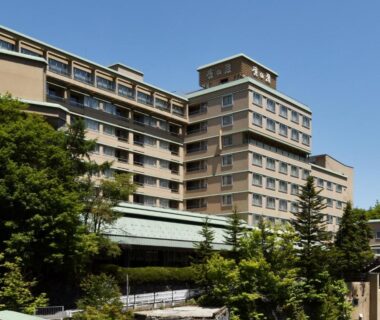
jyozankei SHIKAnoYU
A solid onsen stay in Jozankei for travelers who want a traditional hot-spring atmosphere, easy access within the spa town, and generally good v…
7.9
297 reviews
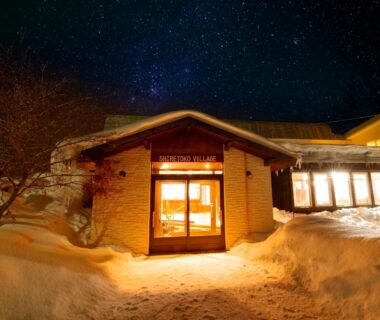
Shiretoko Village
A practical onsen stay in Utoro for travelers who want easy access to Shiretoko’s nature without paying luxury-resort prices. It suits guests wh…
7.9
165 reviews
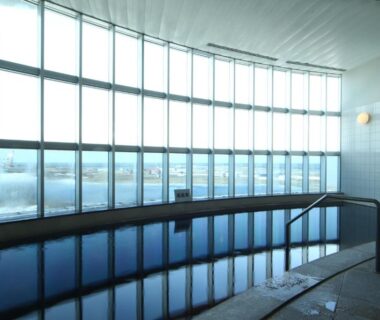
Teshio Onsen Yubae
A solid choice for travelers who want a scenic northern Hokkaido hot spring stay rather than a luxury ryokan experience. Its appeal is strongest…

7.7
204 reviews
Ryokan Yamaichi
Ryokan Yamaichi is a simple, budget-friendly stay in Wakkanai that works best for travelers who want a traditional Japanese-style room and easy…
7.6
675 reviews
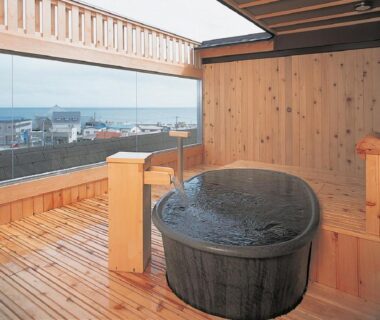
Yunokawa Kanko Hotel Shoen
A large hot-spring hotel in Hakodate’s Yunokawa Onsen area, it works best for travelers who want abundant bath facilities, broad room choice, an…
7.5
309 reviews
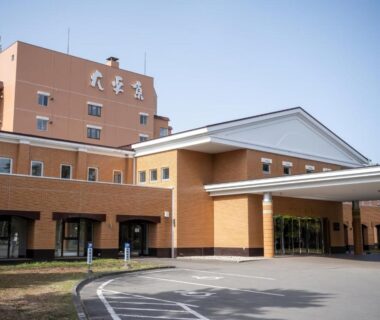
Hotel Daiheigen
This is a large onsen hotel in Tokachigawa Onsen, Otofuke, Hokkaido, suited to travelers who want broad facilities and an easy hot-spring stay r…
7.5
438 reviews
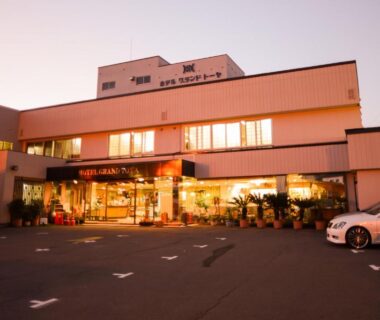
Hotel Grand Toya
Hotel Grand Toya is a straightforward lakeside onsen hotel in Toyako Onsen that works best for travelers who want views, traditional tatami room…
7.5
233 reviews
Hotel Masyu
Hotel Masyu is a practical onsen stay in Teshikaga that works especially well for travelers exploring Lake Mashu, Lake Kussharo, and eastern Hok…
7.5
116 reviews
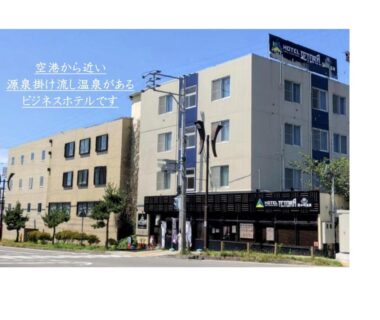
Hotel Tetora Yunokawaonsen
A practical onsen stay in Hakodate’s Yunokawa area that works best for travelers who value hot-spring access, simple convenience, and a lower-ke…
7.5
26 reviews
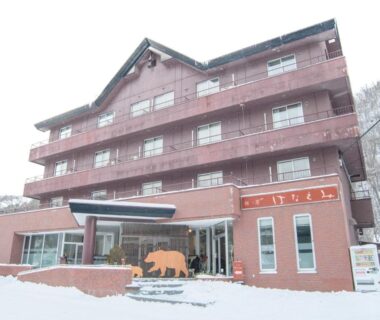
Ryokan HANAEMI
This is a practical small stay in Asarigawa Onsen, Otaru, best suited to drivers, skiers, and travelers who want a lower-key base rather than a…
7.4
5 reviews
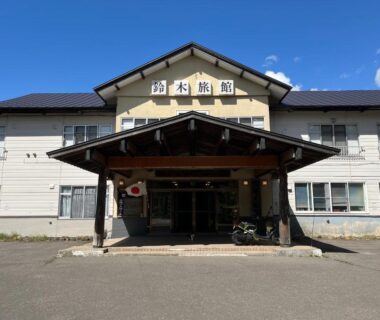
Suzuki Ryokan
This is a traditional hot-spring ryokan in Karurusu Onsen, Noboribetsu, suited to travelers who want a quiet, old-school onsen stay rather than…
7.3
282 reviews
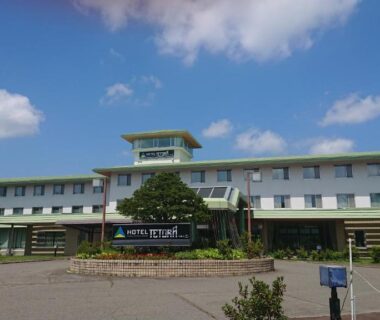
Hotel Tetoraresort Tokachigawa
This is a budget-friendly onsen stay in Tokachigawa Onsen that seems to deliver solid baths, good value, and friendly service rather than a poli…
7.2
245 reviews
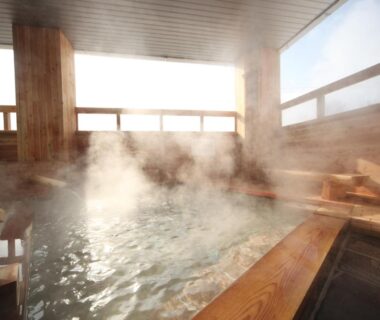
Kawayu Kanko Hotel
A practical onsen stay in Kawayu Onsen that stands out more for its strongly acidic hot spring and convenient base location than for polished lu…
7.2
42 reviews
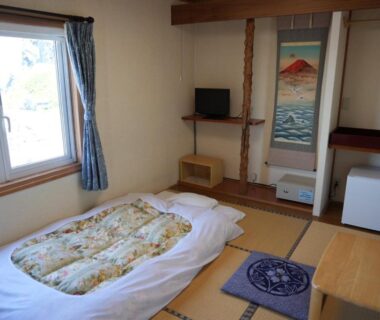
Shimanoyado Kamuirishiri
A small, simple ryokan-style stay in Oshidomari on Rishiri Island, best suited to travelers who want a practical base near local viewpoints rath…
7.0
184 reviews
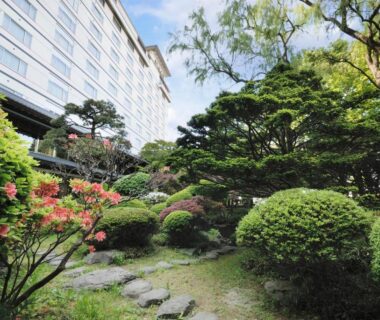
Takuboku Tei
A large Yunokawa Onsen property that suits travelers who want a full-service stay with a prominent rooftop bath and family-friendly atmosphere.…
4.5
35 reviews
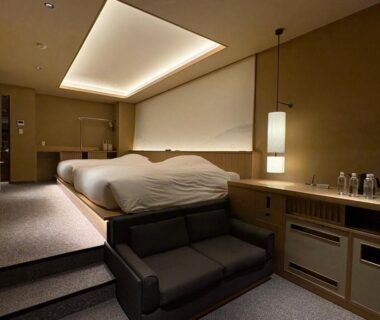
Exclamation Hotel
This appears to be a very small onsen stay in the Jozankei hot-spring area of Sapporo, suited to travelers who want a quieter base rather than a…
4.4
24 reviews
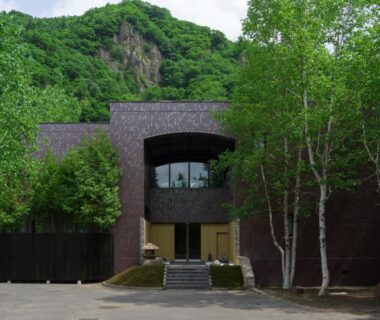
Suigan
Suigan is a very small luxury-style onsen stay in Jozankei, Sapporo, built around privacy, oversized suite rooms, and a quiet gorge-side setting…
4.2
47 reviews
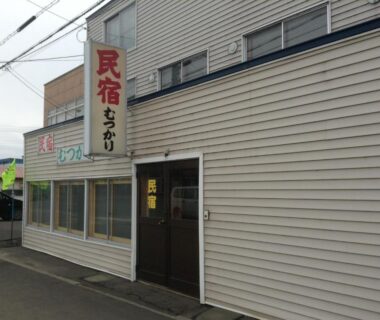
Minshuku Mutsukari
A small, home-style guesthouse in Furano that suits travelers who want a simple, budget-friendly base with easy access to town and ski areas. It…
-
No overall rating yet
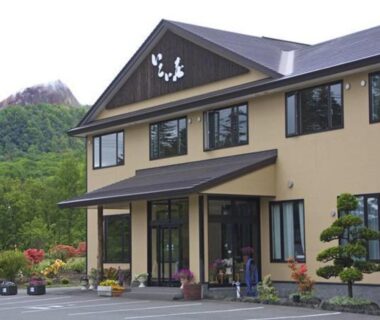
Ikoiso
A simple hot spring ryokan in Sobetsu Onsen with a strong local feel, lake-area scenery, and home-style food using its own farm produce. It suit…
Top 10 ryokans in Hokkaidō
Ranking based on overall rating and review volume. Includes this category and its subcategories.
-
🥇 1Wakamatsu Hot Spring Resort9.4/10 · 284 reviews
-
🥈 2Spa and Esthetique Suichokan-Female&Adult Only9.4/10 · 195 reviews
-
🥉 3Tokachigawa Moor Onsen Seijyakubow9.4/10 · 165 reviews
-
4Mimatsuso Ryokan9.3/10 · 440 reviews
-
5Ryokan Ichinomatsu9.3/10 · 203 reviews
-
6Lake Shikotsu Tsuruga Bessou AO no ZA9.3/10 · 162 reviews
-
7Dai-ichi Takimotokan9.2/10 · 6,740 reviews
-
8Senshoen9.2/10 · 246 reviews
-
9Yuyado DAIICHI9.2/10 · 213 reviews
-
10Niseko Konbu Onsen Tsuruga Moku-no-sho9.2/10 · 206 reviews
Traveler itineraries including Hokkaidō
Ryokans from Hokkaidō appear in 22 public itineraries.
5 days – Hokkaido > Kumamoto > Shizuoka > Kyoto
5 stops5 days – Gunma > Hokkaido > Oita > Kyoto
5 stops4 days – Kyoto > Mie > Gifu > Hokkaido
4 stops2 days – Kanagawa > Hokkaido
2 stops2 days – Tochigi > Hokkaido
2 stops7 days – Kumamoto > Nagano > Wakayama > Kyoto
7 stops5 days – Oita > Hokkaido > Sado Island > Nagano
5 stops4 days – Saga > Hokkaido > Yamanashi > Ishikawa
4 stops4 days – Tokyo-to > Fukushima > Yamanashi > Hokkaido
4 stops6 days – Gifu > Yamanashi > Nagano > Kumamoto
6 stopsBest time to visit Hokkaidō
Hokkaidō is best chosen by season: snow and onsen in winter, flowers in summer, and short but vivid foliage in autumn.
-
JanuaryGood8/10WeatherDeep winter across most of Hokkaidō with persistent snow, frozen landscapes, and severe cold.TemperatureDay -5°C - Night -12°CSnow Severe Cold Winter RoadsGood forPrime powder snow and onsen weather.Watch outBitter cold and weather disruptions.SeasonLake Shikotsu Ice Festival season begins.TipPlan slower transfers and choose ryokan with strong winter access.Busy
-
FebruaryExcellent10/10WeatherPeak winter season with abundant snow, clear winter scenery, and very cold temperatures.TemperatureDay -4°C - Night -11°CSnow Severe Cold Festival SeasonGood forBest month for snow festivals.Watch outHotels book out and prices rise.SeasonSapporo Snow Festival and Otaru Snow Light Path.TipReserve festival dates and nearby ryokan far ahead.Very busy
-
MarchMixed6/10WeatherLate winter conditions linger, but thawing begins in lower areas and surfaces can become slushy.TemperatureDay 0°C - Night -7°CSnow Freeze Thaw Variable ConditionsGood forWinter scenery with slightly longer days.Watch outSlush and uneven road conditions.SeasonSounkyo Ice Waterfall Festival may continue early month.TipGood for late ski trips, less ideal for scenic driving.Moderate crowds
-
AprilMixed5/10WeatherA broad transition month: snow melts in cities while highlands and northern areas stay wintry.TemperatureDay 7°C - Night 0°CSnowmelt Muddy Paths Regional VariationGood forLower crowds before spring peak.Watch outBrown landscapes in many areas.SeasonFew major seasonal events.TipBest for quiet onsen stays rather than classic scenery.Low crowds
-
May Current monthGood8/10WeatherCool spring arrives late, with fresh greenery and cherry blossoms often peaking in the second half.TemperatureDay 13°C - Night 5°CCool Spring Flowers Late BlossomsGood forLate cherry blossoms and fresh air.Watch outSome areas still feel cool.SeasonLate cherry blossom season in many parts.TipA strong spring alternative after Honshu blossoms finish.Moderate crowds
-
JuneGood8/10WeatherEarly summer is generally cool and comfortable, with greener landscapes and fewer rainy-season problems than much of Japan.TemperatureDay 17°C - Night 10°CCooler Than Mainland Green Scenery PleasantGood forComfortable weather and fewer crowds.Watch outFlowers are not yet at peak everywhere.SeasonYOSAKOI Soran Festival in Sapporo.TipExcellent for road trips, onsen towns, and wider regional touring.Moderate crowds
-
JulyExcellent10/10WeatherWarm but usually less humid than much of Japan, with long days and classic flower-field scenery.TemperatureDay 21°C - Night 14°CWarm Flower Season Comfortable EveningsGood forBest flower fields and outdoor touring.Watch outPopular areas get busy.SeasonFurano lavender season peaks mid to late July.TipBook Furano, Biei, and resort ryokan well ahead.Busy
-
AugustGood8/10WeatherWarm summer continues, usually milder than Honshu, though afternoons can be hotter and busier during holidays.TemperatureDay 23°C - Night 16°CWarm Summer Holidays Outdoor SeasonGood forGreat for lakes, hiking, and escapes.Watch outObon crowds and higher rates.SeasonSummer flowers continue; Otaru Ushio Festival season.TipChoose mountain or lakeside ryokan for cooler nights.Busy
-
SeptemberGood8/10WeatherEarly autumn brings cooler air and harvest season, with foliage starting first in higher elevations.TemperatureDay 19°C - Night 11°CCooling Harvest Season Early FoliageGood forComfortable temperatures and good food.Watch outWeather can turn quickly.SeasonEarly autumn colors begin in Daisetsuzan.TipA smart month for onsen, food, and scenic drives.Moderate crowds
-
OctoberExcellent9/10WeatherCrisp autumn weather and strong foliage season arrive quickly, especially in mountains and many inland areas.TemperatureDay 11°C - Night 3°CFoliage Crisp Air Cold NightsGood forSuperb foliage and onsen season.Watch outAutumn colors pass quickly.SeasonPeak foliage in many areas; harvest season.TipIdeal for ryokan stays with rotenburo and scenic meals.Busy
-
NovemberMixed5/10WeatherLate autumn shifts toward winter, with leaf loss in many areas and the first stronger snowfalls in colder districts.TemperatureDay 4°C - Night -2°CFirst Snow Bare Trees Off SeasonGood forQuiet ryokan stays and lower rates.Watch outBetween foliage and full winter appeal.SeasonFirst snows in colder areas.TipBetter for restful onsen breaks than sightseeing breadth.Low crowds
-
DecemberGood8/10WeatherWinter returns decisively with growing snow cover, festive atmospheres, and improving ski conditions.TemperatureDay -1°C - Night -8°CSnow Cold Ski SeasonGood forSnowy onsen atmosphere returns.Watch outShort daylight and icy travel.SeasonWinter illuminations and ski season start.TipGood early-winter choice before February festival peaks.Moderate crowds
How long to stay in Hokkaidō
Because Hokkaidō is a large region, the right stay depends on whether you want one base or a multi-area circuit.
Allow at least 4 nights for one part of Hokkaidō, but 6 to 8 nights is better for combining a ryokan stay with cities, scenery, and seasonal travel days.
Short winter or onsen break
3 to 4 nightsOne area such as Sapporo-Otaru, Noboribetsu, or Lake Shikotsu
Works for a focused snow festival, ski, or ryokan trip without long internal transfers.
Choose one base area and avoid overpacking the itinerary.
Classic first Hokkaidō trip
5 to 6 nightsSapporo plus one or two nearby regions
Enough time for a city stay, one ryokan or onsen stop, and a scenic day trip or two.
Good balance for summer flowers, autumn foliage, or winter events.
Regional loop
7 to 9 nightsCombining central Hokkaidō with an onsen, coast, or national park
More realistic for Hokkaidō’s scale, especially if you want trains or self-drive without rushing.
Best for ryokan travelers who want atmosphere as well as landscapes.
- Hokkaidō is large, so travel times between famous areas are often longer than first-time visitors expect.
- Winter weather can slow road and rail travel, so keep buffers between hotel changes.
- For flower season, major winter festivals, and foliage weekends, book ryokan early.
Hokkaidō seasonal events calendar
These are major recurring Hokkaidō events or seasonal highlights; for a region this large, not every event is close to every ryokan.
Lake Shikotsu Ice Festival
Chitose
Illuminated ice formations made from lake water near a major onsen and airport access area.
Strong fit for winter ryokan stays near Sapporo or New Chitose.
Sounkyo Onsen Ice Waterfall Festival
Sounkyo Onsen, Kamikawa
Large illuminated ice festival in a gorge-side onsen town near Daisetsuzan.
Excellent for travelers combining onsen and deep winter scenery.
January is winter-event focused, with the strongest options in onsen towns and near Sapporo.
Sapporo Snow Festival
Sapporo
Hokkaidō’s flagship winter event with giant snow and ice sculptures.
Best booked far ahead; ideal for first-time winter visitors.
Otaru Snow Light Path
Otaru
Canalside and old-town candlelit snow event with intimate atmosphere.
Excellent paired with Sapporo or an Otaru stay.
Asahikawa Winter Festival
Asahikawa
Major snow festival known for large sculptures and winter festivities.
Good addition for central Hokkaidō winter routes.
February is the strongest single month for named winter events across Hokkaidō.
Sounkyo Onsen Ice Waterfall Festival
Sounkyo Onsen, Kamikawa
Late-running illuminated ice festival in an onsen setting.
Useful for late winter itineraries after the biggest festivals end.
March is a shoulder period with fewer major region-wide events.
Few major seasonal events
Across the region
Spring transition month; timing varies widely by subregion and elevation.
Visit for quiet travel rather than festival-focused planning.
Hokkaidō’s spring arrives later than much of Japan, so April can still feel off-season.
Cherry blossom season
Region-wide variation
Late sakura season compared with most of Japan.
Good spring option for travelers who missed blossoms farther south.
For a large region, blossom timing varies noticeably by location.
YOSAKOI Soran Festival
Sapporo
Major dance festival blending Yosakoi style with Hokkaidō’s Soran tradition.
A lively city event that pairs well with cooler early-summer travel.
June is more cultural than floral at the region-wide level.
Furano lavender season
Furano and Nakafurano
Hokkaidō’s most famous flower-viewing period, centered on lavender fields.
Top choice for summer scenery, but reserve early.
July is the signature flower month for central Hokkaidō.
Otaru Ushio Festival
Otaru
Port-city summer festival with parades and seasonal celebrations.
Works well with Sapporo-Otaru summer stays.
Summer flower season
Central Hokkaidō and other flower areas
Later-blooming flowers continue after peak lavender.
Good if July is unavailable, though lavender may be past peak.
August is active but holiday crowds affect availability and prices.
Early autumn foliage
Daisetsuzan and other uplands
Some of Japan’s earliest autumn colors appear first in Hokkaidō’s mountains.
Excellent for scenic drives and onsen bases near national parks.
Foliage starts early in highland areas, not uniformly across the whole region.
Autumn foliage season
Many inland and mountain areas
Peak red and gold landscapes in many parts of Hokkaidō.
One of the best months for ryokan scenery and rotenburo stays.
Peak timing still varies by elevation and latitude.
First snow season
Colder districts and uplands
Winter begins to return, but festival season has not fully started.
Best for quiet onsen trips rather than event chasing.
November is more atmospheric than event-rich.
Ski and winter illumination season
Multiple resort and city areas
Snow season builds across major resorts and urban winter displays begin.
Good early-winter choice before peak February crowds.
December has strong winter mood, but fewer iconic region-wide named events than February.
Practical Hokkaidō Ryokan FAQs for Choosing the Right Stay
Which ryokan in Hokkaidō is best for a first-time Noboribetsu Onsen stay focused on big public baths?
Dai-ichi Takimotokan is the strongest first pick if bath variety is your priority. It stands out for one of the largest bath complexes in Hokkaidō, multiple spring types, and excellent access to Jigokudani. Choose Yumoto Noboribetsu instead if you want a more traditional meal-inclusive feel and easier value, but its appeal is more about dependable baths than giant scale.
Pick Dai-ichi Takimotokan for maximum bath variety; pick Yumoto Noboribetsu for a simpler traditional onsen stay.
Where should I stay in Hokkaidō for a private in-room onsen and a quiet luxury escape?
Lake Shikotsu Tsuruga Bessou AO no ZA is the clearest fit if you want a luxury ryokan built around private in-room hot spring bathing, lake views, and spacious suites. Choose Zaborin instead if you want deeper seclusion and a more design-led villa feel near Hanazono. AO no ZA is easier for an upscale airport-area retreat, while Zaborin feels more remote and intimate.
Choose AO no ZA for lakefront luxury and easier airport logic; choose Zaborin for forest seclusion and boutique villa privacy.
What is the best ryokan in Hokkaidō near Hakodate Airport for a short onsen stay?
Wakamatsu Hot Spring Resort is the strongest match for a short airport-side ryokan stay because it combines very easy airport access, ocean-facing rooms, refined kaiseki, and a strong traditional atmosphere. Ryokan Ichinomatsu is the better alternative if you want a more classic garden-facing Yunokawa ryokan with in-room dining. The tradeoff is that Wakamatsu feels more polished, while Ichinomatsu feels more old-school.
Pick Wakamatsu for a refined coastal stay; pick Ichinomatsu for classic garden atmosphere and private in-room meals.
Which Hokkaidō ryokan is most convenient for visiting Jigokudani in Noboribetsu?
Dai-ichi Takimotokan is the most practical choice if visiting Jigokudani is a key reason for your trip. Its Noboribetsu Onsen location is especially close to Hell Valley and suits travelers who want to walk there between baths. Yumoto Noboribetsu also works well in the same onsen town, but Dai-ichi Takimotokan has the stronger case if you also want a major bath complex and easier first-time orientation.
Choose Dai-ichi Takimotokan if you want Hell Valley plus a landmark bath experience in one stay.
What ryokan in Hokkaidō is best near Upopoy National Ainu Museum and Park?
Ryokan Ogita is the most practical pick if Upopoy is your main reason to stay in Shiraoi. It is a short walk from JR Shiraoi Station and also close enough for an easy visit to Upopoy, making it useful for a one-night cultural stop. The main tradeoff is that it is a simple local inn, not an onsen-focused or luxury retreat, so book it for convenience rather than resort atmosphere.
Pick Ryokan Ogita if station access and an easy Upopoy visit matter more than baths or luxury.
Which ryokan in Hokkaidō is best for a Sapporo city stay with a real onsen?
ONSEN RYOKAN Yuen Sapporo is the strongest choice if you want central Sapporo convenience without giving up a genuine onsen experience. It combines a modern ryokan mood, strong Hokkaidō-focused dining, and walkable access to central sightseeing. Nakamuraya Ryokan is the better alternative if you want a more old-style tatami stay at a simpler level, but it does not offer the same refined onsen-led city experience.
Choose Yuen Sapporo for a polished city-onsen stay; choose Nakamuraya for simpler traditional lodging near central Sapporo.
Where should couples stay in Hokkaidō for a romantic adults-only ryokan?
Hokkaido Lakeside Hotel Suimeikaku Private hot spring inn-Adult Only is the clearest couples pick if you want lake views, adult-only calm, and private hot spring bathing in every room. Suizantei Club Jozankei-Adults Only is the better alternative if you prefer an adults-only onsen retreat closer to Sapporo with a stronger kaiseki-and-lounge focus. Suimeikaku feels more romantic and lakeside; Suizantei feels more classic and retreat-like.
Pick Suimeikaku for lakeside romance; pick Suizantei Club for a quieter adults-only Jozankei retreat.
Which Hokkaidō ryokan is best without a car for a Jozankei Onsen trip from Sapporo?
HanaMOMIJI is the most practical choice for a no-car Jozankei stay because bus access from Sapporo is straightforward and the ryokan itself offers strong bath facilities and a polished lounge atmosphere. Jozankei Tsuruga Resort Spa Mori no Uta also works well if you want a more resort-style forest mood, but HanaMOMIJI has the clearer edge for easy onsen-town positioning and a classic short stay plan.
Choose HanaMOMIJI for easier classic Jozankei access; choose Mori no Uta for a more resort-like forest retreat.
What is the best Hokkaidō ryokan for food-focused travelers who care about dinner as much as the bath?
Tokachigawa Moor Onsen Seijyakubow is a strong food-first choice if you want dinner to be central to the stay. It pairs private in-room moor onsen baths with serious Tokachi dining, including Japanese and grill options using regional ingredients. Wakamatsu Hot Spring Resort is the better alternative if you prefer a more classic refined ryokan meal near Hakodate with sea views. Seijyakubow feels more retreat-like; Wakamatsu feels more traditional and formal.
Pick Seijyakubow for Tokachi cuisine and private-bath retreat value; pick Wakamatsu for formal coastal ryokan dining.
Which ryokan in Hokkaidō is best for a remote nature stay rather than city sightseeing?
Yuyado DAIICHI is the best fit if you want a secluded onsen stay shaped by forest, river scenery, and quiet bathing rather than easy sightseeing logistics. Choose Ryounkaku instead if your idea of nature means high mountain scenery and hiking around Tokachidake. Yuyado DAIICHI suits a softer riverside retreat, while Ryounkaku is more rugged and weather-dependent. Both are remote, so car-based planning is strongly helpful.
Choose Yuyado DAIICHI for riverside forest calm; choose Ryounkaku for volcanic mountain views and hiking access.