
Explore the best ryokans in Kyoto Prefecture, from the quiet Sea of Japan coast to mountain villages north of Kyoto City. This category is especially suited to travelers seeking a slower side of Kyoto, with stays around Miyazu and Amanohashidate, Kyotango’s seaside onsen areas such as Yuhigaura, and rural Nantan near Miyama’s thatched-roof village. Expect a peaceful atmosphere, seasonal seafood, coastal scenery, forested countryside, and traditional Japanese hospitality. These ryokans are ideal for couples, families, and repeat visitors who want to pair Kyoto’s cultural heritage with hot springs, nature, and a more local overnight experience.
142 ryokan(s) shown out of 142 in this region.
8.1
294 reviews
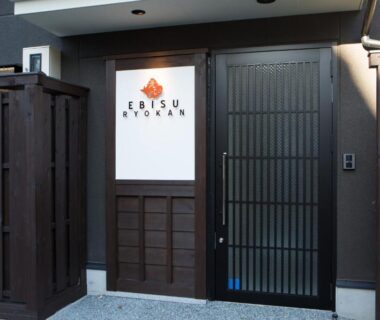
Ebisu Ryokan
Ebisu Ryokan is a modern Japanese-style stay in Minami Ward, Kyoto, a short walk from Kyoto Station and Kujo Station. It suits travelers who wan…
8.1
64 reviews
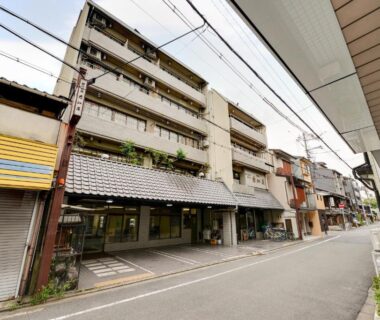
Hotel Oumiya
Hotel Oumiya is a simple traditional-style stay in central Kyoto that works best for travelers who want a quiet, budget-friendly base near Kyoto…
8.1
196 reviews
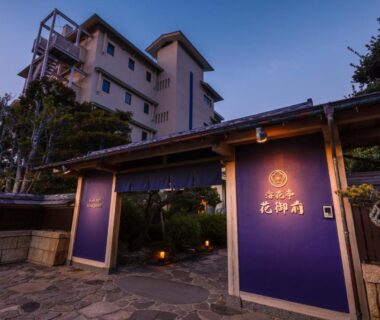
Kaikatei Hanagozen
Kaikatei Hanagozen is a solid fit for travelers who want a traditional onsen ryokan stay near Yuhigaura Beach with strong seasonal dining. It is…
8.1
74 reviews
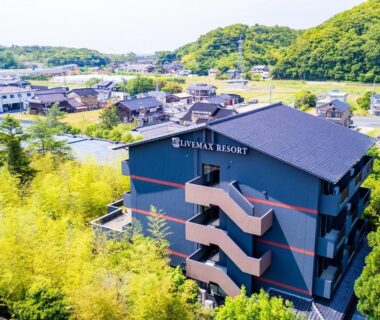
Livemax Resort Yuhigaura Kitu Onsen
This is a rebranded onsen ryokan in Kyotango with a more distinctive building style than a typical chain resort and a convenient position near Y…
8.1
25 reviews
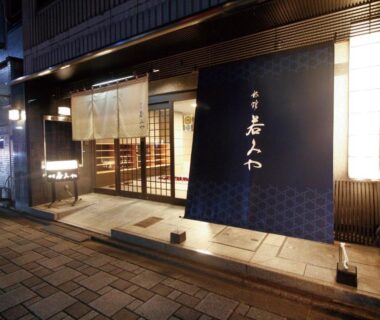
Ryokan Wakamiya
A practical traditional-style ryokan near Kyoto Station, best for travelers who want tatami rooms and easy transport rather than a secluded luxu…
8.0
26 reviews
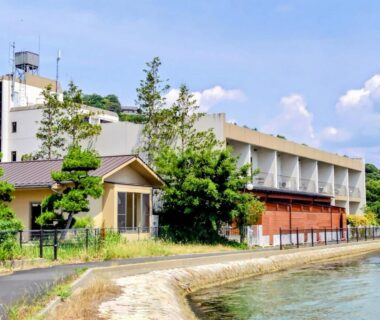
Amanohashidateso
Amanohashidateso is a practical onsen stay in the Monju area of Miyazu, well placed for visiting Amanohashidate without paying luxury-ryokan pri…
8.0
844 reviews
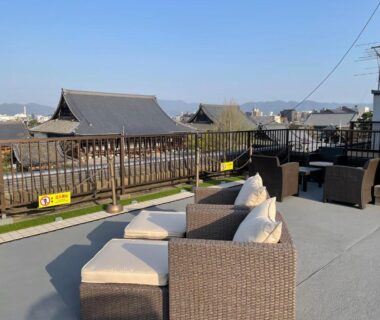
Azumaya Ryokan
A solid budget-friendly traditional stay in Kyoto for travelers who want tatami rooms, a public bath, and easy access near Kyoto Station. It sui…

8.0
101 reviews
LiVEMAX RESORT Kyotango Sea Front
A solid seaside resort choice in Kyotango if you want ocean views, onsen time, and easy access to the local beaches. It is better for a relaxed…
8.0
1,428 reviews
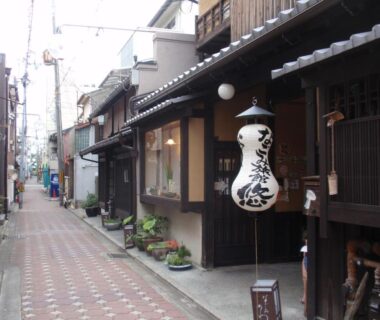
Nagomi-Ryokan Yuu
Nagomi-Ryokan Yuu appears to be a small traditional-style ryokan in Shimogyo-ku, Kyoto, near Kyoto Station. It suits travelers who want a quiete…
7.9
145 reviews
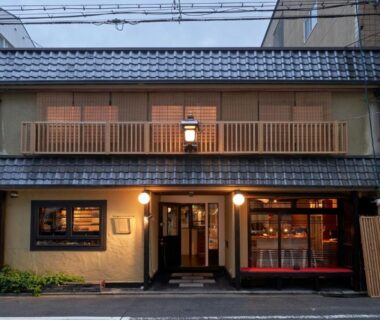
HOTEL Clam Chowder
A stylish machiya-style stay in central Kyoto, best for travelers who want walkable access to Nishiki Market, downtown shopping, and Gion-facing…
7.9
749 reviews
Kyo no Minshuku Ohara no Sato
A countryside minshuku in Kyoto’s Ohara area, this property suits travelers who want a rustic onsen stay with local character rather than a poli…
7.9
779 reviews
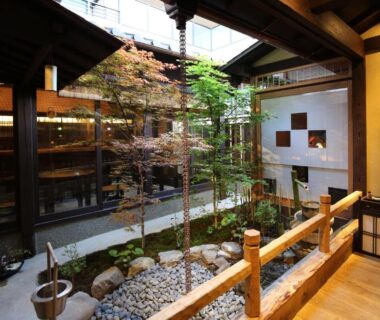
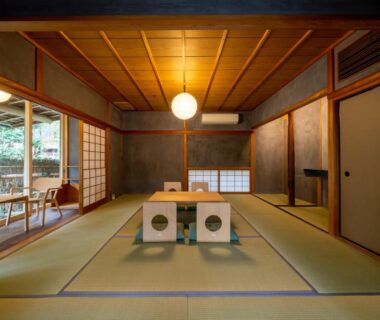
Roman Kan
This is a small Kyoto machiya-style ryokan in Shimogyo-ku, set between Kyoto Station and central sightseeing areas. It suits travelers who want…
7.9
1,085 reviews
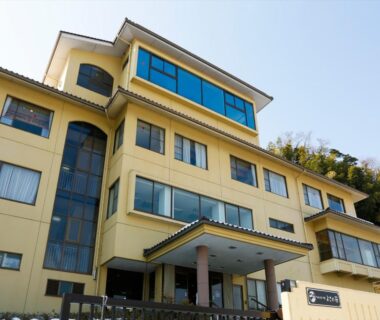
Ryokan Yamazaki
A good fit for travelers who want a quieter, more traditional Kyoto stay with a garden setting and on-site Japanese meals. It is much less ideal…
7.8
59 reviews
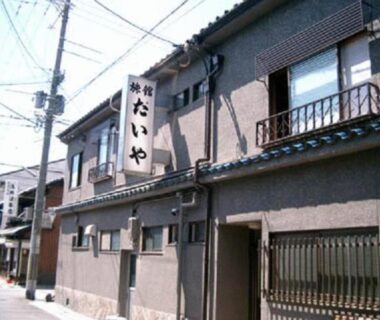
Bekkan Yosanoso
A practical seaside ryokan in Miyazu that works best for travelers who want easy access to the Amanohashidate area without paying luxury-ryokan…
7.7
7 reviews
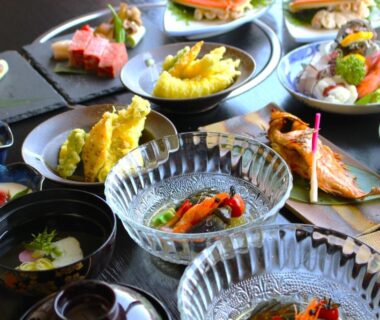
Daiya Ryokan
A simple, budget-friendly Kyoto ryokan very close to Kyoto Station, best for travelers who want traditional tatami lodging in a practical locati…
7.4
109 reviews
Ryokan Sakamotoya
This is a small traditional ryokan in Kumihama, Kyotango, set between Kumihama Bay and the Sea of Japan with a strong focus on local seafood, wi…
7.4
55 reviews
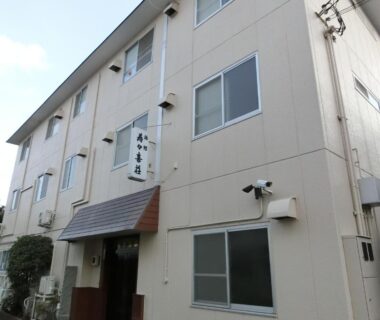
Suzukisou
Ryokan Suzukisou is a simple, budget-friendly traditional stay in Kyoto’s Fushimi district rather than a polished central-city ryokan. It suits…
4.8
1 reviews
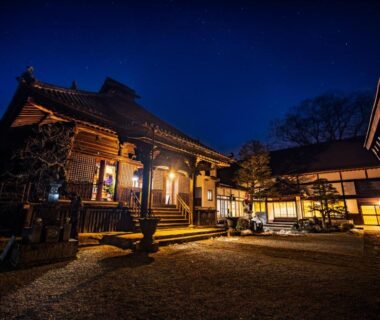
Temple Hotel 正暦寺
This is a highly distinctive private temple stay in Ayabe, Kyoto Prefecture, best for travelers who want atmosphere, silence, and a cultural ove…
4.3
7 reviews
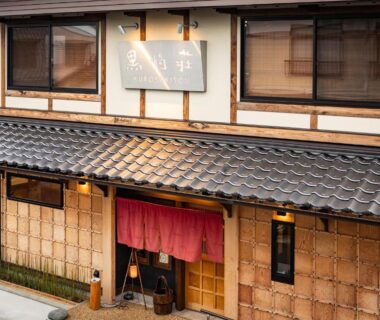
Kurosakisou
A small seafood-focused ryokan on the quieter Fuchu side of Amanohashidate, best for travelers who want sea views, local fish and a low-key trad…
4.2
31 reviews
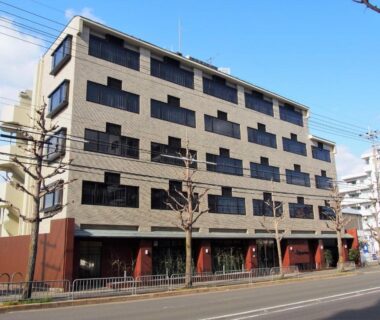
Saga Grace Hotel
A practical stay in Kyoto’s Saga-Arashiyama area, best for travelers who want a quieter base with easy access to western Kyoto sights. It suits…
3.8
50 reviews
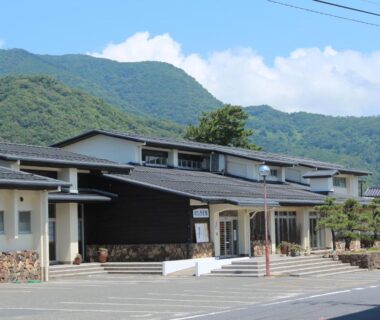
Tango Onsen Hashiudosou
A practical seaside onsen stay in Taiza, Kyotango, best suited to travelers who want coastal scenery, local seafood, and a quieter northern Kyot…
-
No overall rating yet
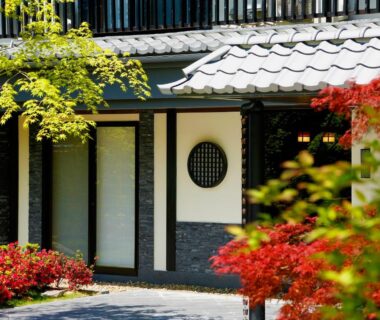
Ryokan KANADE
This is a polished Kyoto-style ryokan in the quiet Okazaki area, best for travelers who want a calm, design-led stay near temples and museums ra…
Top 10 ryokans in Kyoto
Ranking based on overall rating and review volume. Includes this category and its subcategories.
-
🥇 1Toshiharu Ryokan9.9/10 · 563 reviews
-
🥈 2Ryokan Mugen (Adult Only)9.9/10 · 359 reviews
-
🥉 3Ryokan Tori9.8/10 · 604 reviews
-
4Kyo no Yado Ishihara9.9/10 · 75 reviews
-
5Ryokan Shimizu9.7/10 · 681 reviews
-
6Yado Kiramachi9.7/10 · 458 reviews
-
7Ishibekoji Muan9.7/10 · 389 reviews
-
8Seikoro Ryokan – Established in 18319.6/10 · 1,276 reviews
-
9Rangetsu9.6/10 · 869 reviews
-
10Yadoya Kikokuso9.6/10 · 384 reviews
Traveler itineraries including Kyoto
Ryokans from Kyoto appear in 27 public itineraries.
5 days – Mie > Hyogo > Kyoto > Tochigi
5 stops5 days – Hokkaido > Kumamoto > Shizuoka > Kyoto
5 stops5 days – Gunma > Hokkaido > Oita > Kyoto
5 stops5 days – Ishikawa > Miyagi > Niigata > Kyoto
5 stops4 days – Gunma > Fukushima > Shizuoka > Kyoto
4 stops4 days – Kyoto > Mie > Gifu > Hokkaido
4 stops2 days – Iwate > Kyoto
2 stops4 days – Oita > Kyoto > Gunma > Gifu
4 stops7 days – Kumamoto > Nagano > Wakayama > Kyoto
7 stops7 days – Shizuoka > Kanagawa > Kyoto > Ishikawa
7 stopsBest time to visit Kyoto Prefecture
Spring and autumn are most comfortable, while summer is festive but hot and winter is quieter with occasional cold snaps.
-
JanuaryMixed6/10WeatherCold winter days with occasional snow, especially in northern Kyoto Prefecture and mountain areas.TemperatureDay 8°C - Night 1°CCold Occasional Snow DryGood forQuieter temples and lower lodging pressure.Watch outCold weather limits long outdoor sightseeing.SeasonHatsumode visits and winter scenery.TipGood for peaceful city temples or Amanohashidate with winter seafood.Moderate crowds
-
FebruaryMixed6/10WeatherCold and often dry in Kyoto City, with heavier winter conditions in northern areas.TemperatureDay 9°C - Night 1°CCold Dry Possible SnowGood forGood value and fewer visitors.Watch outBare landscapes outside plum spots.SeasonPlum blossoms and Setsubun rites.TipBest for calm shrine visits and seasonal sweets rather than gardens at full color.Low crowds
-
MarchGood7/10WeatherCool early spring, warming through the month; cherry blossom timing varies by year.TemperatureDay 13°C - Night 4°CCool Warming Variable Blossom TimingGood forEarly spring atmosphere before peak crowds.Watch outBlossom timing can be uncertain.SeasonPlum peaks, then early cherry blossoms.TipLate March is safer for sakura, but exact peak shifts each year.Busy
-
AprilExcellent10/10WeatherMild spring weather with comfortable daytime temperatures and fresh greenery after sakura peak.TemperatureDay 20°C - Night 9°CMild Comfortable Spring FlowersGood forBest mix of blossoms, weather, and walks.Watch outPopular sights get very crowded.SeasonCherry blossoms and spring illuminations.TipBook ryokan early, especially around central Kyoto and Arashiyama.Very busy
-
May Current monthExcellent9/10WeatherWarm, generally comfortable spring weather with lower humidity than summer.TemperatureDay 24°C - Night 14°CWarm Comfortable Fresh GreeneryGood forComfortable weather and vivid fresh greenery.Watch outHoliday periods raise prices and crowds.SeasonAoi Matsuri and green maple season.TipAvoid Golden Week for better rates and calmer sightseeing.Busy
-
JuneGood7/10WeatherEarly summer turns humid as the rainy season begins, though temperatures stay manageable.TemperatureDay 28°C - Night 19°CHumid Rainy Season Lush GreeneryGood forHydrangeas and greener temple gardens.Watch outRain can disrupt outdoor plans.SeasonHydrangeas and rainy-season landscapes.TipUseful month for quieter ryokan stays if you plan around showers.Moderate crowds
-
JulyMixed7/10WeatherHot, very humid midsummer weather, especially in Kyoto basin areas.TemperatureDay 32°C - Night 23°CHot Humid MidsummerGood forKyoto’s biggest festival atmosphere.Watch outHeat and humidity are exhausting.SeasonGion Matsuri all month.TipStart early, rest midday, and choose lodging with easy transport access.Very busy
-
AugustLess ideal5/10WeatherVery hot and humid with strong sun; mountain and northern coastal areas feel slightly easier.TemperatureDay 34°C - Night 24°CVery Hot Humid Strong SunGood forLively summer nights and mountain escapes.Watch outOppressive daytime heat.SeasonDaimonji Gozan Okuribi and summer festivals.TipBetter for evening culture and riverside dining than daytime temple marathons.Busy
-
SeptemberGood7/10WeatherStill warm and humid early on, then gradually cooler; typhoon risk remains.TemperatureDay 30°C - Night 21°CWarm Humid Typhoon RiskGood forSlightly easier crowds after summer.Watch outTyphoons may affect transport.SeasonEarly autumn transition and harvest season.TipBuild flexibility into itineraries, especially for coastal or northern Kyoto trips.Moderate crowds
-
OctoberExcellent9/10WeatherComfortable autumn weather with clear days and cooler evenings.TemperatureDay 24°C - Night 14°CComfortable Clear Days AutumnGood forGreat weather for temple and town walks.Watch outPopular weekends fill quickly.SeasonJidai Matsuri and early autumn color.TipExcellent for combining Kyoto City with Amanohashidate or rural Kyoto.Busy
-
NovemberExcellent10/10WeatherCool, crisp autumn conditions with the year’s most famous foliage period.TemperatureDay 17°C - Night 8°CCool Crisp Peak FoliageGood forPeak autumn leaves at major sights.Watch outHeavy crowds and higher rates.SeasonAutumn foliage and temple light-ups.TipStay near your priority area to avoid long transfers in crowded conditions.Very busy
-
DecemberGood7/10WeatherCold late autumn to early winter weather, usually drier than summer.TemperatureDay 11°C - Night 3°CCold Dry Early WinterGood forCalmer atmosphere after foliage season.Watch outShort daylight hours.SeasonYear-end temple traditions and winter illuminations.TipA strong choice for quieter cultural stays before New Year crowds build.Moderate crowds
How long to stay in Kyoto Prefecture
Stay length depends on whether you focus on Kyoto City alone or add northern coast, mountains, and rural temple areas.
Three nights works for Kyoto City highlights and a ryokan stay; four or five nights suits a slower cultural trip or wider prefecture exploration.
Short cultural stay
2 nightsRepeat visitors or focused city breaks
Enough for key temple districts, dining, and one ryokan night.
Works best if you stay central and reserve timed priorities.
Classic first visit
3 nightsMost first-time Kyoto travelers
Balanced time for major sights, traditional neighborhoods, and one slower morning or evening.
Best overall minimum for Kyoto City with a ryokan experience.
Deeper prefecture trip
4 to 5 nightsTravelers adding Amanohashidate, Uji, Ohara, Kibune, or rural Kyoto
Allows city highlights plus scenic side trips and a more relaxed pace.
Ideal if this category is being used for wider Kyoto Prefecture travel.
- Book spring and autumn ryokan stays far in advance.
- Allow early starts for famous temples in April and November.
- Add weather flexibility in June and September.
- If visiting in July or August, prioritize shaded or evening activities.
Kyoto Prefecture seasonal events calendar
Kyoto’s annual calendar is strongest in spring, midsummer, and autumn, with most marquee events centered in Kyoto City.
Hatsumode
Shrines and temples across Kyoto Prefecture
First shrine and temple visits of the year bring a distinctly local New Year atmosphere.
Good for cultural travelers who want seasonal ritual rather than festival crowds.
Major New Year observances are widespread rather than tied to one single venue.
Setsubun rites
Shrines and temples in Kyoto City and beyond
Bean-scattering ceremonies mark the seasonal turning point and are especially notable at famous temples and shrines.
Worth planning around if you enjoy ritual events in cooler weather.
Kyoto has several Setsubun observances, but dates and venues can vary slightly by year.
Higashiyama Hanatouro
Kyoto City
Lantern-lit streets and temple surroundings create an atmospheric early spring evening event.
Useful for visitors who want a seasonal night walk before peak cherry crowds.
Event continuity and exact dates should be checked annually.
Miyako Odori
Gion Kobu, Kyoto City
A celebrated spring dance performance associated with Kyoto’s geiko and maiko culture.
Strong choice for travelers focused on traditional performing arts.
Cherry blossom viewing is important this month, but it is seasonal scenery rather than a single named festival.
Aoi Matsuri
Kyoto City
One of Kyoto’s three great festivals, known for its Heian-style procession linked to Shimogamo and Kamigamo shrines.
One of the best single dates for classical Kyoto pageantry.
This is one of Kyoto’s signature annual events.
Hydrangea season
Temple gardens in Kyoto Prefecture
Hydrangeas and lush rainy-season greenery become the main visual draw as named marquee festivals are fewer.
Best for quieter garden visits rather than major festival travel.
This month is more about seasonal scenery than one dominant prefecture-wide event.
Gion Matsuri
Central Kyoto City and Yasaka Shrine area
Kyoto’s most famous annual festival, with Yamaboko float events and Yoiyama evenings during the month.
Essential for festival-focused travelers, but book far ahead.
This is Kyoto’s biggest annual cultural draw and heavily affects crowds and lodging.
Gozan Okuribi
Kyoto City mountainsides
Huge bonfires on surrounding mountains form one of Kyoto’s most iconic Obon-season rites.
Excellent for travelers interested in Kyoto’s ritual calendar and evening atmosphere.
A major annual Kyoto event, especially for visitors in mid-August.
Early autumn season
Kyoto Prefecture
The month is more transitional, with harvest atmosphere and fewer headline events than July or October.
Good for travelers prioritizing lighter crowds over marquee festivals.
Named major events are less dominant this month at prefecture scale.
Jidai Matsuri
Kyoto City
One of Kyoto’s three great festivals, featuring a grand historical costume procession.
Excellent for travelers who want history presented in a vivid public spectacle.
A flagship autumn cultural event in Kyoto.
Autumn foliage illuminations
Temples and shrines in Kyoto City
Special evening openings and light-ups accompany Kyoto’s peak autumn leaf season.
A major reason to visit, but expect intense demand.
Named illumination programs vary by venue each year, but the pattern is well established.
Year-end temple observances
Kyoto Prefecture
Temples shift into year-end rituals and a calmer winter mood after autumn peak travel.
Best for travelers seeking a reflective cultural atmosphere.
December is more about seasonal temple rhythm than one single dominant festival.
Kyoto Ryokan FAQ: how to choose the right stay
Which Kyoto ryokan is best if I want easy access from Kyoto Station without losing traditional atmosphere?
Ohanabo is the strongest fit if you want both convenience and a classic Kyoto stay. It is about a 7-minute walk from Kyoto Station, sits by Higashi Hongan-ji, and is known for traditional rooms and well-regarded meals. Fujiya Ryokan is the simpler alternative if price and station proximity matter more, but meal service is currently limited and shared facilities are a bigger tradeoff.
Choose Ohanabo for a fuller ryokan experience; choose Fujiya Ryokan for simpler station-side practicality.
Where should I stay in Kyoto for Kiyomizu-dera and Higashiyama old streets?
Ishibekoji Muan is the strongest choice if your priority is atmosphere and walkable access to southern Higashiyama. It sits in the preserved Ishibe-koji lane near Kodaiji, Yasaka Shrine, and Kiyomizu-dera, making early-morning and evening walks especially rewarding. Yadoya Manjiro is the better alternative if you want a more classic old-style inn feel closer to the Kiyomizu area itself, but access is less station-friendly.
Pick Ishibekoji Muan for polished luxury and location mood; pick Yadoya Manjiro for a more traditional Higashiyama inn feel.
What is the best Kyoto ryokan for a couple wanting a romantic machiya stay?
Ryokan Mugen (Adult Only) is the clearest couple-focused choice if you want a quiet machiya atmosphere, adult-only calm, and highly praised breakfast and hosting. It suits travelers who prefer a residential, slower Kyoto stay over downtown convenience. Kyo no Yado Ishihara is the better alternative if you want a more exclusive central-city splurge with very large rooms, but it is more limited in room count and feels less intimate than Mugen.
Choose Mugen for quiet romantic character; choose Ishihara for central luxury and extra space.
Which Kyoto ryokan has a private open-air bath or the strongest private bath experience?
Sora Niwa Terrace Kyoto Bettei is the standout if your priority is private bathing in Kyoto city. Every room includes a private open-air bath, and the property also has a rooftop terrace and natural hot spring facilities in central Kawaramachi. Nazuna Kyoto Higashi Honganji is the better alternative if you prefer a smaller machiya-style setting with private bath rooms near Kyoto Station, but it feels more boutique and less like a full bathing-focused stay.
Pick Sora Niwa Terrace Kyoto Bettei for the strongest city bath experience; pick Nazuna for a more intimate machiya mood.
Which ryokan in Kyoto is a true hot spring stay rather than just a city bath?
If you want a genuine hot spring trip, Taikyourou is the safer choice because it is an Amanohashidate Onsen ryokan with hot spring bathing and a walkable station location in Monju. HOSHINO-OTO is the better alternative if you want more privacy and a higher-end retreat with in-room hot spring comfort, but it is more remote and works best with a car or planned transfer. Many Kyoto city ryokans offer baths, but not true resort-style onsen stays.
Choose Taikyourou for easier access and classic Amanohashidate onsen; choose HOSHINO-OTO for a quieter upscale retreat.
Which Kyoto ryokan is best for kaiseki dinner and a food-focused stay?
Seikoro Ryokan is the strongest choice if dinner is central to your Kyoto stay. It combines a long-established ryokan atmosphere with traditional meals that guests regularly remember as a highlight, and it has a practical Higashiyama location. Muromachi Yutone Kyokoyado is the better alternative if you want a smaller, more contemporary-feeling inn where private cypress baths and Kyoto kaiseki are paired in a quieter central neighborhood.
Choose Seikoro for classic heritage ryokan dining; choose Muromachi Yutone for a smaller, more private food-led stay.
What is the best Kyoto ryokan near Arashiyama for a scenic one-night splurge?
Rangetsu is the clearest choice for an Arashiyama splurge because it sits by the river near Togetsukyo Bridge and Tenryu-ji, with open-air bathing and strong Kyoto kaiseki focus. It works especially well for one night centered on scenery and meals rather than city logistics. A limitation is that the stay advisor data is less complete than for some city properties, so room-by-room comparisons are not as detailed.
Choose Rangetsu if you want Arashiyama scenery to be part of the ryokan experience, not just a day trip.
Which Kyoto ryokan is best for luxury travelers who still want a central city base?
Kyo no Yado Ishihara is the strongest fit if you want luxury space in central Kyoto. Its two-room setup, very large room sizes, and Nakagyo location near Nishiki Market and Karasuma Oike make it feel exclusive without losing city access. Sora Niwa Terrace Kyoto Bettei is the better alternative if bathing matters more than room size, thanks to private open-air baths and Kawaramachi convenience, but it is more urban in feel.
Choose Ishihara for exclusivity and room size; choose Sora Niwa Terrace Kyoto Bettei for private baths and downtown energy.
What is a good budget-friendly Kyoto ryokan if I still want a traditional stay?
Ryokan Shimizu is the strongest budget-minded choice if you want a traditional Kyoto stay without paying luxury ryokan prices. It is near Kyoto Station, rooms include private bathrooms, and it works well for practical 1 to 2 night stays. Rakucho Ryokan is the better alternative if you want an even calmer, more residential north-Kyoto setting, but shared facilities and the less central location make it a weaker fit for first-time sightseeing-heavy trips.
Choose Ryokan Shimizu for easier sightseeing logistics; choose Rakucho Ryokan for quieter value over convenience.
Which Kyoto ryokan is best near Nishiki Market and downtown shopping?
Kyo no Yado Ishihara is the clearest choice if you want easy walking access to Nishiki Market, Kawaramachi, and central Nakagyo while staying somewhere characterful and exclusive. Yado Kiramachi is the more practical alternative if you want a polished small ryokan-style stay in the Shijo-Karasuma area with strong guest satisfaction and easier everyday access, but its attraction data is less complete, so sightseeing specifics are less well documented.
Pick Ishihara for luxury and exclusivity near downtown; pick Yado Kiramachi for a stylish central base with easier value.