
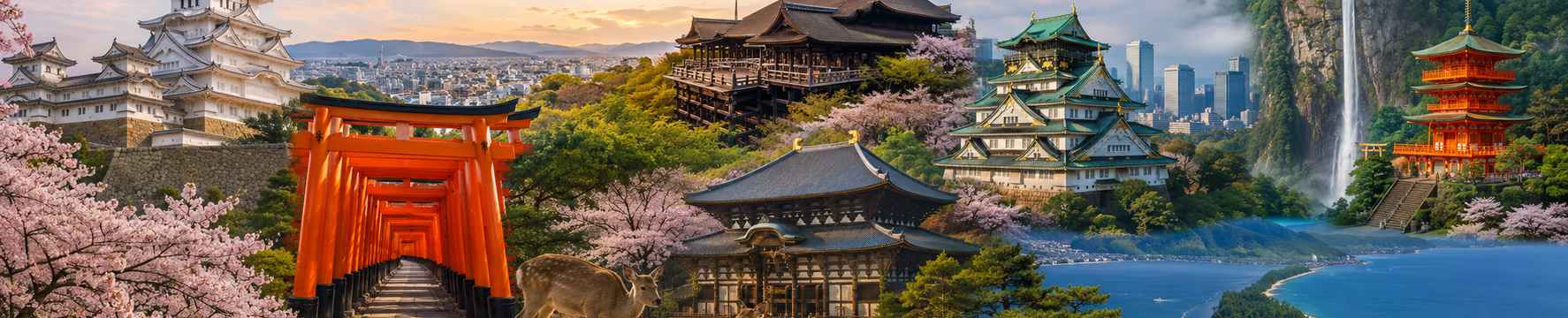
Discover ryokans in Mie, a coastal prefecture best known for the sacred atmosphere of Ise Jingu and the island scenery of Ise-Shima National Park. Many stays cluster around Ise and Toba, making the area ideal for shrine visits, seafood-focused dining, quiet bays, pearl culture, and relaxed seaside views. Travelers can pair a traditional Japanese inn experience with highlights such as Futami’s Meoto Iwa rocks, Toba Bay, Mikimoto Pearl Island, and scenic drives along the Shima Peninsula. With good rail access from Nagoya and Osaka, Mie suits couples, culture seekers, and anyone wanting a peaceful ryokan stay by the sea.
48 ryokan(s) shown out of 48 in this region.
 7.8
100 reviews
7.8
100 reviews
Koinami
A simple, budget-friendly stay near the beach in Shima, Mie, best for travelers who plan to be out exploring most of the day. It suits drivers,…
 7.7
274 reviews
7.7
274 reviews
Wan Wan Paradise Toba
A strong pick for travelers visiting Toba with a dog, especially if you want a pet-focused stay near the bay and major sightseeing spots. It is…
 7.6
48 reviews
7.6
48 reviews
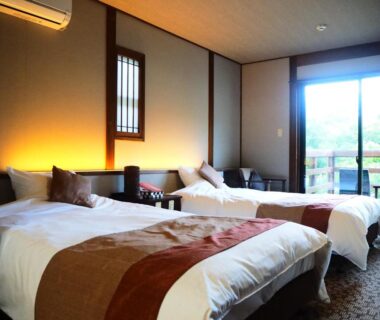
Ama no Shima
Amanoshima is a seaside onsen ryokan in Arashima-cho, Toba, suited to travelers who want bay views, hot springs, and a classic seafood-focused s…
 7.4
7.4
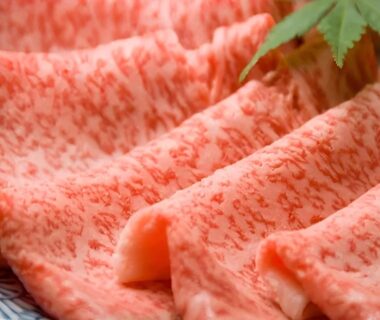
Kisara
This is a privacy-focused ryokan in Arashimacho, Toba, with detached rooms, private open-air hot spring baths, and a strong food-led stay. It su…
 7.2
24 reviews
7.2
24 reviews
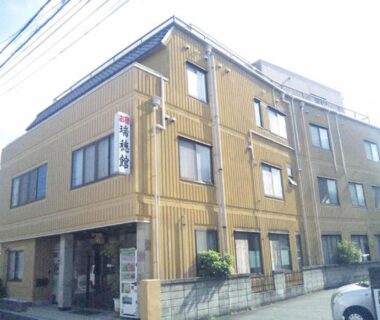
Ryoufuso
A distinctive countryside ryokan in Tsu with cave-themed dining and hot spring bathing that feels far more memorable than a standard stopover. I…
 7.1
22 reviews
7.1
22 reviews
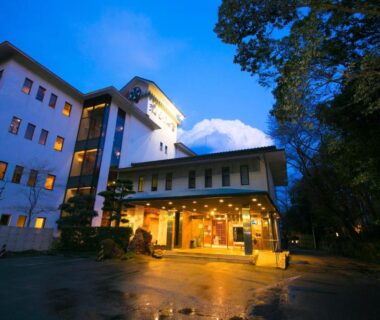
Mizuhokan
A simple, budget-friendly ryokan in central Ise, best suited to travelers who want easy station access over polish or upscale facilities. It wor…
 7.0
91 reviews
7.0
91 reviews
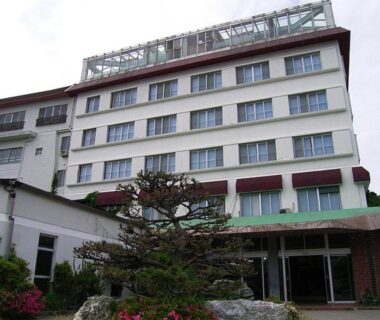
Ryokan Seishounagon
This is a traditional hot-spring ryokan in Sakakibara Onsen, Tsu, Mie, best suited to travelers who want a classic onsen stay rather than a mode…
 4.7
4.7
Suzunami
A sea-facing island ryokan on Toshijima, Suzunami stands out most for bay views, hot-spring bathing, and seafood-centered stays. It suits travel…
Top 10 ryokans in Mie
Ranking based on overall rating and review volume. Includes this category and its subcategories.
-
🥇 1Kashikojima Hojoen9.3/10 · 1,106 reviews
-
🥈 2Oishiya9.5/10 · 71 reviews
-
🥉 3Toba International Hotel Shiojitei9.2/10 · 2,170 reviews
-
4Hanano Koyado Jyu-bei9.1/10 · 746 reviews
-
5Ise-Shima Ohtaya Healing Stay9.3/10 · 62 reviews
-
6Resort Hills Toyohama Soranokaze9.2/10 · 101 reviews
-
7Isegekusando Iseshinsen9.1/10 · 234 reviews
-
8Sun Urashima Yuki no Sato9.2/10 · 58 reviews
-
9Hoshidekan9.0/10 · 220 reviews
-
10Hinode Ryokan8.9/10 · 1,014 reviews
Traveler itineraries including Mie
Ryokans from Mie appear in 16 public itineraries.
5 days – Mie > Hyogo > Kyoto > Tochigi
5 stops4 days – Hokkaido > Kyoto > Mie > Nagano
4 stops5 days – Mie > Nagano > Ishikawa > Saga
5 stops4 days – Kyoto > Mie > Gifu > Hokkaido
4 stops4 days – Mie > Nagano > Shizuoka > Kanagawa
4 stops3 days – Nagano > Mie > Tokyo-to
3 stops7 days – Kumamoto > Shizuoka > Yamagata > Mie
7 stops5 days – Yamagata > Mie > Kyoto > Gifu
5 stops4 days – Oita > Mie > Gifu > Tokyo-to
4 stops3 days – Niigata > Mie > Ishikawa
3 stopsBest time to visit Mie Prefecture
Spring and autumn are easiest for shrine visits, coastal scenery, and comfortable ryokan stays across Mie.
-
JanuaryMixed5/10WeatherCool and generally dry; coastal areas stay milder than inland Mie.TemperatureDay 8°C - Night 0°CCool Dry Clearer CoastGood forQuiet shrine visits and lower accommodation pressure.Watch outCold evenings and limited floral scenery.SeasonNew Year worship at Ise Jingu.TipBook early if visiting Ise around the first shrine visit season.Moderate crowds
-
FebruaryMixed5/10WeatherStill cool, with crisp air and relatively low rainfall.TemperatureDay 9°C - Night 1°CCool Dry Late WinterGood forCalm sightseeing before spring crowds.Watch outSome days feel raw on the coast.SeasonHina events begin in Kameyama; early plum season.TipGood for quieter ryokan stays, but bring layers for wind and nights.Low crowds
-
MarchGood7/10WeatherMild early spring with gradually warming days.TemperatureDay 12°C - Night 4°CMild Spring FlowersGood forComfortable weather for Ise and Kumano walks.Watch outBlossom timing can vary year to year.SeasonPlum blossoms and late-month cherry blossom season starts.TipLate March is usually better than early March for seasonal color.Moderate crowds
-
AprilExcellent9/10WeatherPleasant spring weather with comfortable temperatures across most of Mie.TemperatureDay 17°C - Night 9°CPleasant Cherry Blossoms Fresh GreeneryGood forBest balance of blossoms, comfort, and scenery.Watch outPopular spots get busy on weekends.SeasonCherry blossoms; Inatomi Shrine azalea festival season.TipIdeal month for mixed coastal, cultural, and ryokan itineraries.Busy
-
MayGood8/10WeatherWarm but usually still comfortable, with fresh greenery.TemperatureDay 21°C - Night 13°CWarm Fresh GreeneryGood forGreen landscapes and pleasant outdoor conditions.Watch outGolden Week can mean heavy congestion.SeasonFresh green season after Golden Week.TipGo after early May holidays for better value and quieter stays.Busy
-
JuneMixed6/10WeatherHumid and wetter as the rainy season develops.TemperatureDay 24°C - Night 18°CRainy Season HumidGood forHydrangeas and lush mountain scenery.Watch outRain can disrupt coastal and walking plans.SeasonRainy season greenery and hydrangea period.TipChoose ryokan with indoor baths and flexible day plans.Low crowds
-
JulyMixed6/10WeatherHot, humid, and increasingly summery, especially later in the month.TemperatureDay 28°C - Night 23°CHot Humid Summer FestivalsGood forLively summer festivals and coastal atmosphere.Watch outHeat and humidity reduce daytime comfort.SeasonShiokake Festival and Gion summer festivals.TipBest for festival lovers; plan early starts and air-conditioned breaks.Moderate crowds
-
August Current monthMixed5/10WeatherVery hot and humid, with occasional storm risk.TemperatureDay 30°C - Night 24°CVery Hot Humid Typhoon RiskGood forFireworks, beaches, and summer energy.Watch outPeak heat and holiday crowds.SeasonKiwa Fire Festival and Kuwana Ishidori Festival.TipGood for coast trips, but avoid midday sightseeing.Very busy
-
SeptemberMixed6/10WeatherStill warm and humid early, easing later; typhoon risk remains.TemperatureDay 26°C - Night 21°CWarm Humid Typhoon RiskGood forLate month is calmer and more comfortable.Watch outTyphoons can affect trains and coastlines.SeasonMoon-viewing season and early autumn transition.TipLate September is safer than early September for longer itineraries.Moderate crowds
-
OctoberExcellent9/10WeatherComfortable autumn weather with lower humidity and clearer skies.TemperatureDay 21°C - Night 14°CComfortable Drier AutumnGood forExcellent weather for sightseeing and ryokan stays.Watch outMajor festival weekends fill up quickly.SeasonTsu Festival and Ueno Tenjin Festival.TipOne of the easiest months for broad prefecture travel.Busy
-
NovemberExcellent9/10WeatherCool, crisp autumn weather ideal for scenic travel.TemperatureDay 15°C - Night 8°CCool Crisp Autumn LeavesGood forAutumn colors suit temple, garden, and mountain trips.Watch outPopular foliage sites can be busy.SeasonAutumn leaves peak in many inland and mountain areas.TipStrong month for scenic drives, hikes, and onsen ryokan stays.Busy
-
DecemberGood7/10WeatherCooler and quieter, with mostly mild coastal winter conditions.TemperatureDay 10°C - Night 3°CCool Quieter Winter SeafoodGood forPeaceful atmosphere and winter seafood season.Watch outShort days and chilly nights.SeasonYear-end shrine atmosphere and winter illuminations at Nabana no Sato.TipA good value month for relaxed ryokan trips before New Year rush.Moderate crowds
How long to stay in Mie Prefecture
Mie works best as a 2 to 4 night trip, but longer stays help if you combine Ise-Shima, inland onsen, and the Kumano Kodo Iseji area.
Two nights suit Ise and Toba or Shima well. Three to four nights give time for Ise Jingu, coastal ryokan, food stops, and either Iga or eastern Kumano.
Short shrine and ryokan break
2 nightsIse, Toba, and a coastal ryokan
Best for travelers focused on Ise Jingu, seafood, and a classic ryokan stay without long transfers.
Choose one base in Ise or Toba and avoid overpacking the itinerary.
Balanced prefecture sampler
3 nightsIse-Shima plus one second area
Lets you combine shrines and coast with either Iga culture, Nabana no Sato/Kuwana, or a Kumano-side scenic stop.
Ideal first trip length for most ryokan travelers.
Deeper scenic and pilgrimage trip
4 nightsIse-Shima with Kumano Kodo Iseji or eastern Mie
Allows slower travel and more realistic timing for long-distance rail or road connections across this elongated prefecture.
Best if you want both coastal comfort and heritage walking.
- Mie is geographically long, so cross-prefecture transfers take more time than the map suggests.
- If staying in a ryokan, arrive before dinner service, especially in rural or coastal properties.
- Public transport is straightforward around Ise-Shima but thinner in parts of eastern and southern Mie.
- Festival weekends and holiday periods can sharply raise demand in Ise, Kuwana, and major event towns.
Annual events in Mie Prefecture
These are recurring named events across Mie Prefecture; some are highly local, so proximity to your ryokan matters.
New Year worship at Ise Jingu
Ise
One of Japan's most important New Year shrine visit periods, drawing large numbers of worshippers.
Meaningful but crowded; go early if staying nearby.
January is culturally important but busy around Ise.
Tokaido Hina-sama Kameyama-juku and Seki-juku
Kameyama
Historic post towns display hina dolls in a seasonal townscape event.
Good for traditional streets and quieter cultural touring.
A strong month for small-scale heritage atmosphere.
Tokaido Hina-sama Kameyama-juku and Seki-juku
Kameyama
Late period of the hina doll displays in historic Tokaido post towns.
Works well with a slower cultural itinerary.
March is more about early spring scenery than major prefecture-wide festivals.
Inatomi Shrine Azalea Festival
Suzuka
Seasonal shrine event known for colorful azalea displays.
Useful spring stop if traveling in northern Mie.
Cherry blossoms are a major draw even when festival calendars vary by town.
Few major seasonal events
Across Mie
This month is more valued for fresh greenery and comfortable conditions than for one standout prefecture-wide event.
Best for scenic travel after Golden Week.
Comfort and greenery are the main reasons to visit.
Few major seasonal events
Across Mie
Named event coverage is thinner; rainy-season flowers and lush landscapes become the seasonal highlight.
Choose flexible plans and indoor-friendly ryokan stays.
Rainy season affects timing and outdoor comfort.
Shiokake Festival
Ise-Shima
A marine safety and good-catch ritual famous for celebrants splashing seawater.
Distinctive local summer festival if dates align.
Seki-juku Gion Summer Festival
Kameyama
Historic post town summer festival with floats and evening atmosphere.
Pairs well with old-town stays in northern Mie.
Matsusaka Gion Festival
Matsusaka
Major local summer festival in central Mie.
Expect lively streets and accommodation pressure nearby.
July is one of Mie's stronger festival months.
Kuwaña Ishidori Festival
Kuwana
Major float festival often called one of Japan's loudest, with bells and drums.
Excellent for festival fans; book early.
Kiwa Fire Festival
Kumano area
Dramatic fire-themed summer festival in eastern Mie.
Best combined with a Higashi-Kishu stay.
Dai Yokkaichi Festival
Yokkaichi
Large urban summer festival in northern Mie.
Good if your itinerary includes the Hokusei area.
August is vibrant but hot and crowded.
Few major seasonal events
Across Mie
September is more defined by late-summer weather shifts and typhoon awareness than by one dominant annual event.
Travel later in the month when possible.
Event visibility depends strongly on local calendars.
Tsu Festival
Tsu
One of Mie's signature autumn city festivals, with performances and parade atmosphere.
Great urban festival weekend in central Mie.
Ueno Tenjin Festival
Iga
Historic festival known for ornate floats and costumed processions.
One of the prefecture's best autumn cultural events.
Nabari Autumn Festival
Nabari
Local autumn festival season in the Iga-Nabari area.
Worth considering if staying inland.
October is among the strongest months for both weather and festivals.
Few major seasonal events
Across Mie
Autumn foliage is the main attraction, especially in inland valleys, gardens, and mountain routes.
Visit for scenery rather than a single defining festival.
Peak appeal comes from leaf color and crisp weather.
Nabana no Sato Winter Illumination
Kuwana
Large-scale illumination event that runs through the colder months.
Best if your stay is in northern Mie.
December favors illuminations, seafood, and quieter ryokan stays.
Practical Mie Ryokan FAQ for choosing the right stay
Which ryokan in Mie is best for visiting Ise Grand Shrine without a car?
Isegekusando Iseshinsen is the strongest fit if car-free access matters most. It is about a 1-minute walk from Iseshi Station, works well for Geku visits, and every room has a private open-air bath. As an alternative, Ikyu suits travelers who want to be closer to Naiku and Okage Yokocho, but it is less station-convenient and needs more transfer planning.
Choose Iseshinsen for easiest rail arrival; choose Ikyu if shrine atmosphere near Naiku matters more than station access.
Where should I stay in Mie for Meoto Iwa and Futami Okitama Shrine?
Oishiya is the clearest match for a Meoto Iwa stay. It is a polished seaside ryokan in Futami, known for strong seafood dining, sea views, and easy access to the rocks and shrine area. Nisshokan is the simpler alternative if you want a smaller, more old-school ryokan and a lower-key budget feel, but facilities are more basic and bath expectations should stay modest.
Pick Oishiya for a more refined seaside stay; pick Nisshokan for simpler value and a small traditional atmosphere.
Which Mie ryokan has the best private onsen or in-room bath for couples?
Oyado The Earth is the strongest couples pick if private soaking is the priority. Each room includes its own open-air bath fed by the property's natural hot spring, and the cliffside setting is quiet and adults-oriented. Kisara Bettei TOKI is the better alternative if you want a smaller luxury stay near Toba with private room baths in every room, but the setting is less dramatic and less remote.
Choose Oyado The Earth for a secluded luxury retreat; choose TOKI for private bathing closer to Toba.
What is the best Mie ryokan for a luxury ocean-view retreat rather than sightseeing?
Oyado The Earth is the main recommendation for a destination-style luxury retreat. Its cliffside Pacific views, suite-style rooms, and private in-room hot spring baths make it stronger for staying in than going out. Teisho Basaratei is the better alternative if you prefer Ago Bay scenery, multiple lounges, and a refined modern ryokan mood, but it is more resort-like than dramatically secluded.
Choose The Earth for dramatic privacy; choose Basaratei for polished bayfront luxury with more shared spaces.
Which ryokan in Mie is best for Toba sightseeing and easier station access?
Toba International Hotel Shiojitei is the most practical choice if you want Toba sightseeing with smoother access. It has a free shuttle from Toba Station, strong dining, and easy reach to Mikimoto Pearl Island and Toba Aquarium. Oyado Andon Toba is the better alternative if you want sea-view rooms and useful free extras like lounge drinks and night ramen, but it feels more casual and less traditional.
Pick Shiojitei for the most rounded Toba stay; pick Oyado Andon Toba for a lighter, more casual seaside base.
Which Mie ryokan is best if I want a real onsen stay in the mountains?
Kotobukitei is the strongest mountain onsen choice in Mie. It is in Yunoyama Onsen near Mount Gozaisho, offers classic ryokan atmosphere, mountain-view baths, and in-room dining. Most coastal ryokans in Mie focus on sea views instead. If your priority is easier shrine sightseeing instead of mountain scenery, Ikyu is a useful alternative, but it is not a mountain onsen-town experience.
Choose Kotobukitei for Yunoyama Onsen and mountain scenery; choose Ikyu only if Ise Shrine access matters more than the onsen-town setting.
Which ryokan in Mie is best for ama culture and Osatsu sightseeing?
Ise-Shima Ohtaya Healing Stay is the best fit if you want a quieter Osatsu stay close to ama-related sights. It is walkable to Shinmei Shrine and nearby cultural stops, with a calmer, smaller-inn feel. Hanano Koyado Jyu-bei is the better alternative if your top priority is being right next to Ishigami-san and having a more characterful small ryokan, but public transport is still not especially easy.
Choose Ohtaya for a balanced Osatsu stay; choose Jyu-bei for shrine-focused charm and a more intimate inn feel.
What is the best Mie ryokan for seafood lovers?
Sun Urashima Yuki no Sato is the strongest seafood-focused recommendation if dinner is central to your trip. Its meals emphasize Ise-Shima ingredients such as lobster, abalone, oysters, sea urchin, and local fish, and the stay also adds real natural hot springs. Kawachiya Ryokan is the better alternative if you want a smaller, more local seafood specialist, especially for sea bream, but it is not an onsen ryokan and access is much more remote.
Choose Sun Urashima for a fuller ryokan-and-onsen experience; choose Kawachiya for highly local seafood in a simple coastal inn.
Which ryokan in Mie is best for a traditional historic stay rather than a resort?
Hoshidekan is the clearest choice for travelers who want heritage atmosphere over resort comfort. It is in Ise's old Kawasaki district and has strong Taisho-to-Showa character, making it ideal for a cultural overnight stay. Hinode Ryokan is the better alternative if you want an even easier station-side location and budget-friendly retro charm, but building age, noise, and old-house quirks are more likely to matter.
Pick Hoshidekan for old-town character; pick Hinode Ryokan for ultra-convenient access and lower-key value.
Which Mie ryokan is best for a quiet nature escape in southern Mie or Kumano?
Iruka Onsen Hotel Seiryuusou is the best fit for a rural southern Mie escape. It offers scenic riverside open-air baths, a quiet Kumano setting, and practical access to Dorokyo area sightseeing if you plan ahead. Owase Seaside View is the better alternative if you are driving the coast and want a simpler one-night seaside stop with local seafood, but it is not a true onsen-style destination stay and room privacy varies by category.
Choose Seiryuusou for a real rural onsen stop; choose Owase Seaside View for a practical coastal overnight on a road trip.