
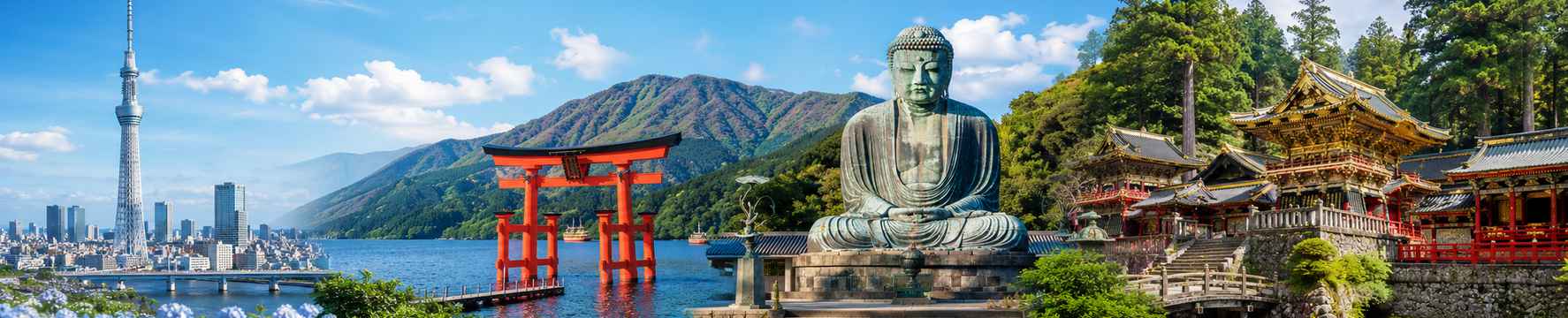
Tokyo ryokans offer a softer, more traditional base in Japan’s busiest city, from old-town stays around Asakusa, Ueno, Yanaka and Sumida to quieter inns in western Tokyo near Mount Mitake. Choose this area for tatami-style rooms, Japanese hospitality and easy access to highlights such as Sensō-ji Temple, Tokyo Skytree, Shinjuku, Ginza and major train links. While Tokyo is not a classic onsen resort, the city has a rich public bath and hot spring bathing culture, making it a practical choice for travelers who want Japanese atmosphere without leaving the capital.
42 ryokan(s) shown out of 42 in this region.
 -
No overall rating yet
-
No overall rating yet
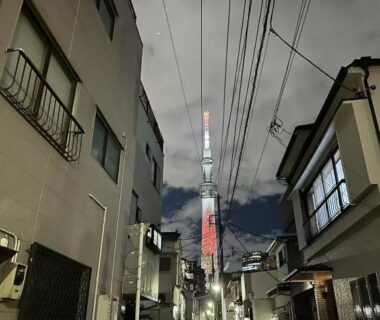
Futago no Yado, bâtiment sud à Asakusa
This property appears to be a family-size stay in Kameido, not central Asakusa, and it suits travelers who want extra space near Tokyo Skytree-s…
 -
183 reviews
-
183 reviews
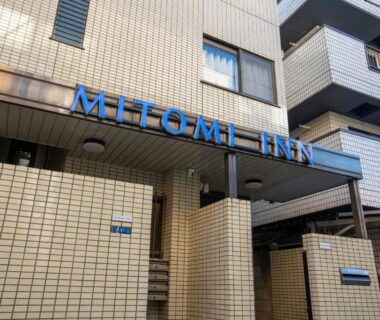
Mitomi inn
A practical Kamata stay that suits travelers who want more space, in-room self-catering features, and easier access to Haneda than central Tokyo…
Top 10 ryokans in Tokyo
Ranking based on overall rating and review volume. Includes this category and its subcategories.
-
🥇 1cyashitsu ryokan asakusa9.5/10 · 669 reviews
-
🥈 2Tokyo inn Sakura An9.7/10 · 65 reviews
-
🥉 3New Open Rosenheim 旅館 スイートルームB無料WIFI9.4/10 · 1,317 reviews
-
4Nobori9.7/10 · 53 reviews
-
5Takanawa Hanakohro, a Member of Small Luxury Hotels of the World9.4/10 · 360 reviews
-
6Ito Ryokan9.4/10 · 209 reviews
-
7Japanese traditional house.Ryokan in asakusa with 2bedrooms9.4/10 · 79 reviews
-
8Annex Katsutaro Ryokan9.2/10 · 1,426 reviews
-
9Ryokan Sansuiso9.2/10 · 251 reviews
-
10寅ホテル 御徒町 TORA HOTEL Okachimachi9.2/10 · 182 reviews
Traveler itineraries including Tokyo
Ryokans from Tokyo appear in 15 public itineraries.
3 days – Nagano > Tokyo-to > Wakayama
3 stops4 days – Kyoto > Tokyo-to > Ishikawa > Shizuoka
4 stops4 days – Yamanashi > Ishikawa > Tokyo-to > Nagano
4 stops3 days – Nagano > Mie > Tokyo-to
3 stops3 days – Nagano > Tokyo-to > Oita
3 stops6 days – Tochigi > Gifu > Tokyo-to > Nagano
6 stops7 days – Shizuoka > Kanagawa > Kyoto > Ishikawa
7 stops4 days – Oita > Mie > Gifu > Tokyo-to
4 stops4 days – Tokyo-to > Fukushima > Yamanashi > Hokkaido
4 stops6 days – Gifu > Mie > Saga > Oita
6 stopsBest time to visit Tokyo
Spring and autumn are Tokyo's most comfortable seasons, while summer is hot and humid and winter is cool but usually clear.
-
JanuaryGood7/10WeatherCool, dry winter weather with many sunny days.TemperatureDay 10°C - Night 2°CCool Dry ClearGood forClear skies suit city views.Watch outCold evenings reduce outdoor comfort.SeasonNew Year shrine visits and winter illuminations.TipBook New Year dates early and expect some business closures.Moderate crowds
-
FebruaryGood7/10WeatherCool and dry, slightly milder than January.TemperatureDay 10°C - Night 3°CCool DryGood forLower crowds at major sights.Watch outStill chilly for long walks.SeasonPlum blossoms begin; Setsubun events at temples.TipGood month for museums, gardens, and easier hotel rates.Low crowds
-
MarchExcellent9/10WeatherMild early spring with warming temperatures.TemperatureDay 14°C - Night 6°CMild Spring FlowersGood forEarly spring weather and blossoms.Watch outPeak bloom dates are short.SeasonTokyo Marathon; cherry blossoms from late March.TipReserve popular sakura areas and weekend stays well ahead.Busy
-
AprilExcellent9/10WeatherPleasant spring conditions with comfortable days.TemperatureDay 19°C - Night 11°CMild Spring FlowersGood forComfortable weather for neighborhood exploring.Watch outPopular parks stay busy.SeasonEarly blossoms linger; spring flowers and fresh greenery.TipVisit gardens on weekdays for a calmer spring experience.Busy
-
MayExcellent9/10WeatherWarm, generally comfortable, and often one of Tokyo's best months.TemperatureDay 23°C - Night 16°CWarm ComfortableGood forWarm, comfortable sightseeing weather.Watch outGolden Week spikes prices and crowds.SeasonSanja Matsuri and Golden Week travel rush.TipAvoid Golden Week if you want easier reservations.Very busy
-
JuneMixed6/10WeatherWarm and humid, with the rainy season usually underway.TemperatureDay 26°C - Night 20°CHumid Rainy SeasonGood forHydrangeas brighten temple gardens.Watch outFrequent rain and humidity.SeasonRainy season; Sanno Matsuri in mid-June.TipCarry light rain gear and plan indoor backups.Moderate crowds
-
JulyMixed5/10WeatherHot and humid; early month can still be rainy.TemperatureDay 30°C - Night 24°CHot Humid Rainy SeasonGood forLively summer festival atmosphere.Watch outHeat and humidity are tiring.SeasonSumida River Fireworks on late July weekend.TipChoose hotels near stations to reduce walking in heat.Busy
-
AugustLess ideal4/10WeatherVery hot, humid summer weather with occasional storm disruption.TemperatureDay 31°C - Night 25°CVery Hot Humid Storm RiskGood forBig summer events and fireworks.Watch outOppressive heat and holiday crowds.SeasonObon travel peak; summer fireworks and festivals.TipUse early mornings and evenings for outdoor plans.Very busy
-
SeptemberMixed5/10WeatherStill warm and humid, easing later in the month.TemperatureDay 27°C - Night 22°CWarm Humid Typhoon RiskGood forLate month can feel easier.Watch outTyphoon risk can disrupt plans.SeasonAutumn starts, but storm risk remains.TipKeep transport plans flexible and monitor forecasts.Moderate crowds
-
October Current monthExcellent9/10WeatherComfortable autumn weather with lower humidity.TemperatureDay 22°C - Night 16°CComfortable DryingGood forComfortable weather for all-day sightseeing.Watch outHoliday weekends can get busy.SeasonPleasant autumn outings and local festivals.TipIdeal for combining city stays with garden walks.Busy
-
NovemberExcellent9/10WeatherCrisp, stable autumn conditions and some of Tokyo's best seasonal scenery.TemperatureDay 17°C - Night 10°CCrisp Autumn LeavesGood forBest month for autumn color.Watch outPopular foliage spots get crowded.SeasonJingu Gaien ginkgo and late autumn leaves.TipGo early for ginkgo avenues and major gardens.Busy
-
DecemberGood7/10WeatherCool, drier winter weather with many clear days.TemperatureDay 12°C - Night 5°CCool Dry ClearGood forClear air and illuminations.Watch outYear-end crowds build later.SeasonWinter illuminations and year-end atmosphere.TipEarly December is calmer than the holiday week.Moderate crowds
How long to stay in Tokyo
Tokyo rewards both short first visits and longer, slower stays, especially if you want ryokan nights, old-town districts, gardens, and day trips.
Three nights covers major districts; four to five nights gives a better pace for traditional neighborhoods, seasonal gardens, and a ryokan stay.
Quick first trip
3 nightsMajor highlights and efficient sightseeing
Enough for core areas such as Asakusa, Shibuya, Shinjuku, and one museum or garden day.
Good minimum if Tokyo is part of a wider Japan itinerary.
Balanced Tokyo stay
4 to 5 nightsCulture, food, neighborhoods, and flexible pacing
Lets you add seasonal gardens, evening views, a local festival or market, and a ryokan-style stay without rushing.
Best overall choice for most travelers.
Deeper exploration
6 to 7 nightsRepeat visitors, shopping, food lovers, and day trips
Adds time for western Tokyo, Yanaka or Kagurazaka, onsen or ryokan nights, and day trips like Nikko, Kamakura, or Hakone.
Choose this if Tokyo is a main base, not a stopover.
- Stay near a major station for easier transfers across the city.
- Ryokan options in Tokyo are limited, so book earlier for popular seasons.
- Add at least one slower day for gardens, old neighborhoods, or a bathhouse visit.
- Avoid packing too many districts into one day; travel times add up.
Tokyo seasonal events calendar
Tokyo has major recurring events across the year, though exact dates can vary annually and some are neighborhood-specific.
Hatsumode
Major shrines and temples across Tokyo
New Year shrine and temple visits draw large local crowds and festive food stalls.
Go early in the morning for a calmer visit.
Winter Illuminations
Central Tokyo districts
Seasonal light displays continue in several commercial districts at the start of the year.
Good for evening walks after sightseeing.
Many businesses close around New Year holidays.
Setsubun ceremonies
Temples and shrines across Tokyo
Bean-throwing rites mark the start of spring in the traditional calendar.
Useful cultural stop if dates align.
Plum blossom season
Tokyo gardens and parks
Plum blossoms bloom before cherry season and are easier to enjoy with lighter crowds.
A quieter flower-viewing month than March.
More cultural than festival-heavy compared with spring.
Tokyo Marathon
Central Tokyo
Major annual marathon with route-side crowds and road closures.
Check route impacts when choosing hotels and transfers.
Cherry blossom season begins
Parks, riversides, and gardens across Tokyo
Sakura usually begin peaking from late March into early April depending on the year.
Book early for popular blossom weekends.
Exact bloom timing changes each year.
Cherry blossom viewing
Chidorigafuchi, Ueno, Sumida and elsewhere
Early April often remains prime for hanami and evening illuminations in some areas.
Visit on weekdays to avoid peak congestion.
Spring flower season
Gardens across Tokyo
Azaleas, wisteria, and other spring flowers extend the seasonal appeal after sakura.
Good month for garden-focused itineraries.
Crowds remain heavy around the best blossom spots.
Sanja Matsuri
Asakusa Shrine, Taito City
One of Tokyo's biggest traditional festivals, famous for mikoshi processions and dense crowds.
Excellent for atmosphere, but expect major congestion.
Kurayami Matsuri
Okunitama Shrine, Fuchu
Historic festival known for nighttime mikoshi events and strong local character.
Worth considering if staying longer in Tokyo.
Golden Week can make transport and lodging busier across the city.
Sanno Matsuri
Hie Shrine, Chiyoda City
One of Edo's great traditional festivals, with larger processions in some years.
Check the annual schedule; scale varies by year.
Hydrangea season
Temple gardens and parks
Hydrangeas become a seasonal highlight during the rainy season.
Best paired with flexible indoor plans.
June is shaped more by rain and humidity than by citywide festival concentration.
Sumida River Fireworks Festival
Sumida River, near Asakusa
One of Tokyo's signature summer events, drawing very large crowds.
Book nearby stays early or avoid the area entirely that evening.
Summer matsuri season
Neighborhoods across Tokyo
Shrine festivals and Bon Odori events increase as summer deepens.
Great for local atmosphere near residential areas.
Heat and humidity are significant even when events are appealing.
Obon period
Across Tokyo
Holiday travel period affects reservations and crowd patterns despite some offices emptying out.
Book transport and lodging early.
Summer fireworks and Bon dances
Various Tokyo neighborhoods
Local fireworks and Bon Odori continue through the hottest part of summer.
Best enjoyed after sunset.
Exact event schedules vary by ward and can be weather-dependent.
Autumn festivals begin
Shrines across Tokyo
Local shrine festivals become more common as summer fades.
Check ward-level calendars if you want neighborhood events.
Typhoon risk can affect outdoor plans and event operations.
Tokyo Yosakoi
Ikebukuro
Large annual dance festival adding energy to autumn weekends.
Good pick if you enjoy performance events.
Autumn festival season
Various Tokyo districts
Pleasant weather supports neighborhood matsuri and outdoor cultural events.
Strong month for walking-based itineraries.
A comfortable month even without targeting specific large events.
Jingu Gaien Ginkgo Avenue season
Meiji Jingu Gaien
Tokyo's famous ginkgo-lined avenue turns bright yellow and attracts heavy foot traffic.
Visit early in the day for photos.
Tori-no-Ichi
Asakusa and other shrines
Traditional fair for business prosperity, known for decorated kumade rakes.
A strong seasonal culture pick for evening visits.
One of Tokyo's best months for classic autumn scenery.
Winter illuminations
Central Tokyo districts
Major commercial areas host popular annual illumination displays.
Ideal for evening strolls and dining.
Year-end temple and market atmosphere
Various areas of Tokyo
The city shifts toward year-end traditions and holiday-season shopping activity.
Expect busier transport later in the month.
Good seasonal atmosphere, though some places shorten hours near year-end.
Tokyo Ryokan FAQ: How to Choose the Right Stay
Which Tokyo ryokan is best for first-time visitors who want to stay near Senso-ji and Kaminarimon?
Ryokan Asakusa Shigetsu is the strongest first-time pick if your priority is classic Asakusa sightseeing on foot. It sits right in central Asakusa, close to Senso-ji, Kaminarimon, and station access, and it also has a sixth-floor observation bath. Choose Ryokan Kamogawa Asakusa instead if you want a smaller traditional stay with a private bath option. Tradeoff: Kamogawa has no meal plan, while Shigetsu’s bath is communal.
Pick Shigetsu for the strongest landmark location; pick Kamogawa if a private bath matters more than extra facilities.
What is the best Tokyo ryokan with a private bath or reservable bath for couples?
Ryokan Kamogawa Asakusa is the clearest couple-friendly choice if you want a private bath in central Tokyo. It combines a traditional Asakusa stay with very strong sightseeing access and a private bath option. Cyashitsu Ryokan Asakusa is the better alternative if you prefer a design-led mood and a reservable rooftop open-air bath with Skytree views. Tradeoff: Cyashitsu’s rooms are notably compact, while Kamogawa is more classic than stylish.
Choose Kamogawa for simpler traditional comfort; choose Cyashitsu for atmosphere and a more memorable bath setting.
Which Tokyo ryokan is best if I want a real onsen feeling, not just a simple city hotel?
In Tokyo, Nobori is the best fit if you want a stay shaped by place and atmosphere rather than just a city room. It is a historic shukubo on Mount Mitake with mountain scenery, meals, and a traditional bath, but it is not a true onsen. If you need Tokyo city access instead, Ryokan Asakusa Shigetsu gives you a more classic ryokan mood with a public bath in Asakusa. Limitation: the available Tokyo options mostly offer bath experiences, not verified natural hot springs.
Book Nobori for mountain atmosphere; book Shigetsu if you need central Tokyo and can accept a city bath instead of a hot-spring retreat.
Which Tokyo ryokan is best for families or groups who need more space than a typical Tokyo room?
Tokyo inn Sakura An is the most practical family choice if you want Japanese-style space near Asakusa. It accommodates up to six guests, has a kitchen, and sits in a quieter Sumida pocket while still being walkable to Asakusa sights. For larger groups, TORA HOTEL Okachimachi is the stronger alternative because its apartment-style layouts are much bigger and better equipped, but it feels more like a modern group stay than a traditional ryokan.
Choose Sakura An for a more local tatami feel; choose TORA HOTEL if maximum space and appliances matter more than ryokan character.
Where should I stay in Tokyo for a luxury ryokan-style experience near Shinagawa or central transport?
Takanawa Hanakohro is the clear luxury ryokan-style choice in Tokyo if you want refined service, Japanese design, and very convenient Shinagawa access. Its garden setting and small suite count make it feel more exclusive than a standard city hotel. The tradeoff is that it is an urban luxury retreat, not an onsen property, and pricing reflects that. No similarly polished luxury ryokan alternative is clearly supported by the available Tokyo properties.
Book it when convenience, privacy, and a rare luxury ryokan mood in Tokyo matter more than bath-focused resort features.
What is the best budget ryokan in Tokyo with traditional tatami rooms and easy station access?
Ryokan Sansuiso is the most balanced budget pick if you want a genuine tatami-and-futon stay with very easy station access. It is near Gotanda Station, usually good value, and gives a more traditional feel than a basic business hotel. Annex Katsutaro Ryokan is the better alternative if you prefer old-town Yanaka atmosphere over transport convenience. Tradeoff: Sansuiso is more practical, while Annex Katsutaro is better for neighborhood charm.
Choose Sansuiso for rail convenience; choose Annex Katsutaro if you want a quieter old-Tokyo setting and can accept a less central nightlife base.
Which Tokyo ryokan is best near Ueno Park, museums, and Yanaka’s old Tokyo atmosphere?
Ryokan Katsutaro is the strongest match if you want a budget traditional stay near Ueno Park, Nezu, and Yanaka. It balances tatami-room character with a quieter local setting and good subway access. Choose Annex Katsutaro Ryokan instead if you want to lean more heavily into Yanaka’s old-town mood and easier Sendagi access. Tradeoff: Ryokan Katsutaro is better for Ueno-side convenience, while Annex feels more neighborhood-focused.
Pick Katsutaro for Ueno and museum days; pick Annex Katsutaro for Yanaka walks and a calmer local base.
Which Tokyo ryokan should I choose for Asakusa if I want a more stylish or design-focused stay?
Cyashitsu Ryokan Asakusa is the best design-forward Asakusa option if you want a memorable, curated stay rather than a standard inn. Its tea-room concept and reservable rooftop bath make it stand out, especially for short stays. Asakusa Ryokan Toukaisou is the better value alternative if you mainly want a traditional-style room in Asakusa without paying for design. Tradeoff: Cyashitsu is more atmospheric, while Toukaisou is simpler and more budget-minded.
Go with Cyashitsu for style and a special-night feel; choose Toukaisou for practicality and lower-cost Asakusa access.
What is the best Tokyo ryokan near Haneda Airport for a short overnight stay?
Mitomi inn 京急蒲田駅 is the most practical short-stay choice if Haneda access is your main goal. It is close to Keikyu Kamata Station, making late arrivals and early departures easier than staying deeper in central Tokyo. If you want something more traditional and still well connected, Ryokan Sansuiso is a reasonable alternative near Gotanda, but it is less airport-focused. Limitation: neither is a bath retreat or full ryokan destination stay.
Choose Mitomi inn for airport logistics first; choose Sansuiso only if you want a more traditional room and still decent transport links.
Which Tokyo ryokan is best for a quiet retreat away from central Tokyo crowds?
Nobori is the best choice if you want to leave the city behind and stay somewhere with mountain calm, shrine-lodge character, and hiking access. It is far more retreat-like than central Tokyo ryokans, but access takes effort and it is not a true onsen stay. For a quieter city option, The Edo Sakura works better than busy Asakusa inns because its Taito setting is calmer while still giving access to Ueno and east Tokyo.
Pick Nobori for a real change of pace and nature; pick The Edo Sakura if you want calm nights without leaving Tokyo city sightseeing range.