
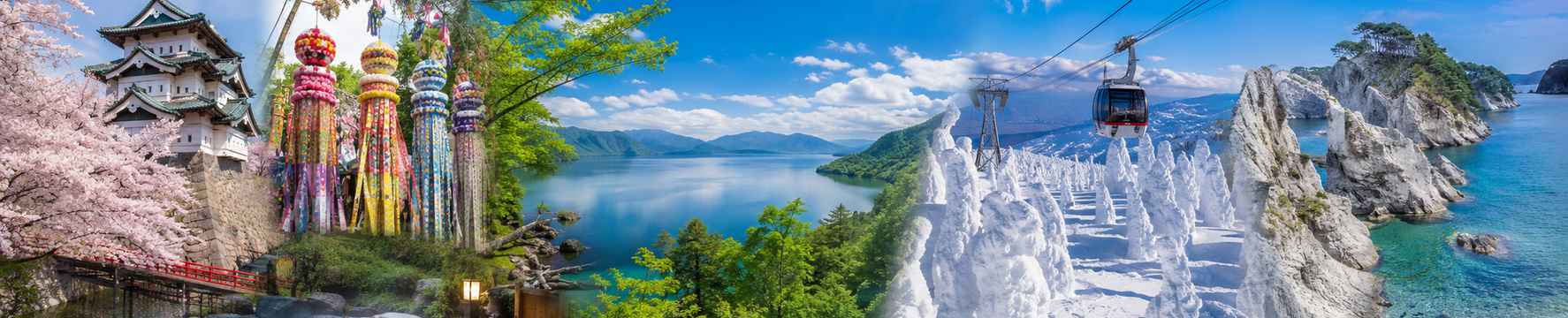
Explore the best ryokans in Tōhoku, Japan’s scenic northeast, where mountain hot springs, quiet countryside inns, and seasonal landscapes create a deeply relaxing escape. Covering Aomori, Iwate, Miyagi, Akita, Yamagata, and Fukushima, the region is known for onsen areas such as Hanamaki, Hachimantai, Zao, Ginzan, Tsuchiyu, and Higashiyama, as well as highlights like Matsushima Bay, Yamadera, Oirase Stream, and the Sanriku Coast. With Tohoku Shinkansen access from Tokyo and Sendai as a convenient gateway, Tōhoku suits travelers seeking ryokan stays with nature, snow scenery, autumn colors, local cuisine, and a slower pace.
154 ryokan(s) shown out of 154 in this region.
7.9
6 reviews
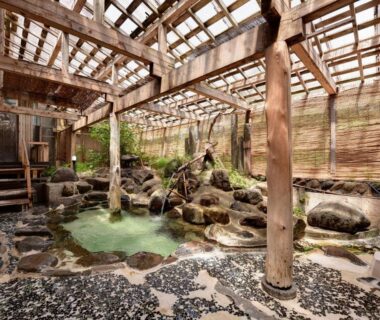
Yumorinoyado Sannozyou
A traditional hot-spring ryokan in Akakura Onsen, Mogami, this is a strong pick if you want character, flowing natural baths, and a quieter rura…
7.8
250 reviews
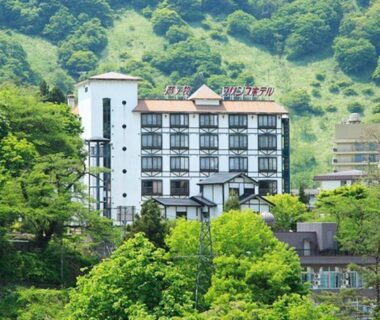
Ashinomaki Prince Hotel
Ashinomaki Prince Hotel is a casual onsen stay in Ashinomaki Onsen, Aizuwakamatsu, better suited to travelers who value hot springs, mountain vi…
7.8
865 reviews
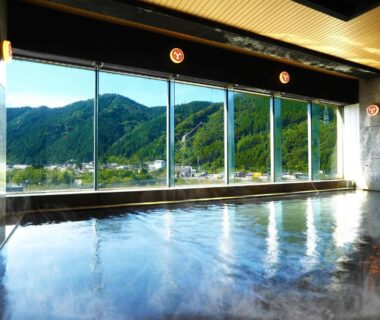
Ooedo Onsen Monogatari Kounkaku
This is a large-scale onsen hotel in Naruko Onsen, Osaki, Miyagi, suited to travelers who want varied baths, easygoing buffet dining, and good v…
7.8
4 reviews
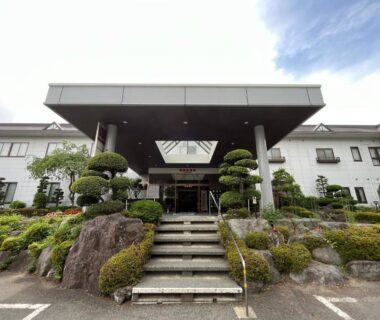
Shugyoku no Yu Yakushido Onsen
This is a practical hot spring stay in Oshu, Iwate, with a genuine onsen setup, local food, and flexible room options. It suits travelers who wa…
7.8
74 reviews
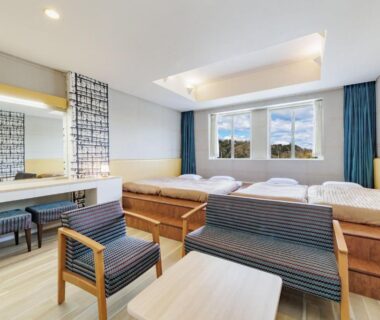
Spa Resort Hawaiians VIR Port
This is a strong pick for travelers who want to stay inside Spa Resort Hawaiians and maximize easy access to the pools, baths, and family entert…
7.7
267 reviews
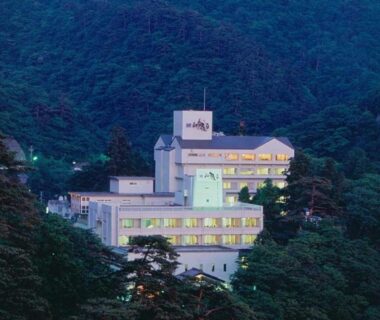
Higashiyama Park Hotel Shinfugetsu
This is a budget-friendly onsen hotel in Higashiyama Onsen, Aizuwakamatsu, best suited to travelers who care more about value, baths, and easygo…

7.7
132 reviews
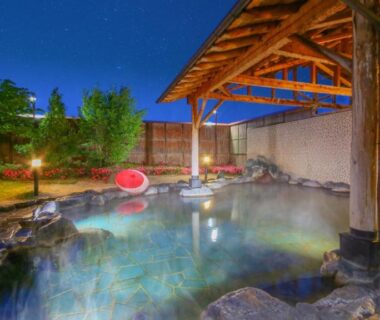
Hotel Senshukaku
This is a large onsen hotel in the Hanamaki Onsen complex, better suited to travelers who want variety and easy resort-style facilities than an…
7.7
437 reviews
Ooedo Onsen Monogatari Aizu
A practical hot-spring stay in Aizuwakamatsu that works best for travelers who want a large, affordable onsen base with easy access to major Aiz…
7.6
373 reviews
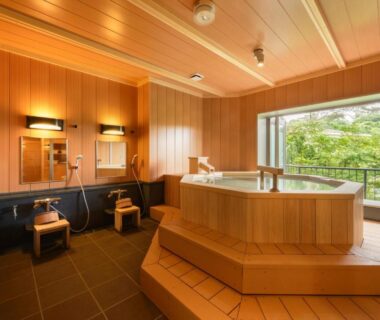
Shintomi-tei
A practical Matsushima ryokan with scenic bay-facing potential, traditional meals, and baths that suit travelers who want a classic regional sta…
7.6
312 reviews
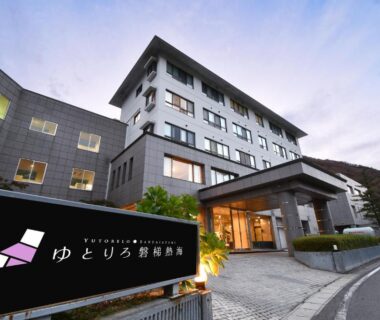
Yutoriro Bandai Atami
This is a solid choice for travelers who want a nature-framed onsen stay in the Bandai-Atami area with some distinctive local touches. It suits…
7.5
503 reviews
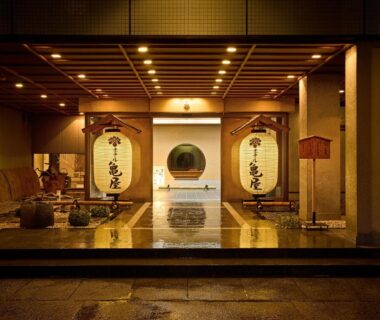
Hotel Kameya
A solid choice for travelers who want a traditional onsen stay in Naruko with spacious Japanese-style rooms and multiple bath options. It is mor…
7.5
80 reviews
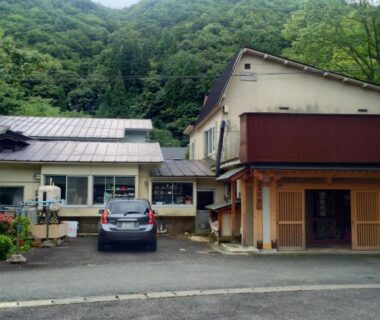
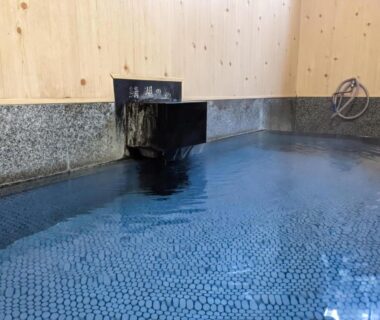
Onsen Minshuku Sakaeya
A simple budget ryokan in the Oshuku Onsen area of Shizukuishi, Iwate, it looks best for travelers who want an inexpensive hot-spring stay rathe…
7.5
7 reviews
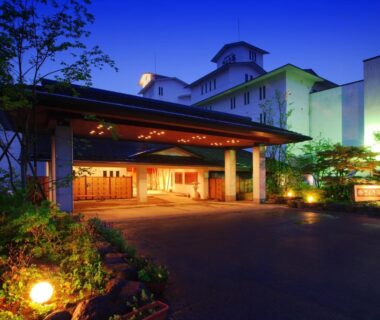
Onsenya Hirosuke Ryokan
A simple, budget-friendly ryokan in Iizaka Onsen that works best for travelers who care more about authentic hot-spring bathing and local food t…
7.5
220 reviews
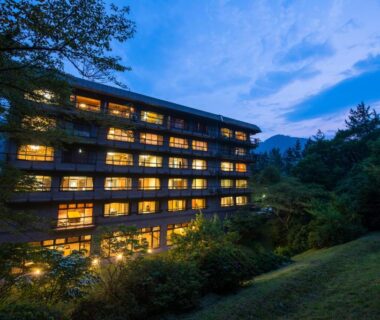
Sansatei
A solid countryside onsen stay in Togatta Onsen with open views of the Zao range, spacious traditional rooms, and easy access from Sendai by hig…
7.4
643 reviews
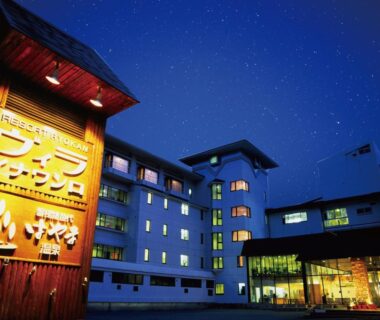
Takamiya Bettei Kuon
A modern hot spring ryokan in Atsumi Onsen, Tsuruoka, with a stronger appeal for travelers who want a comfortable onsen stay and regional meals…
7.4
87 reviews
Villa Inawashiro
A solid resort-style stay in Inawashiro for travelers who want mountain scenery, hot springs, and very easy ski access. It is especially appeali…
7.3
64 reviews
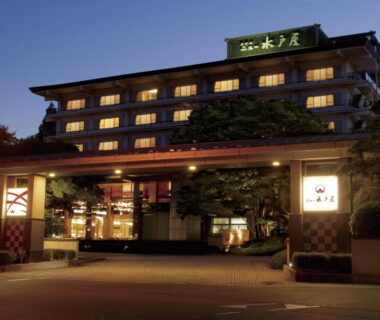
Hotel New Mitoya
Akiu Onsen Hotel New Mitoya is a well-known hot spring resort in Akiu, Sendai, and it stands out most for the sheer scale of its bath facilities…
7.3
135 reviews
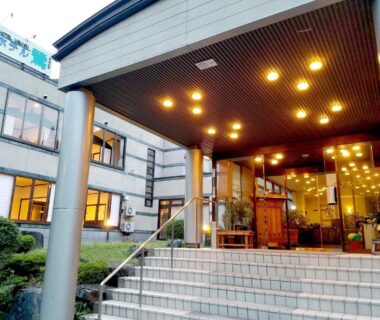
Hotel Uguisu
A simple, old-school onsen ryokan in Oshuku Onsen that stands out more for its genuine hot spring experience and good value than for polished fa…
7.3
31 reviews
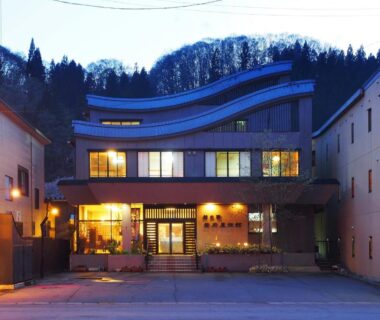
Tofuya Ryokan, Onogawa Onsen, Sauna, Barrier-free
A strong pick if you want a small onsen ryokan with unusually thoughtful accessibility and real hot-spring bathing in Onogawa Onsen. It is less…
7.2
191 reviews
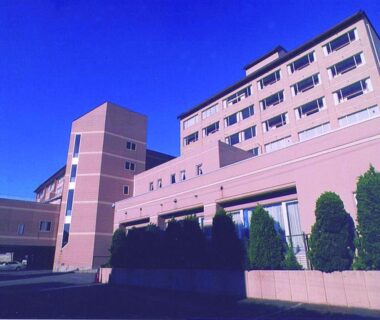
Hotel Tetora Resort Tsuruoka
This is a practical coastal onsen stay in Tsuruoka that suits travelers who want hot-spring bathing, sea views, and easy access to the Yunohama…
7.1
70 reviews
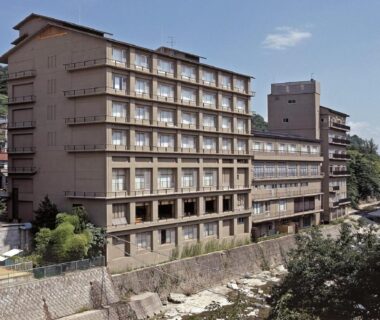
Itoen Hotel Iizakakanouya
A budget-friendly hot spring stay in Iizaka Onsen that works best for travelers who prioritize value, buffet dining, and a relaxed local onsen-t…
7.1
37 reviews
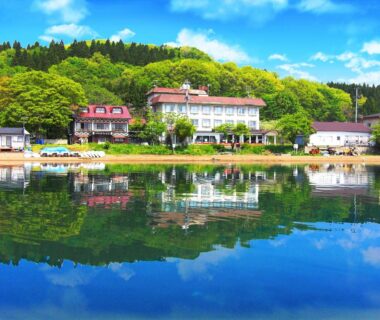
Lake Side Hotel Minatoya
A lakeside stay in Inawashiro with standout scenery and some unusually fun extras, especially if you like sauna, BBQ, or a retro local atmospher…
7.0
120 reviews
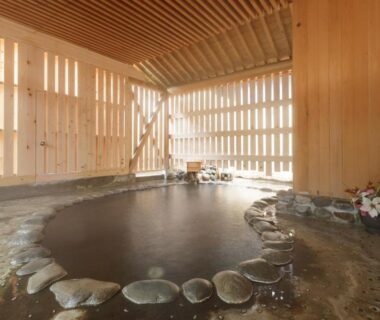
Dai Onsen Matsudaya Ryokan
A solid pick for travelers who want a traditional hot-spring stay in Hanamaki with a nostalgic atmosphere and generous Japanese meals. It suits…
6.8
3 reviews
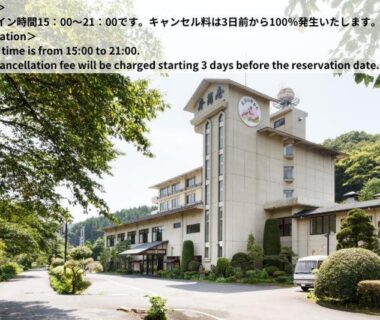
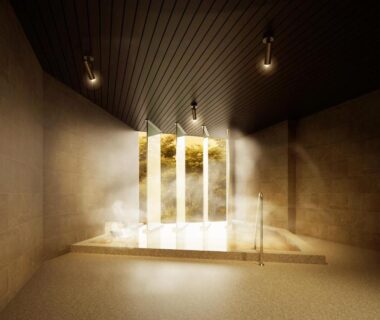
Shikibu no Yakata Izutsuya
This is a countryside onsen ryokan in Ishikawa Town, Fukushima, best suited to travelers who want a quiet traditional stay centered on bathing a…
6.5
56 reviews
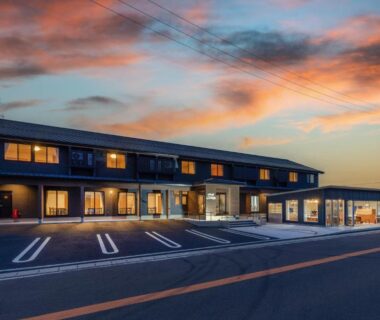
Aizu Higashiyama Onsen “Tsuki no Akari” self-service INN
This is a budget-oriented hot spring stay in Higashiyama Onsen that suits travelers who care more about onsen access and room space than polishe…
5.0
2 reviews
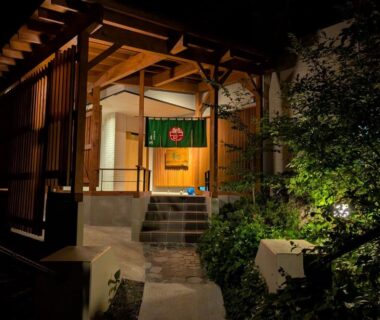
Isamiya, auberge du voyage et de la découverte
This is a distinctive seaside stay in Matsukawaura, Soma, best suited to travelers who value local seafood experiences over luxury ryokan tradit…
5.0
1 reviews
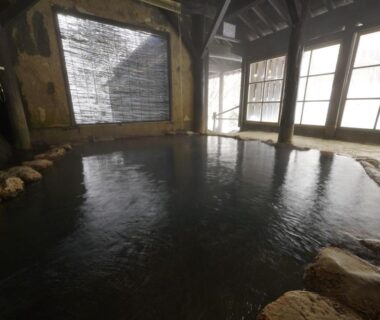
Shinobu Onsen Seishū
Shinobu Onsen Seishu is a very small luxury-style onsen retreat in Fukushima City aimed at travelers who want privacy, quiet nature, and a more…
4.4
174 reviews
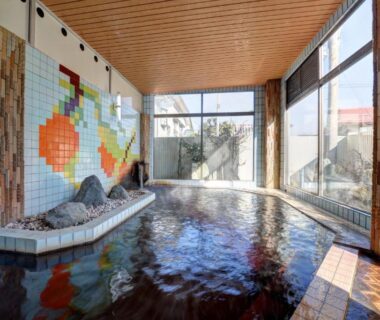
Mori no RyoTei Mount Bandai
A forest-surrounded onsen ryokan in the Yokomuki Onsen area of Inawashiro, best suited to travelers who want a quiet hot-spring stay rather than…
4.1
25 reviews
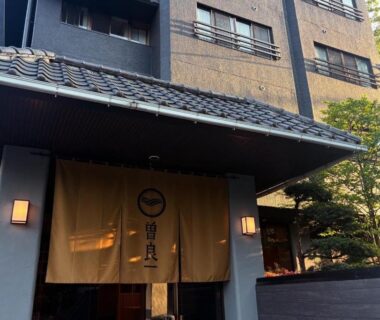
Keyaki no Yado, source ambrée
This is a small hot-spring ryokan in Sakurambo Higashine Onsen, Higashine, Yamagata, suited to travelers who care most about easy access to an a…
4.0
215 reviews
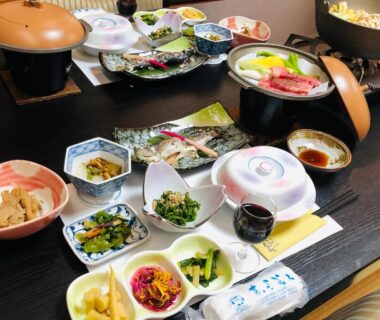
soraichi
A small traditional stay in Akiu Onsen, soraichi suits travelers who want a quieter, more old-school ryokan feel rather than a polished resort e…
-
No overall rating yet
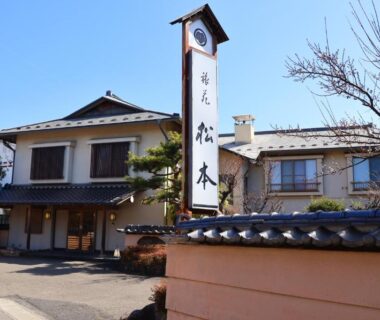
Kashiwaya Gassan
This is a small hot-spring ryokan in Shizu Onsen, Nishikawa, at the foot of Mt. Gassan, and it suits travelers who want a quiet mountain stay wi…
-
No overall rating yet
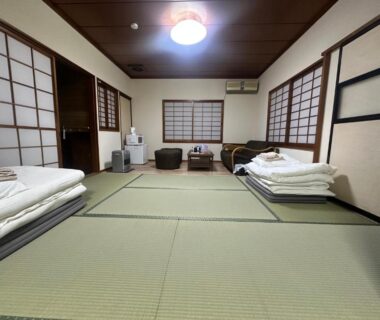
Renovated room! Japanese inn Matsumoto
A practical traditional stay in Ichinoseki with renovated Japanese-style rooms, a small hot spring-style bath, and easy access to Hiraizumi-area…
-
No overall rating yet
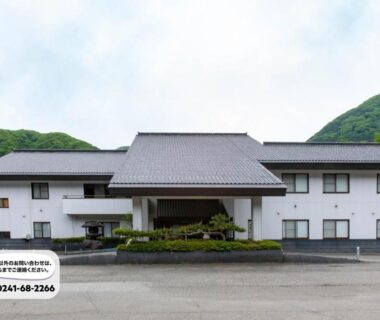
Suzuya
This Suzuya appears to be a small ryokan-style stay in Hanabuchihama, Shichigahama, Miyagi, suited to travelers who want a quiet coastal base ra…
-
No overall rating yet
Tabist Koboshi no Yu Senshintei Aizu Yunokamionsen
A quiet forest-surrounded onsen ryokan in Yunokami Onsen that suits travelers who want a calm stay near Ouchi-juku. It is a stronger choice for…
Top 10 ryokans in Tōhoku
Ranking based on overall rating and review volume. Includes this category and its subcategories.
-
🥇 1Sakaeya Hotel10.0/10 · 118 reviews
-
🥈 2竹泉荘 Chikusenso Onsen9.7/10 · 225 reviews
-
🥉 3Hohoemino Kuyufu Tsuruya9.4/10 · 965 reviews
-
4Shouhakutei Azumaso9.3/10 · 179 reviews
-
5Takamiya Ryokan Miyamaso9.2/10 · 1,267 reviews
-
6Komatsu-kan Kofu-tei9.2/10 · 1,097 reviews
-
7Hayamakan9.2/10 · 730 reviews
-
8Tendo Hotel9.2/10 · 539 reviews
-
9Tamonkan9.2/10 · 313 reviews
-
10天童荘 TENDOSO9.6/10 · 29 reviews
Traveler itineraries including Tōhoku
Ryokans from Tōhoku appear in 32 public itineraries.
3 days – Fukushima > Wakayama > Nagano
3 stops5 days – Ishikawa > Miyagi > Niigata > Kyoto
5 stops4 days – Gunma > Fukushima > Shizuoka > Kyoto
4 stops4 days – Kanagawa > Hyogo > Iwate
4 stops2 days – Iwate > Kyoto
2 stops7 days – Kumamoto > Shizuoka > Yamagata > Mie
7 stops4 days – Fukushima > Saga > Gunma > Miyajima
4 stops4 days – Fukushima > Shizuoka > Oita > Wakayama
4 stops3 days – Miyagi > Nagano > Kanagawa
3 stops6 days – Gifu > Fukushima > Oita > Shizuoka
6 stopsBest time to visit Tōhoku
Tōhoku rewards spring blossoms, summer festivals, autumn foliage, and snowy onsen winters, but timing varies across its broad six-prefecture region.
-
JanuaryMixed6/10WeatherDeep winter across much of the region, with frequent snow inland and around the Sea of Japan side; Pacific cities are colder but often drier.TemperatureDay -1°C - Night -8°CSnow Ice ColdGood forExcellent for onsen and snow scenery.Watch outSnow can disrupt mountain access.SeasonZao snow monsters; winter illuminations and ski season.TipChoose rail-linked onsen towns and keep plans flexible for weather delays.Moderate crowds
-
FebruaryGood7/10WeatherStill very cold, with reliable snow in mountain and inland areas and icy mornings common across much of Tōhoku.TemperatureDay 0°C - Night -7°CSnow Ice ColdGood forBest month for winter festivals.Watch outVery cold outside cities and baths.SeasonHirosaki Castle Snow Lantern; Yokote Kamakura season.TipGreat for ryokan stays with rotenburo, but wear serious winter footwear.Moderate crowds
-
MarchMixed5/10WeatherA transition month: lowlands gradually thaw, but mountains remain wintry and weather swings are common.TemperatureDay 4°C - Night -3°CCold Late Snow VariableGood forLower prices before blossom season.Watch outBare scenery and mixed conditions.SeasonLate winter landscapes; few major region-wide events.TipGood for quiet hot-spring trips rather than scenery-driven touring.Low crowds
-
AprilExcellent9/10WeatherCool and increasingly pleasant, with cherry blossom season moving northward through the region from mid to late spring.TemperatureDay 10°C - Night 2°CCool Blossoms VariableGood forCherry blossoms arrive later than Tokyo.Watch outBloom timing shifts by area.SeasonKitakami Tenshochi and northern sakura season begin.TipStart south earlier in April; go farther north later in the month.Busy
-
May Current monthExcellent9/10WeatherFresh, comfortable spring weather with green mountains, lingering blossoms in northern spots, and generally easy touring conditions.TemperatureDay 16°C - Night 8°CMild Fresh GreeneryGood forComfortable touring weather and fresh greenery.Watch outGolden Week crowds raise prices.SeasonLate blossoms in Aomori; trekking and scenic drives.TipAvoid early May holiday dates if you want quieter ryokan stays.Busy
-
JuneGood7/10WeatherEarly summer is mild to warm; rain increases, though Tōhoku is generally less oppressive than much of central and western Japan.TemperatureDay 20°C - Night 13°CRain Greenery Mild HumidityGood forLush scenery with fewer tourists.Watch outRainy spells can limit views.SeasonHydrangeas and fresh green landscapes.TipA smart month for quieter onsen and countryside stays.Low crowds
-
JulyGood7/10WeatherWarm and greener, with some rainy-season weather early on and more comfortable summer temperatures than many southern regions.TemperatureDay 24°C - Night 18°CWarm Humidity Rain PossibleGood forPleasant summer escape from hotter regions.Watch outSome humidity and rain remain.SeasonFestival season starts; mountain hikes improve.TipCombine cooler upland ryokan areas with summer city festivals.Moderate crowds
-
AugustExcellent9/10WeatherWarm summer weather across the region; cities can be humid, but festivals and higher elevations make this a signature season.TemperatureDay 26°C - Night 20°CWarm Festival Season HumidityGood forPeak month for Tōhoku festivals.Watch outPopular dates book out early.SeasonAomori Nebuta, Akita Kanto, Sendai Tanabata.TipReserve festival-city lodging and rail seats far ahead.Very busy
-
SeptemberGood7/10WeatherEarly autumn begins, with easing heat, greener mountains, and occasional rain or typhoon effects, usually lighter than farther south.TemperatureDay 22°C - Night 16°CMild Rain Possible Early AutumnGood forCooler weather than August.Watch outRain and typhoon risk remain.SeasonRice harvest scenery; early autumn in highlands.TipBest for relaxed drives, food trips, and onsen stays.Moderate crowds
-
OctoberExcellent9/10WeatherCool, crisp, and one of the region's most attractive months, with autumn color spreading from mountains into lower areas.TemperatureDay 15°C - Night 8°CCool Foliage Clear DaysGood forPeak foliage and comfortable temperatures.Watch outPopular foliage spots get busy.SeasonEarly-to-mid autumn leaves across mountains and valleys.TipMix scenic rail routes, koyo drives, and ryokan nights.Busy
-
NovemberExcellent8/10WeatherLate autumn turns colder, with excellent foliage early in the month and the first snow appearing in higher elevations.TemperatureDay 8°C - Night 2°CCold Nights Foliage Early SnowGood forLate foliage with fewer crowds.Watch outCold nights and shorter days.SeasonLate koyo in lower areas; mountain snow begins.TipIdeal for mixed foliage-and-onsen itineraries before deep winter.Moderate crowds
-
DecemberGood7/10WeatherWinter sets in quickly, especially inland and in the mountains, while coastal cities stay cold and often clearer.TemperatureDay 2°C - Night -4°CSnow Cold Short DaysGood forAtmospheric ryokan and early snowscapes.Watch outSome scenic roads begin closing.SeasonSki areas open; snowy onsen landscapes return.TipBest for cozy winter stays rather than long regional touring.Moderate crowds
How long to stay in Tōhoku
Because Tōhoku is a large region rather than one city, worthwhile stays are usually longer than travelers first expect.
Five to seven nights lets you combine one or two ryokan stays with scenic rail or self-drive travel across multiple prefectures; shorter trips work best when focused on one subregion.
Quick regional sampler
3 to 4 nightsOne city plus one onsen area
Works if you base around Sendai, Morioka, Aomori, or Yamagata and add a nearby ryokan or scenic day trip.
Best when you do not try to cover all six prefectures.
Balanced first trip
5 to 7 nightsRyokan, nature, and culture
Gives enough time for two or three bases, seasonal sights, local food, and a slower countryside pace.
The best overall range for most ryokan travelers.
Deep seasonal circuit
8 to 10 nightsFestival hopping or broad regional touring
Useful in blossom, festival, foliage, or winter seasons when distances, weather, and event timing matter.
Choose this if you want multiple prefectures without rushing.
- Treat Tōhoku as a large region; north-south travel takes time.
- Rail works well between major cities, but many ryokan and scenic areas are easier by car or hotel shuttle.
- In winter, avoid overpacking the itinerary because snow can slow transfers.
- During August festivals and peak foliage weekends, book lodging very early.
Tōhoku seasonal events calendar
These are recurring named events associated with Tōhoku, but exact dates and access vary by year and by prefecture.
Zao Snow Monsters
Yamagata
Frost-covered trees and winter sightseeing around the Zao ropeway area.
Best for snow scenery and onsen-focused stays.
January is more about snow landscapes and winter sports than large region-wide festivals.
Hirosaki Castle Snow Lantern Festival
Aomori
Snow lanterns, kamakura, and winter illuminations around Hirosaki Castle.
Strong choice for atmospheric winter sightseeing.
Yokote Kamakura Festival
Akita
Snow huts lit at night, one of Tōhoku's best-known winter traditions.
Excellent for classic snow-festival culture.
February is one of the strongest winter-event months in Tōhoku.
Few major named region-wide events
Across Tōhoku
March is mainly a shoulder season between snow festivals and sakura.
Choose it for quiet onsen travel rather than event chasing.
Local temple rites and town events exist, but major region-wide standouts are fewer.
Kitakami Tenshochi Cherry Blossom Festival
Iwate
One of Tōhoku's most famous sakura spots, with long rows of cherry trees.
A top pick for blossom-focused itineraries.
Cherry blossom timing shifts from south to north and with elevation.
Hirosaki Cherry Blossom season
Aomori
Among Japan's most celebrated late-blooming castle cherry blossom sites.
Best for travelers seeking later sakura dates.
Early May can still overlap with northern cherry blossoms depending on the year.
Chagu Chagu Umakko
Iwate
Decorated horses parade in one of Tōhoku's best-known traditional events.
A strong cultural option for early summer trips.
June is more about greenery and quieter touring than marquee peak-season festivals.
Few major named region-wide events
Across Tōhoku
Summer builds gradually, with local matsuri and improving mountain access.
Good pre-peak month before August festival crowds.
Late July can already feel festive, but Tōhoku's most famous events cluster in August.
Aomori Nebuta Festival
Aomori
Huge illuminated floats and one of Tōhoku's most famous summer festivals.
Book accommodation far in advance.
Akita Kanto Festival
Akita
Performers balance tall lantern poles in a signature Tōhoku spectacle.
Excellent for iconic festival atmosphere.
Sendai Tanabata Festival
Miyagi
Lavish streamers and city-center decorations create one of Japan's biggest Tanabata events.
Pair with a Sendai city stay or onward ryokan trip.
August is the strongest month for major named events across Tōhoku.
Few major named region-wide events
Across Tōhoku
Harvest scenery, food travel, and cooler weather define the month more than major festivals.
Best for quieter regional touring.
Some local autumn festivals occur, but big region-wide headline events are fewer.
Fujiwara Autumn Festival
Iwate
A well-known Hiraizumi seasonal event tied to the region's historic heritage.
Good addition to an autumn culture itinerary.
October is dominated by foliage travel across mountains, gorges, and scenic roads.
Few major named region-wide events
Across Tōhoku
Late foliage and early winter atmosphere outweigh major festival demand.
Strong month for scenery and ryokan stays.
This is primarily a scenery month rather than a festival month.
Ski season openings
Mountain areas across Tōhoku
Many resorts and snowy onsen areas begin their main winter season.
Good for early snow trips before peak festival demand.
December is more about winter scenery and resort openings than marquee named festivals.
Practical Tōhoku Ryokan FAQ for Choosing the Right Stay
Which ryokan in Tōhoku is best for a luxury private onsen stay?
CHIKUSENSO Mt. Zao Onsen Resort & Spa is the strongest luxury pick if your priority is a high-end private onsen feel. It combines a forested Togatta Onsen setting, strong shared bath facilities, and suites known for private onsen access. As an alternative, Yūsen Shidate is better if you want every room to include its own open-air hot spring bath, but it is adults-focused and more secluded in Shidotaira Onsen.
Choose CHIKUSENSO for broader luxury-resort feel; choose Yūsen Shidate for guaranteed in-room open-air bathing.
Where should I stay in Tōhoku for a classic sulfur onsen experience in Zaō Onsen?
Takamiya Ryokan Miyamaso is the clearest choice for travelers who want a classic Zaō Onsen stay centered on historic atmosphere and multiple baths using natural spring water. It suits guests who value old-wood character and traditional bathing over convenience. Zao Onsen Omiya Ryokan is a better alternative if you want easier ski access and shuttle help from Yamagata, but some rooms do not have private bathrooms and winter rotenburo access can be limited.
Pick Miyamaso for deeper heritage atmosphere; pick Omiya for easier ski-oriented logistics.
What is the best Tōhoku ryokan near Yamadera for a one-night onsen trip?
Tendo Onsen TAKINOYU is the most practical base if you want to pair a ryokan stay with Yamadera. Its access notes specifically support using Tendo for Yamadera day trips, and it adds large baths and strong Yamagata-focused dining. As an alternative, Tendo Hotel also works well for a classic Tendo Onsen stop, but TAKINOYU has the stronger sightseeing-base positioning in the available data. Neither is station-front, so plan a taxi or shuttle from JR Tendo Station.
Choose TAKINOYU for the stronger Yamadera-base logic; choose Tendo Hotel for a more straightforward full-service hotel-ryokan feel.
Which ryokan in Tōhoku is best for visiting Mt. Haguro and the Dewa Sanzan area?
Tamonkan is the strongest fit if your trip is mainly about Mt. Haguro and the Dewa Sanzan pilgrimage atmosphere. It sits in the temple-lodge district and works especially well for a cultural one-night stay with local meals. Hagurokan is the better alternative if you want another historic inn in the same area with a similar heritage feel. Both are quiet, tradition-focused stays rather than true onsen resorts, and nearby evening options are limited.
Choose Tamonkan for the stronger cultural-lodge identity; choose Hagurokan for a similarly historic stay with practical basics.
Which ryokan in Tōhoku is best for Matsushima sightseeing and bay views?
Komatsu-kan Kofu-tei is the most convincing choice for Matsushima because it combines bay views, scenic baths, and practical access to major sights like Zuigan-ji, Entsuin, Godaido, and Oshima Island. It works best for a one-night scenic stay where the view is part of the booking value. A useful limitation is that room category matters here, since bay-facing and upgraded bath options shape the overall experience.
Book a bay-facing room if the scenery is your main reason for choosing Matsushima.
What is the best Tōhoku ryokan near Sendai if I want a quiet luxury onsen rather than a city hotel?
Saryo Souen is the best fit near Sendai if you want a high-end ryokan stay rather than an urban hotel. It stands out for its large Japanese garden, traditional architecture, and polished Akiu Onsen atmosphere while still being reachable from Sendai Station. CHIKUSENSO is the better alternative only if you prefer a forested mountain retreat in Zao over easier Sendai-area access. Saryo Souen is less ideal if you need barrier-free features or highly reliable in-room Wi-Fi.
Choose Saryo Souen for the nearest refined onsen escape from Sendai; choose CHIKUSENSO for a more remote mountain-resort feel.
Which Tōhoku ryokan is best for couples seeking a romantic one- or two-night stay?
天童荘 TENDOSO is the strongest couples’ choice if you want a refined, intimate ryokan with a private hot spring bath in every room and highly regarded kaiseki dining. It is especially suited to a calm one- or two-night Tendo Onsen stay. Tsukinoike is the better alternative if you want a more design-conscious, softer romantic atmosphere in Kaminoyama Onsen, but it has fewer large-facility features and is less compelling without dinner included.
Choose TENDOSO for in-room private onsen and polished intimacy; choose Tsukinoike for mood and dinner-centric charm.
Which ryokan in Tōhoku is easiest without a car or with public transport?
Hohoemino Kuyufu Tsuruya is one of the easier choices without a car because it is in Tendo Onsen, within reach of Tendo Station on foot, and also offers a reservation-based shuttle. That makes it simpler than many rural Tōhoku ryokans. Komatsu-kan Kofu-tei is a good alternative if your trip is focused on Matsushima, where rail access is also practical. The tradeoff is that Tsuruya is more onsen-town practical, while Komatsu-kan is more sightseeing-driven.
Choose Tsuruya for easier onsen-town logistics; choose Komatsu-kan if coastal sightseeing matters more than transfer simplicity.
Which ryokan in Tōhoku is best for a seafood-focused coastal stay?
Hamabeno Ryouriyado Houraikan is the clearest seafood-first choice if you want a Sanriku coast stay where dinner is central to the experience. Its identity is built around fresh local seafood and a beachside setting near Nebama Beach. Kameya Hotel is the better alternative if you prefer a larger seaside onsen ryokan with every room facing the Sea of Japan in Yunohama Onsen. Houraikan feels more local and intimate; Kameya feels broader and more resort-like.
Choose Houraikan for a smaller cooking-inn feel; choose Kameya for bigger seaside onsen atmosphere and ocean-view rooms.
Which Tōhoku ryokan is best for a traditional stay with top food, but not necessarily ultra-luxury pricing?
Sakaeya Hotel is a strong pick if you want a classic onsen ryokan stay where both baths and regional Yamagata meals are central, without leaning into modern boutique luxury. It offers scenic baths, multiple dining venues, and practical station-shuttle support. Shouhakutei Azumaso is the better alternative if you prefer a quieter garden-facing traditional feel and more flexible dinner choices. One limitation: neither is truly station-adjacent, so luggage transfers need planning.
Choose Sakaeya for stronger bath identity and broader dining setup; choose Azumaso for quieter garden atmosphere and flexible meal plans.