
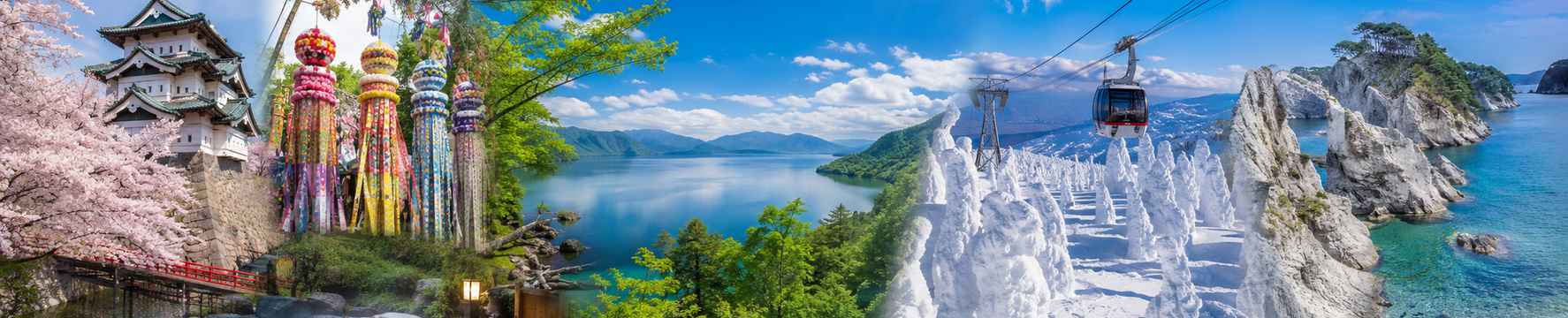
Fukushima ryokans offer a rewarding mix of mountain hot springs, samurai-era history, lakeside scenery, and quiet Tōhoku hospitality. Around Aizuwakamatsu, Higashiyama Onsen and Ashinomaki Onsen suit travelers who want traditional inns near Tsuruga Castle and Aizu culture. Near Fukushima City, Iizaka and Tsuchiyu Onsen are classic hot spring areas with easy access and a relaxed town atmosphere. Inawashiro and the Bandai area are ideal for lake views, nature, skiing in winter, and scenic drives. Choose Fukushima for an unhurried ryokan stay with onsen bathing, regional cuisine, and access to both historic towns and mountain landscapes.
44 ryokan(s) shown out of 44 in this region.
 5.0
2 reviews
5.0
2 reviews
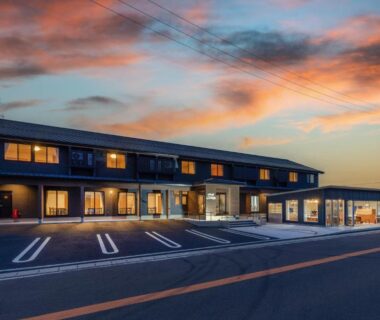
Isamiya, auberge du voyage et de la découverte
This is a distinctive seaside stay in Matsukawaura, Soma, best suited to travelers who value local seafood experiences over luxury ryokan tradit…
 5.0
1 reviews
5.0
1 reviews
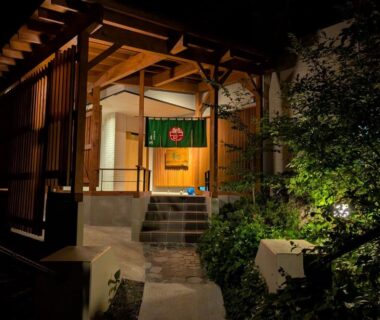
Shinobu Onsen Seishū
Shinobu Onsen Seishu is a very small luxury-style onsen retreat in Fukushima City aimed at travelers who want privacy, quiet nature, and a more…
 4.4
174 reviews
4.4
174 reviews
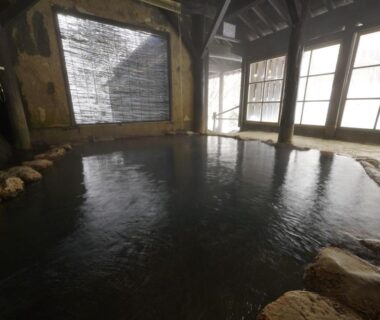
Mori no RyoTei Mount Bandai
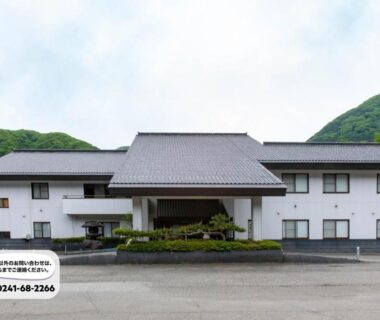
A forest-surrounded onsen ryokan in the Yokomuki Onsen area of Inawashiro, best suited to travelers who want a quiet hot-spring stay rather than…
 -
No overall rating yet
-
No overall rating yet
Tabist Koboshi no Yu Senshintei Aizu Yunokamionsen
A quiet forest-surrounded onsen ryokan in Yunokami Onsen that suits travelers who want a calm stay near Ouchi-juku. It is a stronger choice for…
Top 10 ryokans in Fukushima
Ranking based on overall rating and review volume. Includes this category and its subcategories.
-
🥇 1Seifutei9.1/10 · 203 reviews
-
🥈 2Ookawaso8.9/10 · 791 reviews
-
🥉 3mt. inn(マウントイン)8.9/10 · 237 reviews
-
4Harumiya Ryokan8.9/10 · 193 reviews
-
5Kutsurogijyuku Shintaki9.0/10 · 65 reviews
-
6Sansuiso Tsuchiyu Spa8.9/10 · 105 reviews
-
7Iizaka Onsen Surikamitei Ohtori8.8/10 · 227 reviews
-
8Aizu Higashiyama Onsen “Shosuke no Yado Takinoyu” since18808.7/10 · 3,925 reviews
-
9Kutsurogijuku Chiyotaki8.7/10 · 900 reviews
-
10Kounkaku8.8/10 · 65 reviews
Traveler itineraries including Fukushima
Ryokans from Fukushima appear in 13 public itineraries.
3 days – Fukushima > Wakayama > Nagano
3 stops3 days – Nagano > Fukushima
3 stops4 days – Gunma > Fukushima > Shizuoka > Kyoto
4 stops4 days – Fukushima > Shizuoka > Oita > Wakayama
4 stops4 days – Fukushima > Saga > Gunma > Miyajima
4 stops6 days – Gifu > Fukushima > Oita > Shizuoka
6 stops4 days – Tokyo-to > Fukushima > Yamanashi > Hokkaido
4 stops5 days – Fukushima > Nara > Nagano > Tochigi
5 stops6 days – Shizuoka > Ishikawa > Kumamoto > Fukushima
6 stops5 days – Nagano > Wakayama > Gunma > Tokyo-to
5 stopsBest time to visit Fukushima Prefecture
Spring blossoms and autumn foliage are strongest overall, while winter suits snow scenery, onsen, and Aizu culture.
-
JanuaryMixed6/10WeatherCold winter conditions, especially snowy in Aizu and mountain areas.TemperatureDay 1°C - Night -6°CSnow Cold Mountain Access LimitsGood forGood for snow scenery and onsen.Watch outRural transport can be slower in snow.SeasonAizu winter scenery; few major prefecture-wide events.TipChoose an onsen ryokan with nearby sightseeing, especially in Aizu.Low crowds
-
FebruaryGood7/10WeatherVery cold, with deep snow in western Fukushima and clearer Pacific-side days.TemperatureDay 2°C - Night -5°CSnow Cold Winter RoadsGood forBest month for snowy heritage villages.Watch outSome winter access needs taxis or cars.SeasonOuchi-juku Snow Festival; Aizu Painted Candle Festival.TipBook winter transport carefully around Ouchi-juku and mountain routes.Moderate crowds
-
MarchGood7/10WeatherLate winter to early spring; snow lingers in mountains while lowlands begin warming.TemperatureDay 7°C - Night -1°CCold Mornings Variable Weather Late Snow PossibleGood forQuieter ryokan stays before blossom crowds.Watch outScenery can look bare between seasons.SeasonEarly spring begins; blossoms usually not peak yet.TipBest for lower-cost stays and flexible sightseeing, not peak flowers.Low crowds
-
AprilExcellent10/10WeatherMild spring weather in many lowland areas, with cool mornings and evenings.TemperatureDay 14°C - Night 5°CSpring Bloom Season ComfortableGood forPeak blossom season across famous sites.Watch outPopular flower spots get busy.SeasonMiharu Takizakura and Hanamiyama bloom season.TipReserve early if staying near Miharu, Fukushima City, or Aizu gateways.Busy
-
MayExcellent9/10WeatherPleasant, fresh, and generally comfortable with greener landscapes and less chill.TemperatureDay 19°C - Night 10°CComfortable Fresh GreeneryGood forComfortable weather for varied sightseeing.Watch outGolden Week can raise prices.SeasonFresh greenery, lakes, walks, and scenic drives.TipAvoid early-May holiday dates if you want quieter ryokan rates.Moderate crowds
-
JuneGood7/10WeatherEarly summer with increasing humidity and the start of wetter conditions.TemperatureDay 22°C - Night 15°CHumid Rainy SpellsGood forGreen landscapes and fewer tourists.Watch outRain can limit mountain views.SeasonHydrangeas and early fruit season begin.TipGood for onsen and food-focused stays rather than long outdoor days.Low crowds
-
JulyMixed6/10WeatherWarm to hot, with humid days and occasional heavy rain.TemperatureDay 26°C - Night 20°CHeat Humidity RainGood forFestival season and summer produce.Watch outHeat and humidity can be tiring.SeasonSoma Nomaoi and peach season start.TipBase in cooler upland or onsen areas if sensitive to heat.Moderate crowds
-
AugustMixed6/10WeatherHottest month, often humid, though some upland areas feel cooler.TemperatureDay 28°C - Night 21°CHeat Humidity Peak SummerGood forLively festivals and abundant fruit.Watch outHot days reduce daytime comfort.SeasonFukushima Waraji Festival; peach picking continues.TipPlan early starts and restful ryokan afternoons during hottest days.Busy
-
SeptemberGood7/10WeatherLate summer warmth eases gradually, but rain and typhoon effects remain possible.TemperatureDay 24°C - Night 17°CRain Risk Typhoon Risk Humid Early MonthGood forFewer crowds with fruit season continuing.Watch outWeather can be unsettled.SeasonGrapes, pears, and early autumn color in highlands.TipUseful shoulder month if you keep mountain plans flexible.Low crowds
-
October Current monthExcellent9/10WeatherCooler, clearer autumn weather with comfortable sightseeing conditions.TemperatureDay 17°C - Night 9°CClearer Skies Autumn ColorGood forExcellent weather for foliage drives.Watch outPopular leaf spots get busy weekends.SeasonBandai-Azuma Skyline and Goshikinuma autumn colors.TipIdeal for scenic ryokan itineraries linking Aizu, Bandai, and hot springs.Moderate crowds
-
NovemberExcellent9/10WeatherCrisp late-autumn air; foliage peaks in many lower areas before winter arrives.TemperatureDay 11°C - Night 3°CCrisp Late Foliage Cold NightsGood forStrong foliage with cool onsen weather.Watch outSome high areas turn cold quickly.SeasonLate foliage and harvest season scenery.TipGreat month for mixed culture, food, and onsen trips.Moderate crowds
-
DecemberGood7/10WeatherEarly winter arrives, with snow building in western and mountainous areas.TemperatureDay 4°C - Night -2°CCold Snow Possible Short DaylightGood forAtmospheric winter ryokan stays begin.Watch outShort days and cold roads.SeasonWinter scenery returns; few major seasonal events.TipBest for quiet onsen breaks rather than wide-ranging road trips.Low crowds
How long to stay in Fukushima Prefecture
Fukushima is large, so ideal stay length depends on whether you focus on one area or combine Aizu, central, and coastal zones.
Two nights works for one base such as Aizu or Fukushima City, but 3 to 4 nights is better for a ryokan trip with scenery, food, and cultural stops across multiple areas.
Short stay
2 nightsOne main base with onsen and nearby sightseeing
Best if you focus on Aizuwakamatsu, an onsen town, or Fukushima City fruit and blossom spots.
Choose one sub-area and avoid excessive transfers.
Ideal stay
3 to 4 nightsBalanced first trip across key landscapes
Lets you combine a ryokan stay with Aizu heritage, scenic drives or lakes, and one seasonal highlight.
Best overall choice for most ryokan travelers.
Deeper trip
5 nightsTravelers combining west, central, and coastal Fukushima
Useful if you want Aizu history, mountain scenery, fruit areas, and a festival or rural village.
Best with a car or carefully planned rail and taxi connections.
- Treat Fukushima as a large prefecture with different climates by area.
- Aizu and mountain zones need more transit time than maps suggest.
- Winter travel may require taxis or a car for some rural sights.
- Spring blossoms and autumn foliage can shift by altitude and year.
Fukushima annual events calendar
These are recurring named events and reliable seasonal highlights travelers often plan around in Fukushima Prefecture.
Few major named prefecture-wide events
Across Fukushima Prefecture
Winter onsen, snowy Aizu scenery, and quiet sightseeing dominate rather than major prefecture-wide festivals.
Good for low-key ryokan stays.
January is stronger for winter atmosphere than headline events.
Ouchi-juku Snow Festival
Ouchi-juku, Shimogo
Historic post town illuminated with snow lanterns and winter festival atmosphere.
Excellent for classic snowy Fukushima scenery.
Aizu Painted Candle Festival
Aizuwakamatsu
Snowy castle-town illumination celebrating traditional painted candles.
One of Fukushima's best winter culture events.
February is the clearest winter festival month in Fukushima.
Few major named prefecture-wide events
Across Fukushima Prefecture
Early spring transition month before major blossom season.
Visit for quiet travel rather than festivals.
March timing varies widely by elevation and snowfall.
Miharu Takizakura bloom season
Miharu
Famous ancient weeping cherry tree draws major spring visitors.
A top reason to visit Fukushima in spring.
Hanamiyama spring flower season
Fukushima City
Hillside flower landscapes with cherry blossoms and other spring blooms.
Excellent for blossom-focused itineraries.
Exact bloom timing shifts by year and weather.
Fresh green season
Across Fukushima Prefecture
Best month for scenic drives, lakes, walks, and comfortable ryokan touring.
Ideal for broad sightseeing trips.
May is more about conditions than a single signature festival.
Early fruit season
Fukushima City and orchards
Cherry and early summer fruit season begins in Fukushima's fruit areas.
Good for food-oriented stays.
June is useful for greenery and fruit rather than major festivals.
Soma Nomaoi
Minamisoma and Soma area
Historic samurai horse festival and one of Fukushima's most famous annual events.
Outstanding for culture-focused travelers.
Hange Mid-Summer Festival
Ouchi-juku, Shimogo
Traditional midsummer event in the preserved post town.
Worth noting if already staying in the Aizu area.
July combines major culture with increasing summer heat.
Fukushima Waraji Festival
Fukushima City
Large summer festival centered on giant straw sandals and parade dancing.
Best for lively city atmosphere.
Peach season
Fukushima City orchards
Peak peach picking and fruit-market season in the Fruit Kingdom.
Excellent for food lovers.
August is hot but lively with city festivals and fruit.
Autumn fruit season
Fukushima City and orchard districts
Grapes, pears, and other harvests continue as weather slowly cools.
Good for food-focused shoulder-season travel.
September has fewer headline events but good produce and lighter crowds.
Bandai-Azuma Skyline autumn colors
Fukushima City mountain area
One of Fukushima's signature autumn drives with broad mountain views.
Excellent for scenic road trips.
Goshikinuma and Bandai area foliage
Urabandai
Ponds, lakes, and mountain scenery become major leaf-viewing draws.
Ideal for ryokan and nature itineraries.
October is one of Fukushima's top scenic months.
Late-autumn foliage season
Lower elevations across Fukushima
Autumn color continues in lower areas after highland peaks pass.
Strong month for onsen and scenery.
Best timing varies by sub-region and elevation.
Few major named prefecture-wide events
Across Fukushima Prefecture
Early winter atmosphere returns, especially in Aizu and mountain areas.
Best for quiet seasonal stays.
December is mainly a winter scenery month before peak festival period.
Practical Fukushima Ryokan FAQ
Which ryokan in Fukushima is best for a private onsen stay for couples?
Seifutei is the clearest fit if private bathing is your priority. Its strongest evidence is large in-room open-air baths with natural hot spring water, plus a quiet Inawashiro setting that suits a 1-night retreat. If you want a more traditional small-inn feel closer to Fukushima City, Harumiya Ryokan is the better alternative, but access is less convenient and the overall stay is more about intimate ryokan atmosphere than spacious suites.
Choose Seifutei for bigger in-room bath impact; choose Harumiya Ryokan for a smaller traditional couple retreat.
What is the best Fukushima ryokan for a classic public onsen experience with lots of bath variety?
Sansuiso Tsuchiyu Spa is the strongest match for bath variety. It has multiple public baths and verified private bathing options, plus a larger resort-style setup that gives more range than most small inns. If you prefer a more historic communal onsen culture in Aizu, Kutsurogijyuku Shintaki is the better alternative, but it is more about character and Aizu atmosphere than broad resort facilities.
Pick Sansuiso for the broadest bath lineup; pick Shintaki for historic Aizu bath character.
Which ryokan in Fukushima is best near Tsuruga Castle for Aizuwakamatsu sightseeing?
Tagoto is the most practical choice if Tsuruga Castle and central Aizuwakamatsu sightseeing come first. Its location is in town rather than an onsen district, so you trade big-bath resort atmosphere for easier access to the castle area and other city sights. If you still want an onsen stay with castle sightseeing, Kutsurogijuku Chiyotaki works better, but you will need bus or taxi transfers from the city center.
Stay at Tagoto for town convenience; choose Chiyotaki if you want to return to an onsen after sightseeing.
Which Fukushima ryokan is best near Goshikinuma Ponds and Lake Inawashiro?
Seifutei is the most useful ryokan base if you want to pair an onsen stay with Goshikinuma Ponds and Lake Inawashiro. Its access notes and strengths point to sightseeing around the Bandai and Inawashiro area, while the private bath focus makes the return to the ryokan rewarding. Kyukamura Ura-Bandai is the better alternative if nature access matters more than private baths, but it feels more like a highland resort than a traditional ryokan.
Choose Seifutei for private-bath luxury after sightseeing; choose Kyukamura Ura-Bandai for a more nature-first stay.
What is the best Fukushima ryokan for Aizu food and kaiseki dining?
Konjakutei is the strongest food-led choice. It is explicitly positioned as a cuisine-focused ryokan, with seasonal Aizu kaiseki, private dining, and limited-season riverside dining that gives the meal real booking value. If you want a more rustic, nostalgic food experience, Irorinoyado Ashina is the better alternative because its irori hearth dining is especially memorable, though the inn is smaller and less polished overall.
Pick Konjakutei for refined kaiseki emphasis; pick Ashina for old-style irori atmosphere.
Which Fukushima ryokan is easiest without a car or complicated transfers?
Eirakukan is one of the easiest choices for a true onsen stay without needing much transport planning because Bandai-Atami Station is close and rail access via Koriyama is straightforward. If you want easy access from Fukushima Station instead, Sansuiso Tsuchiyu Spa is a good alternative thanks to its reservation-only station shuttle, but the final timing is less flexible than Eirakukan’s rail convenience.
Choose Eirakukan for simpler rail logistics; choose Sansuiso if you want a bigger bath resort and can plan shuttle timing.
Which Fukushima ryokan is best for families with kids?
Spa Resort Hawaiians Monolith Tower is the clearest family choice if children want pools, large baths, and indoor entertainment in one place. It is less of a traditional ryokan and more of a resort hotel, but that is exactly why it works for family trips. If you want a family stay with a more conventional onsen-hotel feel, Marumine Kanko Hotel is the better alternative, though it is quieter and far less entertainment-focused.
Go with Monolith Tower for resort fun; choose Marumine Kanko Hotel for a calmer family onsen stay.
Which Fukushima ryokan is best for a luxury or special-occasion stay?
Premium Suites Hanare Matsushimakaku is the strongest special-occasion pick where the data supports oversized suite-style comfort and a more exclusive Higashiyama Onsen stay. The tradeoff is that the available detail is partly incomplete in the source fields, so exact room-by-room distinctions are less clear than for some other properties. If you want a more confirmed scenic luxury feel, Seifutei is the safer alternative for private-bath impact.
Choose Hanare Matsushimakaku for premium suite atmosphere; choose Seifutei for more clearly evidenced private-bath luxury.
What is the best budget-friendly ryokan in Fukushima for value rather than luxury?
mt. inn is the best fit for value-minded travelers who still want a real onsen stay. Its strengths point to practical room types, useful shared facilities, and good value in Dake Onsen, especially for active travelers heading to Mt. Adatara. If you want a larger full-service property with easier traditional ryokan comfort, Azumakan is the alternative, but it feels more like a sizeable onsen hotel than a simple value stay.
Pick mt. inn for practical value and outdoor focus; choose Azumakan for a fuller-service stay at a usually moderate level.
Which Fukushima ryokan is best for a quiet countryside onsen retreat away from busy towns?
Ryokan Tamagoyu is the clearest choice if you want an old-school mountain onsen escape rather than a town stay. Its evidence strongly supports sulfur-rich baths, historic bath culture, and a secluded Takayu setting above Fukushima City. If you want an even more remote rural feel, Kashiwaya Ryokan is a good alternative, but access is harder and the area is much thinner for anything beyond staying in and soaking.
Choose Tamagoyu for a classic mountain onsen with easier access; choose Kashiwaya for a deeper rural escape.